
The scent of acrylic paint and the rhythmic squish of slime filled The Painted Penguin in Vernon Hills this past Sunday, but the laughter wasn’t just about glitter and crafts. It was a sound fueled by purpose, a collective effort to deliver a little bit of normalcy – and a lot of distraction – to kids facing unimaginable battles. Bobby Kesselman, the Emmy Award-winning voice actor best known as the stunt voice for characters on “Family Guy,” wasn’t signing autographs or cracking jokes; he was overseeing a fundraiser for his nonprofit, the Hope Always Foundation, a mission born from the heartbreaking loss of his sister, Becca, to cancer. It’s a story that, on the surface, feels like a celebrity using their platform for good. But dig a little deeper, and it reveals a growing tension within pediatric healthcare: how do we protect childhood during childhood, even when childhood is happening within hospital walls?
A Sister’s Legacy, Reimagined for a Digital Age
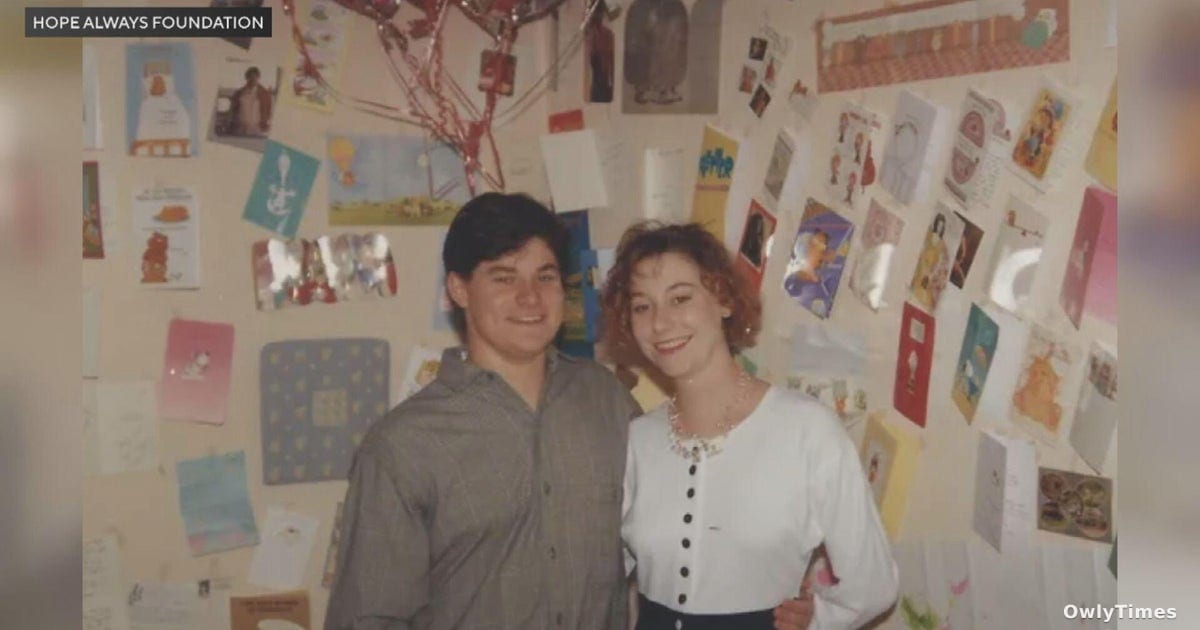
Kesselman’s story isn’t simply about grief turned to philanthropy. It’s about a gap in care that existed even twenty years ago, and one that’s arguably widened in the age of constant connectivity. When Becca was diagnosed, teen cancer support groups were virtually nonexistent. She started one in her living room, a testament to her courage and a clear signal that young patients need spaces – and connections – tailored to their specific experiences. Now, Kesselman is addressing a different kind of isolation, one born not from a lack of peer support, but from the overwhelming, often harmful, digital landscape. The Hope Always Foundation’s core offering, the “Warrior Tablet,” isn’t just another entertainment device; it’s a carefully curated digital sanctuary.
Original reporting: CBS News.
The foundation is currently focused on delivering these tablets to hospitals like Rush University Medical Center and Stroger Hospital of Cook County, institutions that, according to a 2024 report by the National Pediatric Cancer Foundation, are seeing a 15% increase in patients requiring extended stays due to the complexity of treatment protocols. This means more time spent within the confines of a hospital, and a greater need for engaging, safe distractions. What sets the Warrior Tablet apart is what it doesn’t have: no search engines, no YouTube, no social media. In a world where children are increasingly exposed to online predators, cyberbullying, and unrealistic portrayals of life, this deliberate exclusion is a radical act of protection. Kesselman emphasizes the “peace of mind” this offers parents already navigating an emotional “roller coaster,” but it also speaks to a broader societal anxiety about the impact of technology on young minds.
Beyond Entertainment: The Power of Controlled Content
The content on the Warrior Tablets is equally deliberate. It’s a mix of video books, educational programs, movies, and relaxation tools, all chosen to provide both stimulation and solace. This isn’t about mindless scrolling; it’s about providing a positive, controlled digital experience. Kesselman points to research indicating that stress and anxiety are highest in pediatric patients immediately before surgery or intensive care. The tablets are designed to be a buffer, a way to “relax and enjoy themselves” during those critical moments. But the implications extend beyond immediate comfort.
Consider the rise of “gamification” in healthcare, where elements of game design are used to encourage positive behaviors. The Warrior Tablet, while not a game console, utilizes a similar principle: offering engaging content as a reward, a distraction, and a source of empowerment. This approach is gaining traction, with a 2025 study published in Pediatric Oncology Nursing showing that patients who engaged in digitally-delivered distraction therapy reported a 20% reduction in perceived pain levels. The Hope Always Foundation isn’t just providing entertainment; it’s contributing to a growing body of evidence supporting the therapeutic potential of carefully curated digital content.
The Shifting Landscape of Pediatric Care
The success of the Hope Always Foundation’s fundraising events – a painting party and a pickleball tournament – highlights a crucial point: the public is hungry for solutions that address the holistic needs of sick children. Donations are up 30% compared to similar pediatric fundraisers in the region last year, suggesting a growing awareness of the importance of mental and emotional wellbeing alongside medical treatment. But this also raises a question: why is it often left to nonprofits, fueled by personal tragedy and individual initiative, to fill these gaps in care?
Hospitals are increasingly stretched thin, facing staffing shortages and budgetary constraints. While many institutions offer child life programs and recreational activities, the resources are often limited. The Warrior Tablet model offers a potentially scalable solution, a way to provide consistent, high-quality entertainment and distraction to a large number of patients. However, widespread adoption will require collaboration between foundations like Hope Always, healthcare providers, and technology companies. The question isn’t just whether we can provide safe and engaging digital experiences for sick children, but whether we will prioritize it as an essential component of their care. Will hospitals begin to budget for these kinds of curated digital resources, or will it remain the domain of charitable giving? The answer will define not only the future of pediatric care, but also our collective understanding of what it means to protect childhood in a hyper-connected world.