
$1,000 and a Fair: Richmond Investors Bet on 11-Year-Old Entrepreneurs
The average venture capital investment in a Virginia-based startup last year clocked in at $3.2 million, according to PitchBook data. But last Wednesday, a different kind of investment took place at Independence Golf Club in Midlothian: a collective $1,000 commitment – and a promise of real-world implementation – directed towards five teams of sixth-grade entrepreneurs from Henrico County Public Schools. This isn’t simply a feel-good story about youthful innovation; it’s a calculated bet on the future of localized economic development, and a revealing case study in how established businesses are re-evaluating their engagement with the next generation of consumers.
This article draws on reporting from richmondbizsense.com.
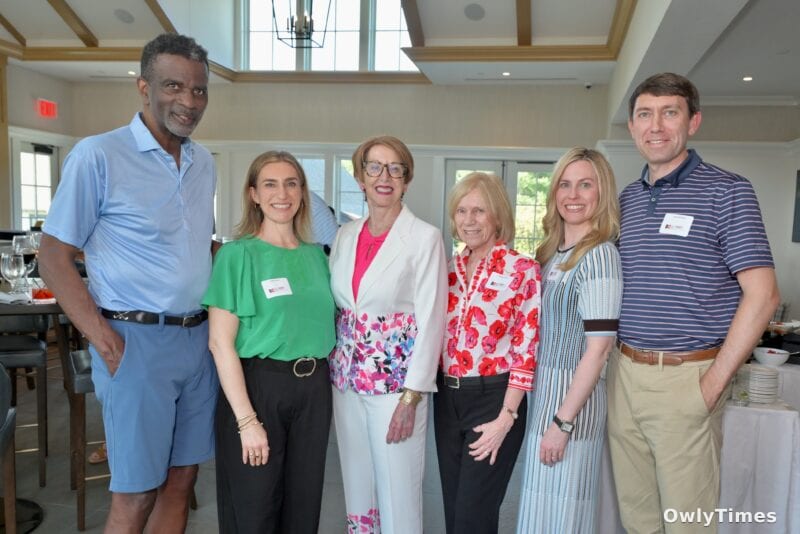
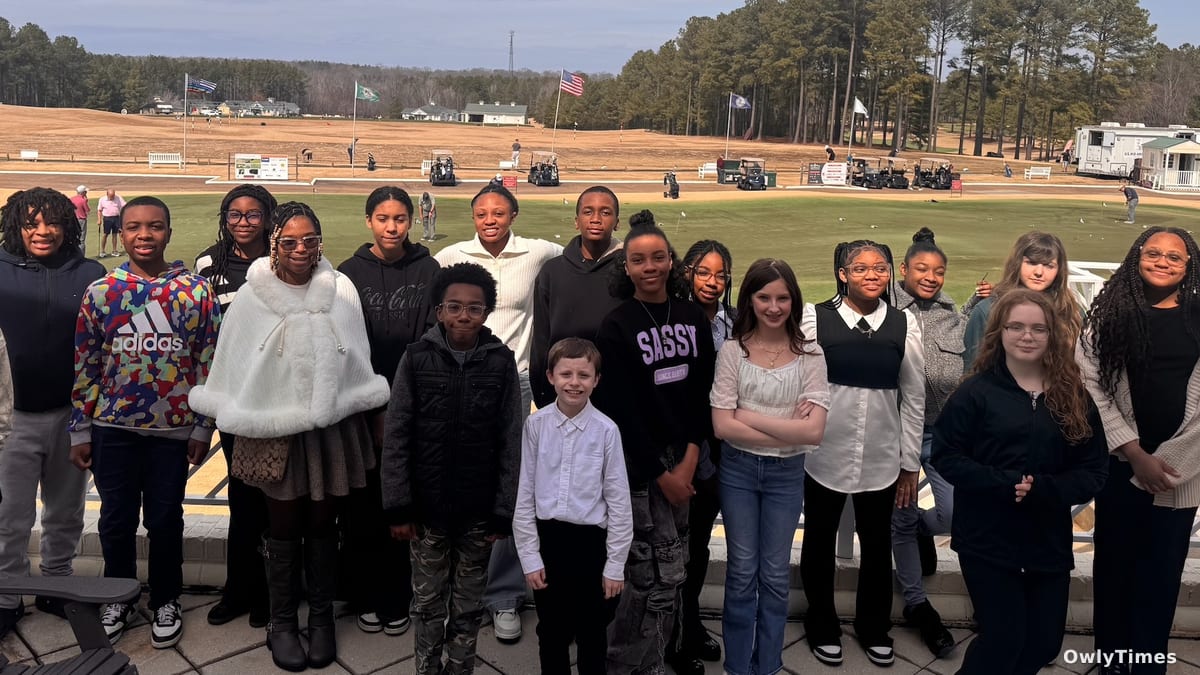
The unusual “Shark Tank”-style pitch competition, conceived by Independence Golf Club co-owner Giff Breed and HCPS educational specialist Robbi Moose, saw 20 students from John Rolfe and Fairfield Middle Schools present business concepts tailored to the golf course. Ideas ranged from a “Treat Trolley” delivering snacks to golfers to a “Serenity on the Green” spa day concept aimed at attracting families. While the individual pitches may have lacked the polish of seasoned entrepreneurs, the underlying principle – identifying unmet needs and proposing solutions – resonated with the panel of investors, which included figures like Steve Melhorn of Melhorn & Melhorn, Rob Hargett of Rebkee, Wally Barden of Morrison Grove, and John Jung of Craigie Sports.
Follow the money: the $1,000 investment isn’t about immediate ROI. It’s a strategic allocation of resources designed to foster a long-term relationship between Independence Golf Club and a potential pipeline of future customers – and, crucially, future innovators. The golf course, like many in the leisure industry, faces the ongoing challenge of attracting a younger demographic. The average age of a golfer in the US is 58, according to the National Golf Foundation. By actively soliciting ideas from that demographic, Independence is attempting to circumvent traditional marketing strategies and build organic engagement. The decision to fund all five projects, rather than selecting a single winner, underscores this commitment to broad-based appeal.
The genesis of this initiative lies in HCPS’ newly established Center for Innovation, a STEM- and business-focused program currently serving 150 students selected via lottery. This is a critical detail. Unlike specialized magnet schools, the Center for Innovation is designed to be accessible to students across all academic levels. Robbi Moose explicitly stated the program’s focus isn’t on test scores, but on “highlighting what kids are able to do.” This approach challenges the conventional wisdom that innovation is solely the domain of high-achieving students, and suggests a broader democratization of entrepreneurial thinking. The program’s planned expansion to Quioccasin Middle School in 2026-27 further solidifies HCPS’ commitment to scaling this model.
The impact extends beyond the golf course itself. Megan Parsley, coordinator for the Center for Innovation, noted that the pitch competition sparked engagement from students who typically don’t participate actively in classroom activities. This suggests the program’s hands-on, real-world application is a powerful motivator, potentially addressing a systemic issue of student disengagement. The students’ enthusiasm – exemplified by sixth-grader Arriyah Jackson’s statement, “We made it for kids” – highlights the importance of peer-to-peer market research and the value of understanding the needs of one’s target audience.
What this means for your wallet: the Independence Golf Club’s experiment isn’t just about golf. It’s a microcosm of a larger trend: businesses increasingly recognizing the value of investing in local talent and fostering a culture of innovation from a young age. Expect to see more partnerships between schools and businesses, not as philanthropic gestures, but as strategic investments in future growth. The question now is whether other businesses will follow suit, and whether this model can be replicated in other sectors. Will we see a surge in similar programs, and more importantly, will these early investments translate into a demonstrable economic impact for the Richmond region? Investors – and consumers – should be watching closely to see if this unconventional approach yields a hole-in-one for the local economy.