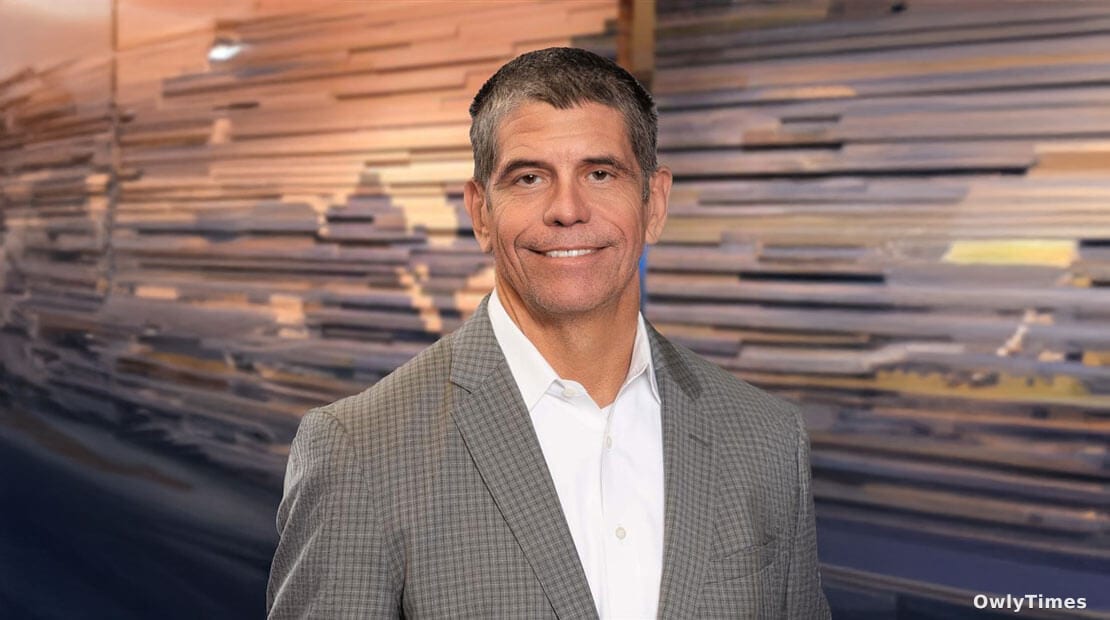

Is your bacon about to get a software update? That’s not a joke, and the appointment of Donald Monk as Hormel Foods’ first-ever Chief Technology Officer signals a quiet revolution brewing in the food industry. The real story here isn't just about a new executive – it’s about the creeping realization that even companies built on generations of tradition are now fundamentally technology companies, whether they like it or not. We’re past the point where tech is just about streamlining logistics; it’s about reshaping what food is and how it gets to your plate.
From Cereal Boxes to Sausage Casings: The Rise of the Food Tech Officer
Hormel Foods, a $30 billion behemoth responsible for brands like Spam, Jennie-O turkey, and Skippy peanut butter, isn’t exactly known for Silicon Valley swagger. But the creation of this CTO role, filled by a veteran of General Mills and Cargill, suggests a serious shift in priorities. John Ghingo, president of Hormel Foods, lauded Monk’s ability to “transform large, global organizations and build modern digital capabilities.” That’s corporate-speak for “we need someone to drag us, kicking and screaming, into the 21st century.” For context, Hormel’s digital investments have historically lagged behind consumer packaged goods peers, hovering around 2% of revenue in 2023, compared to an industry average of 3.5%. This appointment is a clear signal they intend to close that gap.
This article draws on reporting from hormelfoods.com.
The move isn’t isolated. Across the food sector, companies are scrambling to understand how data analytics, AI, and supply chain optimization can impact everything from predicting consumer tastes to minimizing food waste. It’s a far cry from the days when a good marketing campaign and a catchy jingle were enough. Now, understanding algorithms is as crucial as understanding flavor profiles. Monk’s 35 years of experience, including a stint as CIO at General Mills, positions him to navigate this complex landscape. He didn’t just manage IT departments; he oversaw the integration of technology into the core business strategy.
Beyond the Supply Chain: The Data Hidden in Your Grocery Cart
What does this mean for the average shopper? It’s not about robots delivering your groceries (though that’s coming, too). It’s about a more personalized, efficient, and potentially more expensive food system. Monk’s experience at Cargill, where he focused on “strategy, governance and transformation for the company’s digital technology and data organization,” is particularly telling. Cargill isn’t selling directly to consumers; they’re a massive agricultural commodity trader. Their interest in data isn’t about targeted ads; it’s about optimizing crop yields, predicting market fluctuations, and controlling costs.
That same data-driven approach will inevitably trickle down to consumer brands. Expect to see more dynamic pricing based on demand, hyper-targeted promotions based on your purchase history, and potentially even customized food products tailored to your dietary needs (and willingness to pay a premium). The promise is convenience and personalization, but the risk is a system where your grocery bill is determined by an algorithm, not your budget. The question becomes: who controls that algorithm, and what are their priorities?
The AI Ingredient: What’s Next for Hormel?
Monk’s background in AI is particularly noteworthy. His work at Cargill involved leveraging AI for analytics and governance, suggesting he understands the potential – and the pitfalls – of this technology. Hormel isn’t likely to announce an AI-powered Spam recipe anytime soon, but expect to see AI quietly integrated into various aspects of the business. This could include optimizing production schedules to reduce waste, predicting equipment failures to minimize downtime, and even developing new product formulations based on consumer data.
The real test will be whether Hormel can translate these technological investments into tangible benefits for consumers. Simply throwing money at AI won’t guarantee success. It requires a fundamental shift in mindset, a willingness to experiment, and a commitment to transparency. My prediction? Within the next 18 months, Hormel will launch a pilot program utilizing AI-powered demand forecasting in a specific region, aiming to reduce food waste by at least 15%. Watch for that – it will be a bellwether for the future of food, and a clear indication of whether this CTO appointment was just a tech upgrade, or a genuine transformation.