
Is Silicon Valley finally learning that money can’t buy influence – or at least, not in the way they thought it could? The recent Illinois primaries delivered a stinging rebuke to the artificial intelligence and cryptocurrency industries, who poured millions into the races hoping to install friendly faces in key positions. The real story here isn't about a failed attempt to “reshape the midterms,” it’s about a fundamental miscalculation of how American voters perceive these industries and the tactics they employ. It’s a lesson in the limits of stealth campaigning and the enduring power of, well, actually talking about what you want.
The Illusion of Political Neutrality
For years, tech companies have attempted to navigate the political landscape with a carefully cultivated image of neutrality. They donate to both sides, lobby quietly, and generally avoid taking strong public stances on issues that might alienate their user base. But the AI and crypto sectors, flush with recent capital and facing increasing regulatory scrutiny, decided to try a different approach: massive, yet deliberately opaque, spending through super PACs. The strategy, mirroring tactics employed by groups like the American Israel Public Affairs Committee (AIPAC), involved focusing on broad themes like opposing Donald Trump and supporting “liberal policies” – a thin veil over their core interest in avoiding regulation. This wasn’t about championing a vision for the future; it was about preventing a future they didn’t like.
Original reporting: PBS.
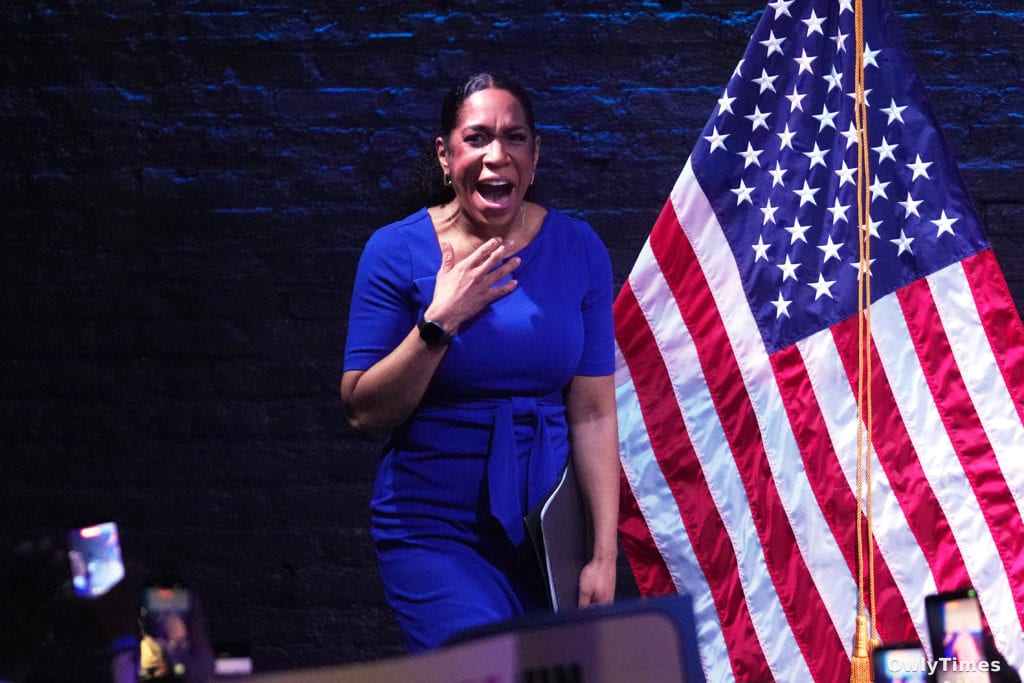
The numbers are stark. Fairshake, a crypto-backed political action committee, dropped over $10 million attempting to defeat Juliana Stratton, who ultimately secured the Democratic nomination for Dick Durbin’s Senate seat. That’s a staggering sum for a single primary race, exceeding the total spending in many congressional contests. Yet, despite the financial firepower, Stratton won. And she wasn’t the only candidate favored by these industries to fall short. The pattern suggests that voters weren’t swayed by the vague promises of anti-Trumpism, and perhaps even resented the attempt to manipulate them with untraceable funds.
Why Illinois Became the Battleground
Illinois proved to be an unusually fertile ground for this tech-fueled intervention. The state’s Democratic primaries featured a rare abundance of open seats, creating competitive races where even a relatively small influx of money could have a significant impact. This created a perceived opportunity for the AI and crypto industries to test their strategies and establish a foothold in a state with a large and diverse electorate. However, the competitive nature of the races also meant that voters were more engaged and more likely to scrutinize the source of campaign funding. The attempt to hide behind broad political messaging backfired, as it only served to raise suspicions about the true motives of the donors.
The fact that these industries chose to operate through super PACs, which aren’t subject to the same disclosure requirements as direct contributions to candidates, only amplified the perception of secrecy and manipulation. While perfectly legal, this tactic demonstrates a profound disconnect from the values of transparency and accountability that many voters claim to prioritize. It’s a classic Silicon Valley move: assume technical cleverness equates to political savvy.
The Limits of Stealth and the Rise of Techlash
This isn’t simply a story about a failed campaign; it’s a symptom of a growing “techlash.” For years, the tech industry enjoyed a largely uncritical embrace from the public and policymakers. But that honeymoon is over. Concerns about data privacy, algorithmic bias, market dominance, and the societal impact of AI are now mainstream. Voters are increasingly aware of the potential downsides of these technologies and are less willing to accept vague promises from companies that have often prioritized profit over people.
The $10 million spent by Fairshake against Stratton didn’t just fail to achieve its intended outcome; it arguably strengthened her position. By framing the race as a battle between a grassroots candidate and shadowy corporate interests, the opposition effectively mobilized voters against the tech industry’s intervention. This is a crucial lesson for Silicon Valley: simply throwing money at a problem won’t solve it, especially when that money is perceived as an attempt to subvert the democratic process.
What happens next? Expect a recalibration, but not necessarily a retreat. The AI and crypto industries aren’t going to stop trying to influence policy. Instead, they’ll likely shift their tactics, focusing on more direct engagement with voters and a more transparent articulation of their interests. The question is whether they can convince the public that their vision for the future is one worth embracing – or if they’ll continue to be seen as self-serving actors trying to protect their bottom line at the expense of the common good. Watch closely for the first major tech-backed candidate to explicitly run on a platform of innovation and deregulation. That will be the true test of whether Silicon Valley has learned anything from the Illinois debacle.





