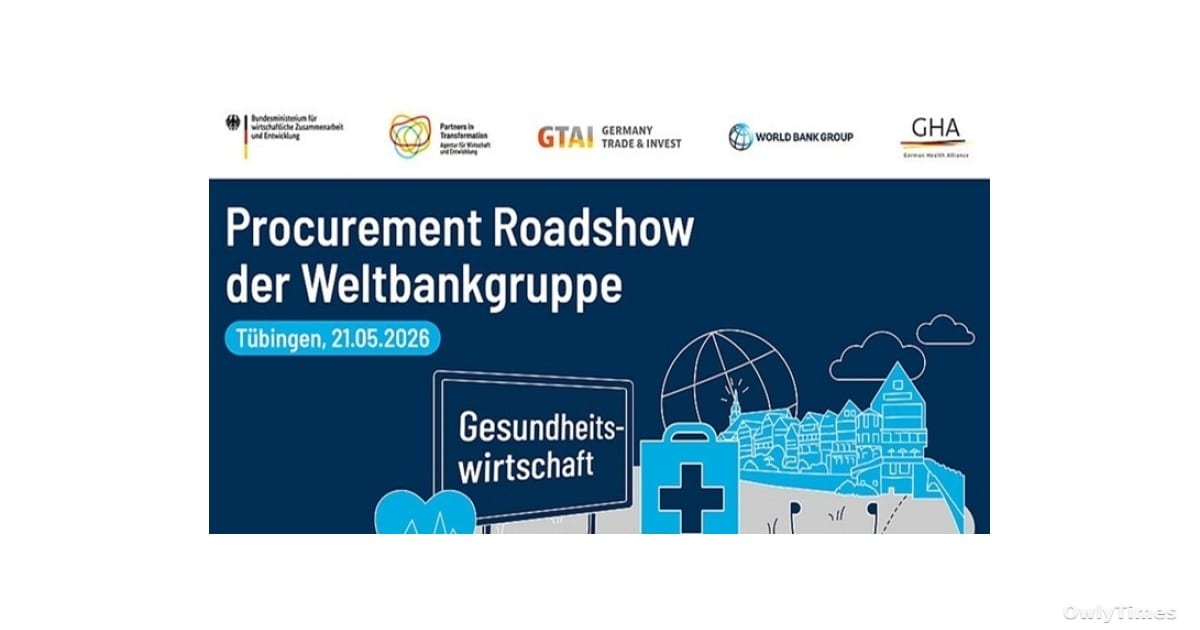

The narrative around global development often focuses on aid as a one-way street, but a quietly significant current flows in the opposite direction: procurement. The World Bank Group (WBG), with its annual USD 11 billion in international procurement, isn’t simply distributing funds; it’s a massive purchaser of goods and services, and increasingly, that purchasing power represents a strategic opportunity for specialized industries like Germany’s health technology sector. While headlines often highlight the need for development, less attention is paid to who benefits from the process of fulfilling that need, and how those benefits are shifting with recent reforms. A roundtable event planned for May 21, 2026, in Tübingen signals a deliberate effort to connect German innovation directly with the WBG’s evolving procurement strategies.
A Shift in Priorities: Quality Over Lowest Bid
For years, international procurement, including that of the WBG, has been heavily weighted towards the lowest possible price. This created a challenging landscape for German companies, known for their engineering precision and high-quality standards, but often priced above competitors focused solely on cost. The WBG’s recent reforms, however, represent a notable departure from this model. The organization is now placing a “stronger emphasis on quality criteria,” a change that directly addresses a long-standing concern of German exporters. This isn’t simply a matter of preference; the WBG recognizes that cheaper isn’t always better, particularly in the health sector where durable, reliable equipment and sustainable solutions are critical for long-term impact. The expansion of “market dialogue prior to tenders” is equally important, allowing companies to shape the specifications of projects based on their expertise, rather than simply reacting to pre-defined requirements.
Reporting from worldbank.org informs this analysis.
Direct Engagement: The Tübingen Roundtable
The roundtable, hosted at Erbe Elektromedizintechnik GmbH in Tübingen on May 21, 2026, from 10:00 am to 12:30 pm, is designed to capitalize on this shift. It’s not a general trade fair, but a focused opportunity for German companies to engage directly with the WBG health program director and procurement experts. The agenda, as outlined by organizers, centers on practical guidance: how to navigate the tender process, understand specific requirements, and identify emerging market opportunities. This level of access is crucial. While WBG procurement information is publicly available, interpreting those guidelines and anticipating future needs requires insider knowledge. The event also provides a platform for German companies to present their innovations and receive direct feedback from the WBG, potentially influencing the design of future projects. The event will be conducted in English, reflecting the WBG’s international scope.
Health Sector Focus: Why Germany Stands to Gain
The health sector is particularly significant for German providers within WBG-funded projects. Germany consistently ranks among the top exporters of medical technology globally, with exports totaling EUR 33.4 billion in 2023, a 3.4% increase from the previous year. This expertise aligns perfectly with the WBG’s increasing focus on strengthening health systems in developing countries. Projects range from equipping hospitals with advanced diagnostic equipment to implementing digital health solutions and improving supply chain management for essential medicines. The WBG’s commitment to sustainable solutions also favors German companies, who are often at the forefront of developing environmentally friendly and energy-efficient technologies. The Agency for Business and Economic Development (AWE), the German Health Alliance, and the WBG’s Berlin Office, the co-organizers of the roundtable, clearly recognize this synergy and are actively working to facilitate it.
Limitations to Consider: Navigating Bureaucracy and Competition
While the WBG’s reforms are promising, several limitations remain. The shift towards quality-based procurement doesn’t eliminate price considerations entirely. German companies will still need to demonstrate value for money and compete effectively on factors beyond just technical specifications. Furthermore, the WBG’s procurement processes are notoriously complex and bureaucratic, requiring significant time and resources to navigate successfully. Smaller and medium-sized enterprises (SMEs), which constitute the backbone of Germany’s health technology sector, may face particular challenges in meeting the administrative demands. Finally, German companies will continue to face competition from firms in other countries, including China and India, who are aggressively expanding their presence in the global health market.
Beyond Tübingen: The Future of WBG Procurement
The May 2026 roundtable isn’t an end in itself, but a step in an ongoing process. The crucial next step will be to assess the impact of the WBG’s reforms on actual procurement outcomes. Will the increased emphasis on quality translate into a greater share of contracts awarded to German companies? Will the expanded market dialogue genuinely lead to more innovative and effective projects? Perhaps more importantly, will these changes be sustained under different political administrations and economic conditions? Companies attending the Tübingen event should be prepared to not only present their capabilities but also to provide feedback to the WBG on the effectiveness of the new procurement system. The question for German manufacturers isn’t simply whether they can win WBG contracts, but whether they can help shape a global procurement model that prioritizes quality, sustainability, and long-term impact.