
A Shift in Momentum: Indiana’s Grassroots Response to a Mental Health System Under Strain
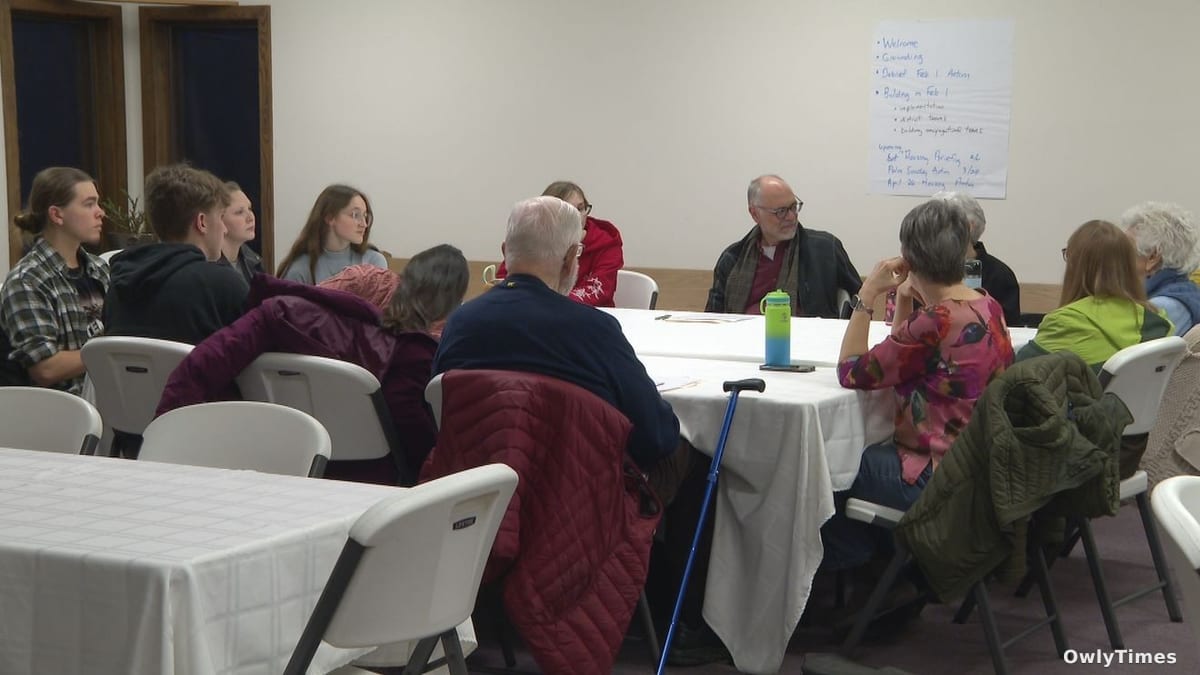
The question facing Indiana communities isn’t simply whether to address a growing mental health crisis, but how to rapidly translate public acknowledgement of the problem into tangible improvements in a system demonstrably failing its citizens. While headlines often focus on funding requests and political commitments – and this week is no different – the more compelling story unfolding in cities like Mishawaka is the burgeoning capacity of citizen-led organizations to not only demand change, but to actively shape the solutions. On Thursday, “We Make Indiana” convened to strategize next steps, a meeting fueled by a recent surge in public engagement that suggests a critical turning point in how the state approaches mental healthcare. This isn’t about waiting for top-down solutions; it’s about a groundswell of individuals recognizing the urgency and taking ownership of the response.
Beyond Declarations: The Demand for Systemic Change
“We Make Indiana’s” recent call to action wasn’t a vague plea for more resources. The organization specifically targeted “systems in care that put lives at risk,” a pointed critique that prompted public commitments from local officials to pursue funding and offer leadership. However, the crucial distinction lies between acknowledging a problem and dismantling the structures that perpetuate it. The organization’s initial statement, and the subsequent response, highlight a tension common in public health crises: the gap between rhetoric and reform. While commitments to funding are essential, the focus on identifying and removing harmful “systems in care” suggests a deeper, more nuanced understanding of the problem – one that recognizes that simply throwing money at the issue won’t suffice. The specifics of these “systems” remain largely undefined in public statements, which is a point of concern, but the very act of naming them as a core issue represents a significant shift in the conversation.
This article draws on reporting from wsbt.com.
The Power of Reconnection: Visibility and Community Building
The meeting’s attendees, comprised of faith and community members alongside younger advocates, underscored a key element often overlooked in discussions of mental health: the importance of social connection. Participants emphasized that a valuable outcome of recent discussions has been “creating a connection between people and gaining visibility for the mental health system.” This isn’t merely about raising awareness; it’s about actively combating the isolation and stigma that prevent individuals from seeking help. The current system, often characterized by long wait times, fragmented care, and a lack of culturally competent providers, actively discourages engagement. By fostering local connections and increasing visibility, organizations like “We Make Indiana” are attempting to build a parallel network of support – one that can bridge the gaps left by the formal system.
A Student’s Perspective: Hope and Increased Involvement
The palpable sense of optimism following the officials’ response was particularly striking, as articulated by Addison Singleton, a junior at Penn High School. “It was really wonderful to see this response of people, not maybe realizing that something like this could happen, that this many people could get together, that this many people could be galvanized around this shared goal,” Singleton stated. “It's really nice to see the hope that came back to people and the realization that they could do more, get more involved.” This observation is crucial. The involvement of young people, often the most vocal advocates for mental health support, signals a potential for sustained engagement and a demand for solutions that reflect their lived experiences. However, it’s important to note that hope, while vital, is not a strategy. The challenge now is to channel this energy into concrete action and hold officials accountable for their commitments.
Looking Ahead: Tracking Accountability and Defining “Systems in Care”
The next six months will be critical. While the initial response from public officials is encouraging, the true measure of success will be the specific actions taken to address the identified “systems in care.” What concrete steps will be taken to dismantle these structures? What metrics will be used to assess progress? And, crucially, how will the community be involved in the decision-making process? The lack of specificity surrounding these “systems” is a significant limitation to consider. Without a clear definition, it’s difficult to assess the effectiveness of any proposed solutions. Furthermore, the long-term sustainability of this grassroots momentum remains uncertain. Will this surge in engagement translate into sustained advocacy, or will it fade as the initial urgency subsides? Watch for the release of “We Make Indiana’s” detailed action plan – expected in early March – and, more importantly, track whether the organization’s demands are met with substantive policy changes or remain simply as public declarations. The question isn’t just whether Indiana wants to improve its mental health system, but whether it will empower its citizens to build one that truly works.





