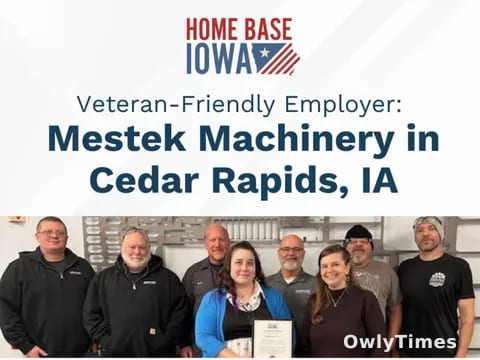

Is Iowa quietly becoming the next battleground – not for military conflict, but for the war for talent? Everyone’s talking about the skills gap, the looming retirement wave, and the desperate need for qualified workers. But the real story here isn’t just filling open positions – it’s recognizing that a readily available, highly-trained workforce is already looking for a place to land, and Home Base Iowa (HBI) is attempting to make the Hawkeye State that place. It’s a surprisingly pragmatic approach, and one that cuts through the usual Silicon Valley-fueled hype about “disruptive” workforce solutions.
Beyond Patriotism: The Business Case for Veteran Hiring
The messaging around HBI is understandably steeped in support for Veterans and their families, and that’s commendable. But let’s be clear: this isn’t purely altruism. Iowa is facing the same labor shortages as everyone else, particularly in skilled trades and manufacturing. According to the Iowa Workforce Development, the state’s unemployment rate hovered around 2.8% in late 2023, meaning employers are competing for a shrinking pool of available workers. Veterans, with their documented discipline, leadership skills, and often specialized training, represent a significant untapped resource. HBI isn’t just offering a feel-good program; it’s offering a strategic advantage.
This article draws on reporting from workforce.iowa.gov.
The program’s benefits are surprisingly robust. Beyond the “Certificate of Designation” – essentially a “Veteran Ready” sticker for your business – HBI provides access to dedicated career planners, invitations to the Iowa Veterans Employer Coalition, and priority access to hiring events. This isn’t just posting a job on a board and hoping for the best. It’s a curated pipeline, actively connecting employers with qualified candidates. The integration with IowaWORKS, the state’s job bank, and the IowaWORKS for Veterans portal, is particularly smart, leveraging existing infrastructure to maximize reach. Businesses can actively search resumes, set up alerts, and tap into a network specifically geared towards Veteran employment.
Navigating the SkillBridge Program and Long-Term Strategy
What’s particularly forward-thinking is HBI’s focus on the Department of Defense SkillBridge program. This allows service members to participate in civilian job training during their last six months of service, essentially providing employers with a prolonged, risk-free “interview” period. HBI isn’t just helping companies find Veterans; it’s helping them develop them, creating a long-term recruiting strategy that goes beyond simply filling immediate vacancies. This is a crucial distinction. Too often, Veteran-focused initiatives are short-term fixes, lacking the infrastructure for sustained engagement and retention.
The program’s onboarding process – a recruiting account at IowaWORKSforVeterans, followed by an online class – is designed to be accessible, even for smaller businesses lacking dedicated HR departments. This is vital. While large corporations can afford to invest heavily in recruitment, the backbone of Iowa’s economy is comprised of small and medium-sized enterprises. Making HBI accessible to these businesses ensures broader participation and a more impactful outcome. The quarterly check-ins with employers, promised by HBI, are also a smart move, providing ongoing support and addressing potential challenges.
The Catch: Will Iowa Deliver on the Promise?
Despite the promising framework, a critical question remains: can Iowa actually deliver on the lifestyle promises that will attract Veterans and their families? A job is only one piece of the puzzle. Affordable housing, quality schools, and a strong sense of community are equally important. While Iowa scores well on affordability, it’s still grappling with issues like rural healthcare access and attracting younger generations. HBI can bring Veterans to Iowa, but the state itself needs to ensure they have a reason to stay.
The success of HBI will ultimately be measured not just by the number of businesses certified or jobs filled, but by the long-term retention rate of Veteran employees and the overall impact on Iowa’s economic vitality. Look for a surge in HBI-certified businesses in the next 12-18 months, particularly in sectors like advanced manufacturing and renewable energy. But more importantly, watch for data on Veteran relocation rates and, crucially, whether those Veterans are staying in Iowa for the long haul. If Iowa can successfully integrate this skilled workforce and address the broader quality-of-life concerns, it won’t just be a good place for Veterans – it will be a model for states across the country facing the same talent crunch.