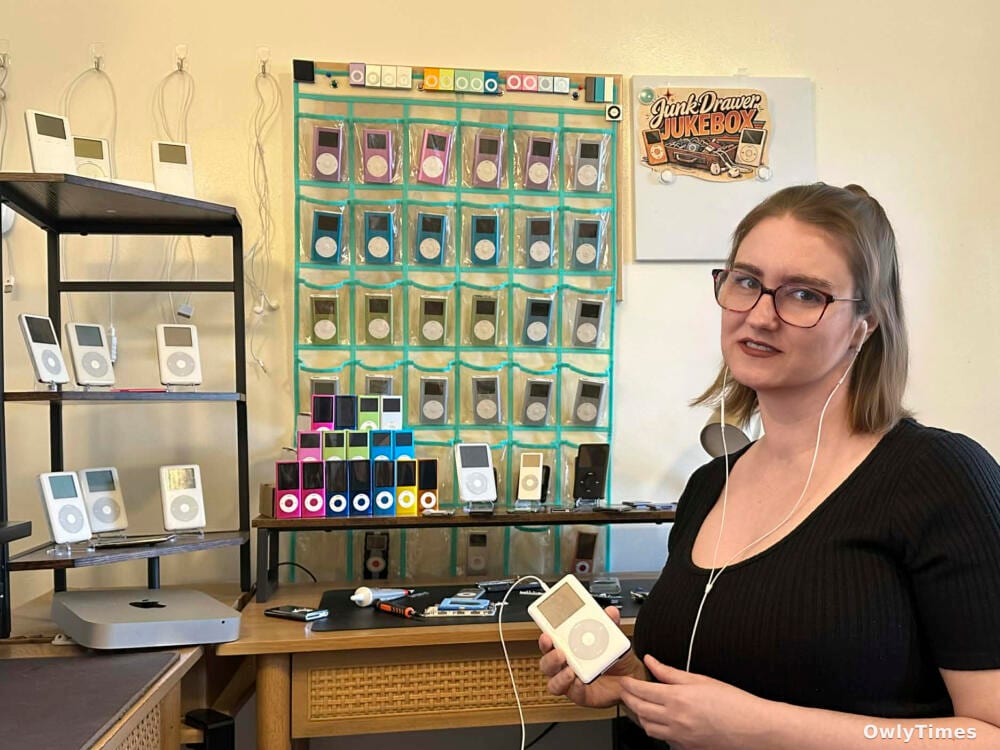

Are we really so eager to discard our digital memories? Apple may have officially killed the iPod in 2022, but the sudden surge in “digital archaeology” projects like Claire Hughes’ “Junk Drawer Jukebox” suggests a growing unease with the ephemerality of the cloud. The real story here isn't the death of a gadget – it's the unexpected emotional weight we’re assigning to obsolete technology, and what that says about our relationship with ownership, identity, and the past in a subscription-based world. Hughes, who collects and restores discarded iPods, isn’t just fixing hardware; she’s excavating personal histories, and offering a potent counter-narrative to the seamless, but ultimately disposable, promise of streaming services.
The Unexpected Life of Digital Artifacts
Hughes’ project, as she explained to Peter O’Dowd of Here & Now, centers around the playlists left behind on these forgotten devices. It’s a fascinating premise, because a curated playlist isn’t simply a collection of songs – it’s a snapshot of a specific time, a mood, a relationship, or a self. Think about the mix CDs you made in high school, the painstaking order, the inside jokes encoded in each track. Streaming services offer infinite choice, but they lack that deliberate, personal curation. Spotify’s “Wrapped” is a pale imitation of the intimacy Hughes is uncovering. The average Spotify user has access to over 100 million songs, a figure that dwarfs the capacity of even the largest iPods, but that abundance comes at the cost of intentionality.
This article draws on reporting from wunc.org.
This isn’t just nostalgia for a simpler time, though that’s certainly part of it. It’s a reaction against the increasingly intangible nature of our digital lives. We don’t own the music on Spotify or Apple Music; we license it. Our carefully constructed playlists can vanish with a change in terms of service, a platform failure, or simply a decision by the provider. An iPod, even a broken one, represents a degree of control and permanence that’s increasingly rare. Hughes’ work highlights a growing desire for digital artifacts – things we can hold, repair, and truly possess. This is a trend we’ve seen mirrored in the resurgence of vinyl records and film photography, where the physicality of the medium is part of the appeal.
Beyond the Playlist: Connecting Through Shared History
What’s particularly compelling about Junk Drawer Jukebox is the human connection it fosters. Hughes doesn’t just share the playlists; she attempts to track down the original owners, offering them a chance to relive those memories. This isn’t about the technology itself, but about the stories it unlocks. She’s essentially acting as a digital anthropologist, piecing together fragments of lives from the data left behind. Consider the implications: we’re leaving a trail of digital breadcrumbs everywhere we go, and someone, someday, will be sifting through them. The question isn’t if our digital past will be rediscovered, but by whom, and how it will be interpreted.
The fact that Hughes is succeeding in connecting with strangers through these relics speaks to a fundamental human need for shared experience. In a world increasingly fragmented by algorithms and filter bubbles, finding common ground through a shared love of early 2000s emo or a forgotten one-hit-wonder feels surprisingly powerful. It’s a reminder that even the most personal data can be a bridge to understanding and empathy. This contrasts sharply with the prevailing narrative around data privacy, which often frames all data collection as inherently exploitative. Hughes demonstrates that data can also be a source of joy, connection, and even healing.
The Future of Digital Preservation
Apple’s decision to discontinue the iPod in 2022 wasn’t a surprise – smartphone streaming had effectively rendered it obsolete. But the enduring appeal of these devices, as evidenced by Hughes’ project, suggests that the story isn’t over. The market for refurbished electronics is booming, growing 15% year-over-year according to a recent report by Statista, and a significant portion of that growth is driven by nostalgia and a desire for sustainability. But beyond individual hobbyists, we need to start thinking seriously about digital preservation on a larger scale. What happens to the millions of abandoned hard drives, smartphones, and cloud accounts filled with irreplaceable memories?
The real story here isn't the obsolescence of hardware – it's the looming crisis of digital loss. We’re creating a vast archive of personal history that’s vulnerable to technological failure, corporate decisions, and simple neglect. I predict that within the next five years, we’ll see the emergence of specialized “digital estate planning” services, helping individuals curate and preserve their digital legacies. These services won’t just back up your data; they’ll help you decide what’s worth saving, and how it should be accessed by future generations. The question isn’t whether we’ll remember the iPod, but whether we’ll remember ourselves in the digital age.