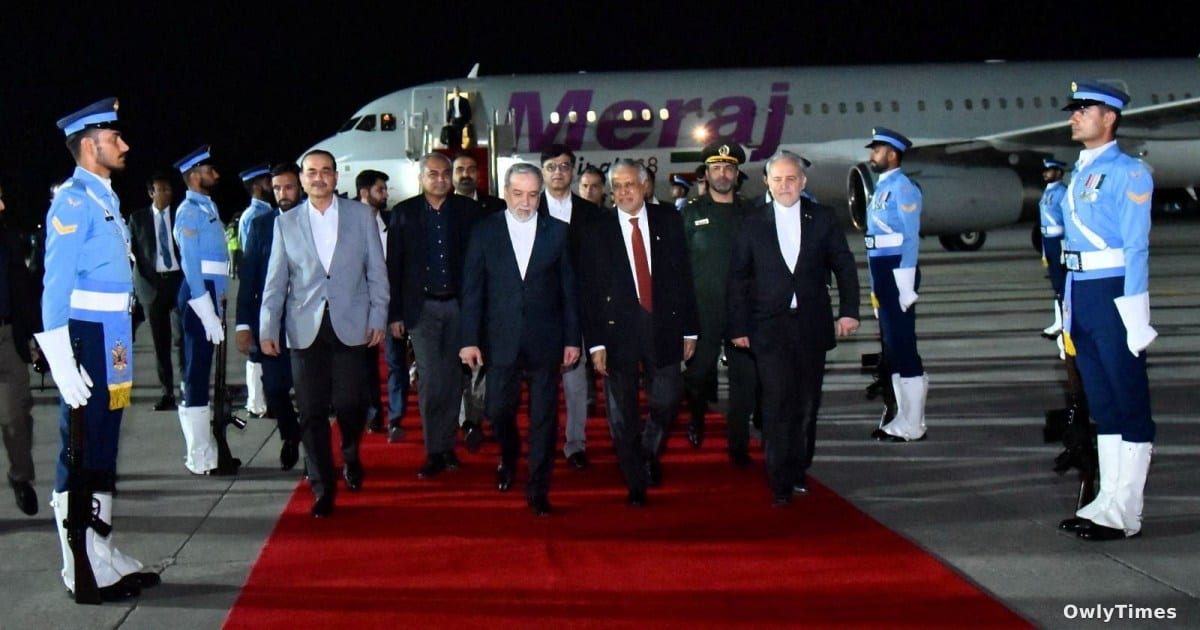

The deployment of Steve Witkoff and Jared Kushner to Islamabad this Saturday represents a high-stakes pivot in Washington’s strategy to leverage proximity rather than direct engagement. By positioning themselves in Pakistan simultaneously with Iranian Foreign Minister Abbas Araghchi, the U.S. delegation is effectively outsourcing the bridge-building process. This move shifts the burden of communication onto Pakistani mediators, allowing the White House to maintain a public posture of "open windows" while avoiding the political fallout of a failed, direct face-to-face meeting with Tehran’s representatives on day 57 of the conflict.
The Financial Squeeze on Tehran
The strategic calculus behind this diplomacy is reinforced by a aggressive fiscal containment strategy. Treasury Secretary Scott Bessent has signaled that the administration is moving beyond rhetoric by freezing $344 million in cryptocurrency assets linked to Iran. This is a targeted strike intended to choke off non-traditional funding streams as the U.S. simultaneously tightens the physical blockade. By targeting a major China-based refinery and approximately 40 shipping firms and tankers, the Treasury is attempting to isolate Iran’s oil network, ensuring that the economic cost of the current standoff remains unsustainable for the Iranian leadership.
Power Dynamics in the Strait
The Strait of Hormuz has become the fulcrum of global energy security, and the demand for its reopening is becoming a point of consensus among international stakeholders. European Council President Antonio Costa has demanded the waterway reopen "without restrictions and without tolling," framing the issue as a global necessity rather than a regional dispute. The urgency is underscored by the International Energy Agency’s projection that liquefied natural gas (LNG) markets will remain "tight" through 2026 and 2027. For the U.S., the stakes are reflected in the military’s recent deployment of three aircraft carriers to the Middle East, the highest concentration of naval power in the region since the 2003 invasion of Iraq.
Who Gains and Who Loses
The beneficiaries of this current impasse are few, but the losers are clearly defined by the volatile energy markets and regional instability. While the S&P 500 recently reached an all-time high—rising 0.8 percent—the energy sector faces significant friction. Brent oil futures have climbed above $105 a barrel, and while West Texas Intermediate dropped 1.5 percent to $94.40, the divergence highlights a market hedging against long-term supply shocks. Meanwhile, the incident involving drones hitting northern Kuwaiti border posts, currently under investigation by Iraqi Interior Minister Abdul Amir al-Shammari, demonstrates that local skirmishes threaten to derail the delicate diplomatic maneuvering occurring in Islamabad.
The Diplomatic Chessboard
The success of this mission rests on whether the "cautiously optimistic" sentiment reported from Pakistan can translate into concrete movement on nuclear non-proliferation. U.S. Secretary of Defense Pete Hegseth has insisted that Iran must pursue a deal in "meaningful and verifiable ways," yet the administration has simultaneously ruled out extensions for Russian oil shipments in transit, labeling further Iranian oil waivers as "completely out of the question." As Prime Minister Benjamin Netanyahu accuses Hezbollah of attempting to "sabotage" regional peace efforts, the diplomatic path remains narrow. The next reading of global oil benchmarks and the results of the ongoing investigation into the Kuwaiti drone incident will indicate whether the current diplomatic pressure is forcing a de-escalation or merely hardening the existing blockade.





