
The strategic architecture of the current U.S.-Iran conflict is being rewritten not in the halls of diplomacy, but through the calibrated disruption of communication channels. By canceling the mission of White House envoy Steve Witkoff and Jared Kushner to Islamabad on Saturday, President Trump effectively shifted the burden of initiative onto Tehran, transforming a negotiation process into a test of domestic political resolve. This maneuver mirrors the "madman theory" approach to international relations, where unpredictability is used to signal that the cost of continued defiance outweighs the benefits of a diplomatic stalemate.
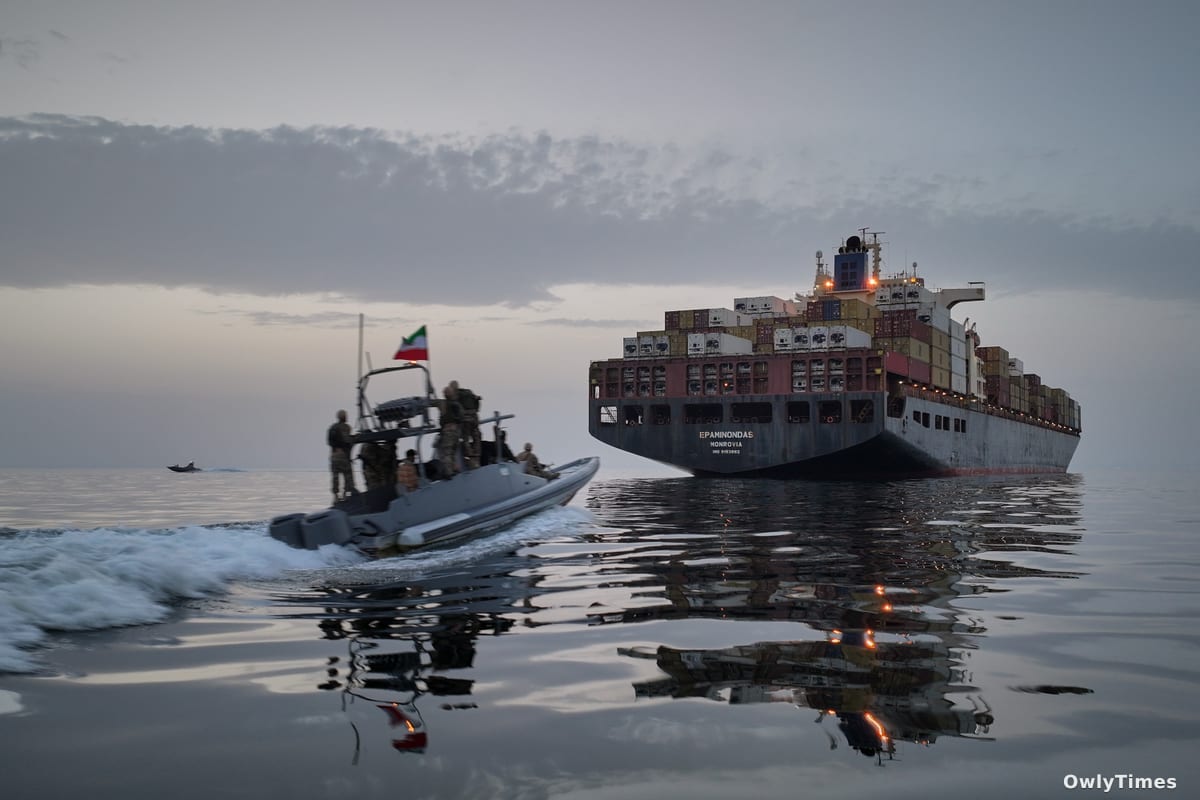
The primary beneficiaries of this impasse are the hardline elements in both Washington and Tehran who view the current blockade of the Strait of Hormuz—highlighted by the April 21, 2026, seizure of the cargo ship Epaminondas by the Revolutionary Guard Navy (IRGC)—as a zero-sum struggle. The losers are the regional stakeholders, including Lebanon, where the fragile three-week ceasefire remains under constant threat of total collapse. The death of at least two dozen people since that ceasefire began, including journalist Amal Khalil, underscores the human cost of a diplomatic process that functions only on the terms of the strongest actor.
The political dynamics shifted abruptly following the Saturday night shooting at the White House Correspondent's Dinner at the Washington Hilton. While the immediate focus remains on the security of the President and the motives of the individual in custody, the timing creates a dangerous vacuum. President Trump’s dismissive response—"I don't think so, but you never know"—regarding whether the Iran war served as a motive for the shooter suggests a desire to decouple domestic instability from his foreign policy entanglements. However, international mediators like Pakistan’s Foreign Minister Ishaq Dar are now forced to navigate a landscape where domestic violence in the U.S. and regional blockades in the Middle East are increasingly viewed through the same lens of volatility.
This is not the first time that communication between the U.S. and Iran has been mediated through third-party intermediaries in the region. Much like historical periods of proxy-mediated tension, the current reliance on Pakistan and Oman as clearinghouses for peace proposals creates a "telephone game" effect. Iran’s Foreign Minister Abbas Araghchi, moving between Islamabad and Muscat before his expected trip to Russia, is attempting to maintain leverage by demanding the lifting of the Strait of Hormuz blockade as a prerequisite for further engagement. Conversely, President Pezeshkian’s explicit rejection of "forced negotiations" indicates that Tehran believes it can weather the current economic and maritime pressure without capitulating to Washington’s direct demands.
The contradiction is stark: while Prime Minister Benjamin Netanyahu publicly condemns the violence in Washington and calls for "vigorous" attacks on Hezbollah targets in Lebanon, the U.S. maintains the appearance of seeking a diplomatic exit. The next reading of the status of the U.S.-Iran peace talks will determine the trajectory of the wider conflict. Whether the next move is a direct call to the White House as President Trump suggested, or an escalation in the Strait of Hormuz, will depend on which side first views the current diplomatic freeze as a strategic liability rather than a bargaining position.