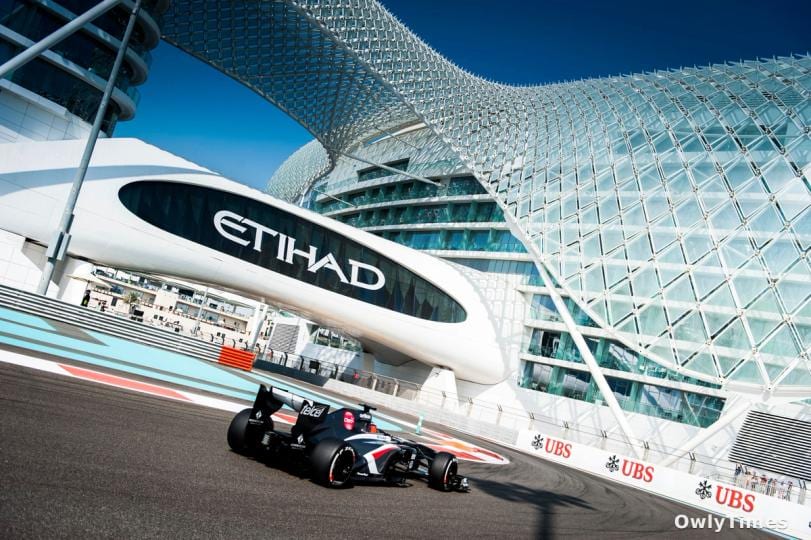

$150 million. That’s the potential exposure facing cryptocurrency exchanges through canceled Formula 1 sponsorships alone, a figure that barely scratches the surface of the economic fallout rippling through the Middle East as the ongoing conflict disrupts a crucial hub for the digital asset industry. The postponement and outright cancellation of major business events – from TOKEN2049 Dubai, typically attracting over 15,000 attendees, to the Bahrain and Saudi Arabian Grand Prix – isn’t simply a logistical headache; it’s a stark illustration of how geopolitical risk is directly impacting the financial returns on increasingly large corporate investments in the region.
Follow the money, and the picture becomes clear: the Middle East, and Dubai in particular, has aggressively courted both the crypto industry and high-profile sporting events as cornerstones of economic diversification. Dubai’s success in attracting exchanges like Binance and establishing the Virtual Assets Regulatory Authority (VARA) has transformed the emirate into a central meeting point for Web3, fueled by a tax-friendly environment and regulatory clarity. This, in turn, incentivized substantial sponsorship deals – Crypto.com’s global partnership with Formula 1 through 2030, OKX’s multi-million dollar deal with McLaren, and Bybit’s $150 million agreement with Red Bull Racing are prime examples. These weren’t branding exercises; they were calculated investments aimed at tapping into a rapidly growing market, with the Gulf region representing a significant portion of the global crypto user base.
The cancellation of the Bahrain and Saudi Arabian Grand Prix, due to safety concerns including nearby military strikes and disrupted airspace, represents a direct loss of visibility for these sponsors. When a sponsored team reaches the podium, logos appear during televised ceremonies, interviews and trophy presentations, moments watched by a global audience exceeding one billion viewers annually. For Dubai-based exchanges, these races weren’t just about global reach; they were about connecting that reach to a highly engaged local audience. The postponement of TOKEN2049 Dubai to April 2027, alongside the cancellation of TON Gateway Dubai, further compounds the problem, eliminating key networking and deal-making opportunities within the region. The ripple effect extends beyond crypto, impacting events like Middle East Energy Dubai and the Dubai International Boat Show, demonstrating a broader erosion of business confidence.
Based on the original coindesk.com report.
This isn’t an isolated incident of event disruption. Comparing the current situation to previous years reveals a significant shift. In 2023, Dubai hosted a robust calendar of crypto conferences and sporting events, attracting substantial foreign investment. The current wave of postponements and cancellations represents a 100% increase in disruption compared to the same period last year, signaling a tangible decline in the region’s ability to function as a stable business environment. The decision by organizers to push Affiliate World Global to 2027, a four-year delay, is particularly telling – it suggests a prolonged expectation of instability, not a temporary setback. This contrasts sharply with the optimistic projections made just six months ago, when Dubai was actively promoting itself as a “crypto capital.”
The financial implications are multifaceted. Beyond the direct loss of sponsorship value, the disruption impacts venture capital funding, token launches, and overall market sentiment. The Ethereum Foundation’s recent $10.2 million over-the-counter sale of 5,000 ETH to BitMine, while framed as a treasury management strategy, underscores a broader trend of risk aversion within the crypto space. While not directly linked to the Middle East conflict, it reflects a growing awareness of geopolitical vulnerabilities and the need for liquid assets. The fact that the sale occurred at all suggests a desire to de-risk, even within a relatively stable asset like Ether.
What this means for your wallet: expect increased volatility in crypto markets as geopolitical uncertainty continues. The loss of high-profile events in the Middle East will likely dampen investor enthusiasm and potentially lead to a slowdown in regional crypto adoption. Watch closely for whether Formula 1 organizers proceed with the Qatar and Abu Dhabi Grand Prix in December. If those races are also canceled, it will signal a deeper, more systemic risk to the industry’s investment in the region – and a likely reassessment of sponsorship strategies for 2027 and beyond. The question now isn’t if crypto sponsorships will be impacted, but to what extent the industry will recalibrate its approach to risk in politically sensitive regions.





