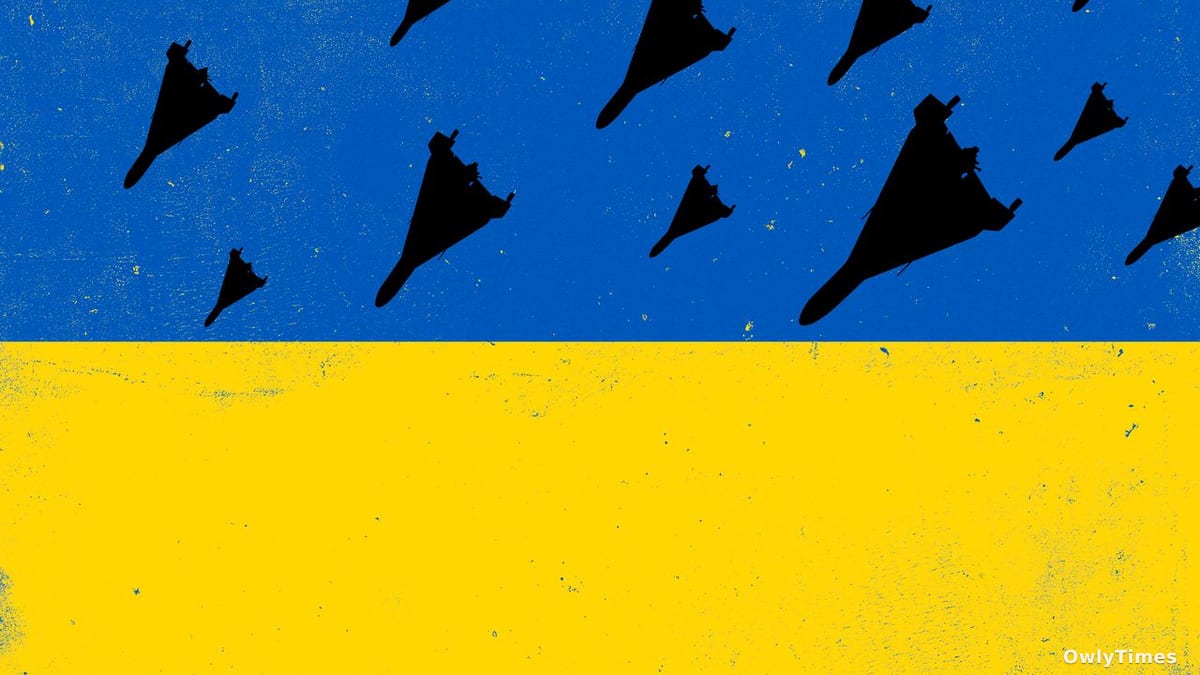

Is the world bracing for the wrong kind of escalation? Everyone’s focused on the immediate fallout of a widening conflict in the Middle East, the potential for direct US involvement, and the humanitarian crisis unfolding in Iran. But the real story here isn’t just about the current war – it’s about how Russia is quietly, strategically benefiting from it, and how a seemingly unrelated conflict in Ukraine is fueling that advantage. We’re looking at a masterclass in geopolitical opportunism, and it’s one most observers are drastically underestimating.
The Drone Pipeline: Russia’s Shadow Support for Iran
The April 3, 2026, interview with Olga Rudenko, editor-in-chief of the Kyiv Independent, lays bare a disturbing reality: Russia isn’t just a passive observer in the escalating tensions with Iran. According to reporting from the Kyiv Independent – specifically Asami Terajima’s piece detailing Ukraine’s “irrefutable evidence” – Russia is actively providing intelligence support to Iran. This isn’t about ideological alignment; it’s a calculated exchange. Iran is supplying Russia with Shahed drones for use in Ukraine, and in return, Russia is bolstering Iran’s military capabilities and, crucially, its intelligence network. Think of it as a dark, asymmetrical supply chain, where the currency isn’t dollars, but battlefield advantage. This arrangement, while not entirely surprising given the shared animosity towards the West, represents a significant escalation in the complexity of the conflict. It’s no longer a series of isolated regional skirmishes; it’s a coordinated effort to destabilize the existing global order.
Reporting from newyorker.com informs this analysis.
Oil Shockwaves and Putin’s Bottom Line
The impact of the conflict extends far beyond the immediate battlefields. As Joshua Yaffa points out in his analysis of Putin’s demands, the worldwide shock to oil prices is directly aiding Russia. While the initial disruption to global energy markets might seem like a universal negative, for Russia, it’s a windfall. Increased oil revenue is effectively funding the war in Ukraine and allowing Russia to circumvent sanctions. This isn’t a new tactic – Russia has long weaponized its energy resources – but the current situation amplifies its effectiveness. The global scramble for alternative energy sources, coupled with the instability in the Middle East, creates a perfect storm for Russian economic gain. It’s a cynical, brutal reality: the more chaos, the more Putin profits. The price of Brent crude has jumped 27% since the initial escalation, a figure that dwarfs previous spikes linked to regional instability.
Zelenskyy’s Dilemma and the Limits of Independent Journalism
The situation also highlights the precarious position of independent journalism, even in a nation fighting for its survival. Olga Rudenko’s experience launching the Kyiv Independent – a publication specifically designed to avoid political interference – underscores the challenges of reporting in wartime. However, she also reveals a troubling dynamic: President Volodymyr Zelenskyy’s own pushback against independent reporting. While understandable given the need for national unity during wartime, this pressure raises concerns about the long-term health of Ukrainian democracy. A free press is essential for accountability, and silencing critical voices, even temporarily, sets a dangerous precedent. This isn’t simply a Ukrainian issue; it’s a warning sign for democracies worldwide facing similar pressures. The Kyiv Independent’s commitment to unbiased reporting, despite these challenges, is a testament to the resilience of journalistic integrity.
Trump’s Proposed “Peace Deal” and the Reality on the Ground
The interview also touches on Donald Trump’s insistence that Ukraine accept a peace deal with Russia. Rudenko makes it clear: Ukraine cannot and will not accept a deal that cedes territory or compromises its sovereignty. This isn’t stubbornness; it’s a matter of national survival. Trump’s proposal, viewed through the lens of the current geopolitical landscape, appears dangerously naive. It ignores the fundamental power dynamics at play and fails to account for Russia’s broader strategic goals. It also overlooks the fact that Russia is actively supporting Iran, further complicating the situation. To suggest a simple “peace deal” without addressing these underlying issues is not a solution, but a surrender. The reporting from Tim Zadorozhnyy on Ukraine’s drone proposal to the US, previously dismissed by Trump, underscores the urgency of providing Ukraine with the tools it needs to defend itself.
So, what happens next? Forget the headlines about immediate military responses and diplomatic maneuvering. The critical development to watch isn’t the next airstrike, but the next shipment. Specifically, monitor the flow of Iranian drones to Russia, and the corresponding increase in Russian oil revenue. By late 2026, I predict we’ll see a significant expansion of Russia’s military-industrial complex, fueled by the profits of this conflict, and a corresponding increase in its ability to project power globally. The West is focused on containing Iran; it’s missing the bigger picture: Russia is the one truly capitalizing on this chaos.





