
Is anyone actually paying attention to what’s happening with Iran, or are we all just mesmerized by the escalating body count and the increasingly bellicose rhetoric? The narrative being pushed – a swift, decisive victory for the U.S. and Israel – is a carefully constructed illusion. The real story here isn't the claimed 92% destruction of Iranian naval vessels or even the boasts of “regime change”; it’s the chillingly effective way Iran is mirroring Ukraine’s defense strategy, effectively holding the Strait of Hormuz hostage and choking off global supply chains. While President Trump declares the war “won,” the reality on the ground – and at the pump – suggests a protracted stalemate with potentially devastating consequences for everyone outside the Washington bubble.
The situation in the Strait of Hormuz is the linchpin. After President Trump initially threatened “obliteration” if Iran didn’t reopen the waterway, and then backed down, Tehran has effectively closed it to all but approved vessels. This isn’t a matter of military might, but of asymmetric warfare. Just as Ukraine, despite being outgunned, has made parts of the Black Sea too dangerous for Russian ships to navigate, Iran is doing the same in the Persian Gulf. The U.S. can destroy Iranian ships, and apparently has, but it can’t eliminate the threat – the mines, the drones, the swarming tactics – that make passage perilous. CENTCOM commander Adm. Brad Cooper’s claim that Iran has “lost the ability to meaningfully project naval power” is a convenient soundbite, but it ignores the fundamental reality: a determined adversary doesn’t need a navy to disrupt a vital chokepoint.
This isn’t just about oil prices, though the 5% drop following Trump’s announcement of “productive” talks is a clear indicator of market sensitivity. It’s about fertilizer, a critical component of global food production, which U.N. Secretary-General António Guterres rightly points out is being blocked at a crucial planting season. The impact will be felt most acutely by those least able to absorb it – developing nations already grappling with food insecurity. The focus on military targets obscures the fact that this conflict is already inflicting “serious harm” on civilians, as Guterres stated, not just in the immediate region but “beyond.” The U.S. can claim to be minimizing collateral damage, but the economic fallout will be widespread and indiscriminate.
Based on the original CBS News report.
The political theater unfolding in Washington isn’t helping. Democratic New York Rep. Gregory Meeks’ accusations that House Republicans are acting as a “rubber stamp for the Trump administration” highlight a disturbing lack of oversight. The refusal to subpoena key figures like Secretary of State Marco Rubio, special envoy Steve Witkoff, and Jared Kushner – individuals deeply involved in the lead-up to this conflict – smacks of a cover-up. The $200 billion price tag looming over this war, as Meeks points out, will be borne by American taxpayers, with little transparency or accountability. Meanwhile, the Pentagon is quietly signing framework agreements with defense contractors like BAE Systems and Lockheed Martin, effectively putting the “defense industrial base on a wartime footing” – a move that benefits corporations far more than it does national security.
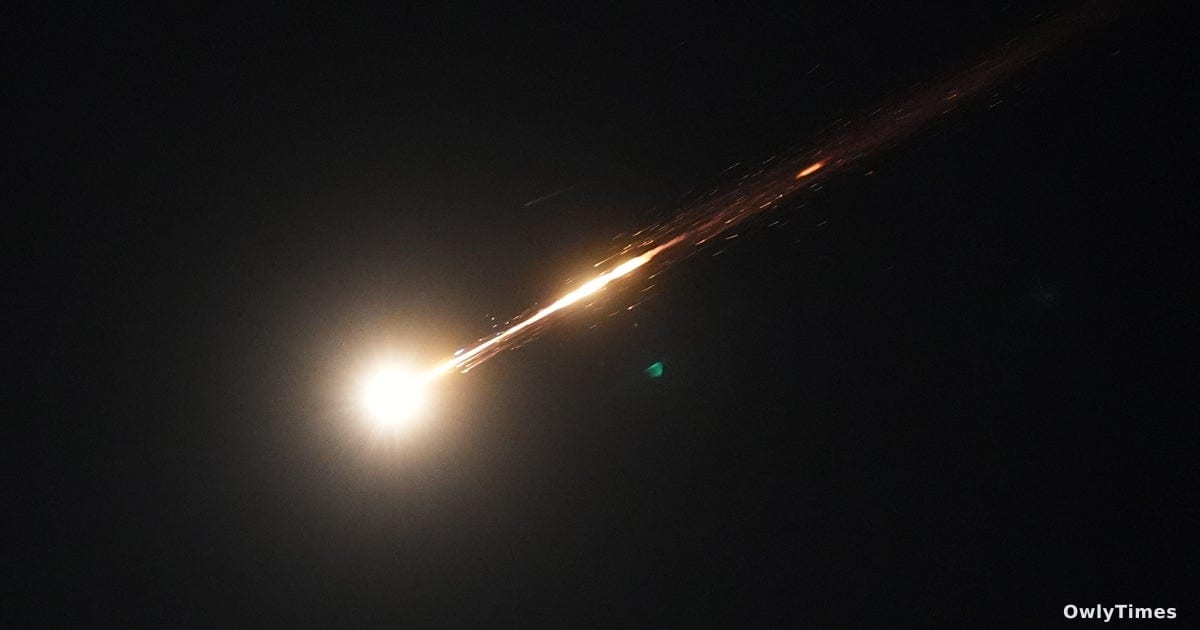
The situation is further complicated by the conflicting signals emanating from Iran. While state media reports claim the regime has rejected U.S. proposals as “excessive and disconnected from reality,” backchannel talks continue, according to Leavitt. This dance of rejection and negotiation is a familiar tactic, designed to buy time and extract concessions. The Iranian counterproposal – reparations, control over the Strait of Hormuz, and guarantees against future attacks – is a non-starter for the U.S., but it underscores Iran’s willingness to play a long game. The incident with the Iranian missile that exploded over Lebanon, potentially headed for Cyprus, demonstrates a willingness to escalate and project power beyond its borders, even if unintentionally.
The narrative of a swift victory is crumbling under the weight of reality. The nearly 300 U.S. service members wounded, the ongoing attacks on shipping, the stalled negotiations, and the looming threat to global food supplies all point to a protracted conflict. The U.S. is attempting to project strength, but it’s increasingly clear that military force alone won’t resolve this crisis. The real question isn’t whether the U.S. can defeat Iran militarily – it’s whether it can adapt to a new reality where asymmetric warfare and economic leverage are more potent than aircraft carriers and bombs. Watch for a significant disruption to global fertilizer supplies within the next six months. If planting seasons are missed, the consequences will be far more devastating than any battlefield loss.




