
The Calculus of Condemnation: Ukraine’s Response to Iran Signals a Shifting Alignment
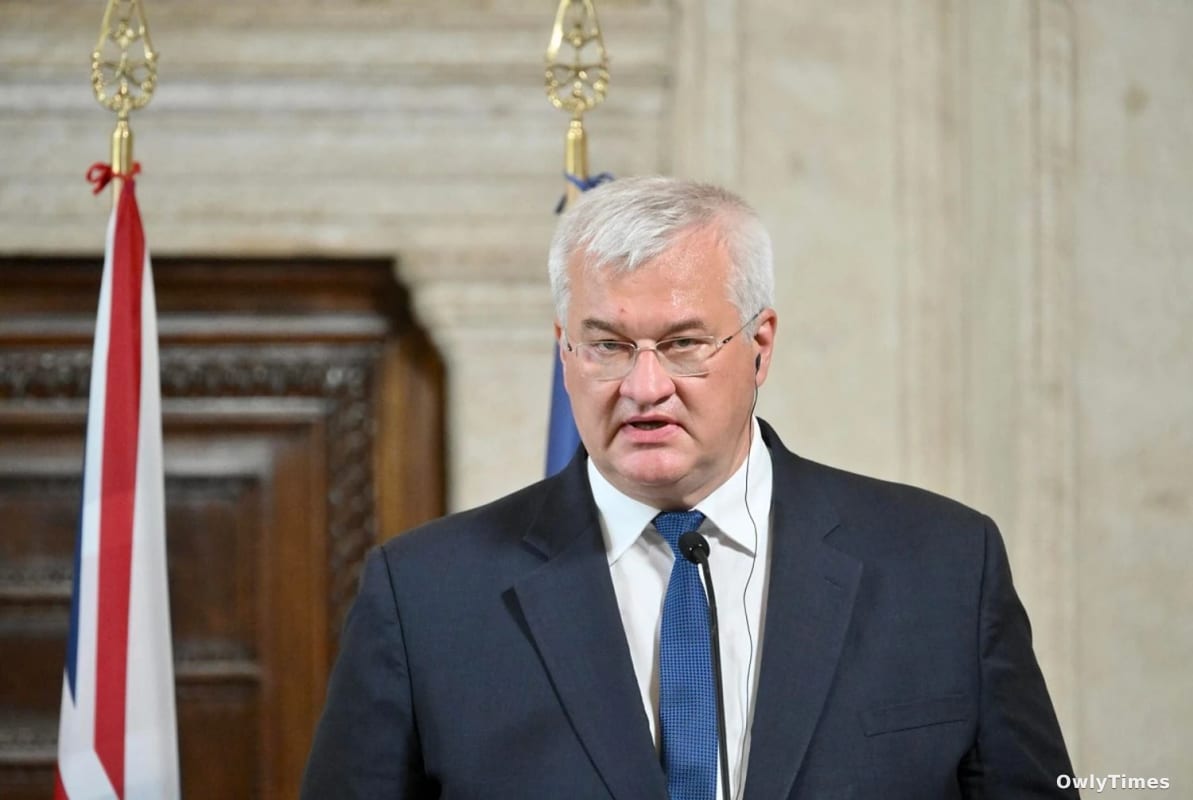
The swift and unequivocal condemnation from Andriy Sybiha, Ukraine’s Foreign Minister, regarding the Iranian drone attack on the US Embassy in Riyadh isn’t simply a display of diplomatic solidarity; it’s a calculated move to leverage shared threat perceptions and subtly position Ukraine as a key partner in containing Iranian aggression. Posted on “X” – formerly Twitter – on March 4th, Sybiha’s statement, reported by UNN, frames the attack as a violation of international law and a reinforcement of “Iran’s policy of terror.” This isn’t merely rhetoric. It’s a signal to Washington and London that Kyiv recognizes a converging security interest, and is willing to publicly acknowledge it, despite its own ongoing struggle for survival. The timing, following the US’s first combat use of inexpensive disposable attack drones, adds another layer of strategic signaling.
Echoes of Kyiv: Iranian Tactics and the Diffusion of Drone Warfare
The detail that Iranian forces employed tactics mirroring those used against Ukrainian cities – specifically, the use of Shahed drones – is the most critical element of this story. This isn’t accidental. Ukraine has been at the forefront of experiencing and adapting to the realities of large-scale drone warfare since Russia’s full-scale invasion in 2022. To point out the parallel is to implicitly offer expertise, and to suggest that lessons learned in Ukraine are directly applicable to the escalating tensions in the Persian Gulf. The fact that the US is now mirroring this tactic – deploying its own low-cost drones – further underscores the diffusion of this particular style of warfare, and Ukraine’s role as an early adopter. The US Embassy in Jordan’s temporary evacuation of personnel, while reported as a precautionary measure, demonstrates the tangible escalation of risk in the region.
Source material: unn.ua.
Who Benefits and Who Loses in the Wake of the Riyadh Attack?
The immediate losers are, ostensibly, regional stability and the principle of diplomatic immunity. The attack on the US Embassy, even without casualties, represents a significant breach of protocol and a direct challenge to international norms. However, a closer look reveals a more complex calculus. Iran arguably loses in the long run, reinforcing the narrative of a rogue state and potentially inviting further sanctions or retaliatory action. The United States faces a challenge to its regional security posture, requiring a reassessment of force protection measures and a potential escalation of its own response. But Ukraine stands to benefit. By aligning itself with the US and UK in condemning Iran, Kyiv elevates its own security concerns and positions itself as a valuable partner in a broader coalition confronting shared adversaries. This is particularly important as Ukraine continues to seek sustained military and financial aid from Western powers.
A Historical Precedent: The Politics of Shared Threat
This dynamic – a smaller nation aligning with larger powers based on a shared threat – isn’t new. Consider the historical relationship between Israel and various European powers during the Cold War. Israel, facing existential threats from its neighbors, consistently sought to cultivate alliances with Western nations by highlighting the dangers of Soviet-backed aggression. Similarly, Ukraine is now leveraging its experience with Russian aggression to forge stronger bonds with countries facing threats from Iran. The key difference here is the speed and transparency of the communication, facilitated by platforms like “X.” This allows for a more direct and immediate articulation of shared interests, bypassing traditional diplomatic channels.
The Next Move: Will Washington Reciprocate with Increased Aid?
The political chess move to watch next isn’t whether the US will retaliate against Iran – that’s almost a certainty, though the form it takes remains to be seen. It’s whether the Biden administration will respond to Ukraine’s overt support with a tangible increase in military aid. The current aid package stalled in Congress represents a significant vulnerability for Kyiv. A clear signal of support, framed as a response to shared security concerns regarding Iran, could be the catalyst needed to break the deadlock. Specifically, look for a statement from the White House explicitly linking the need to support Ukraine’s defense against Russian drone attacks to the broader effort to counter Iranian proliferation of this technology. That would be the clearest indication that Kyiv’s strategic calculus is paying off.





