
The Weight of a Nation’s Silence: Beyond the Headlines of Iranian Footballers’ Return
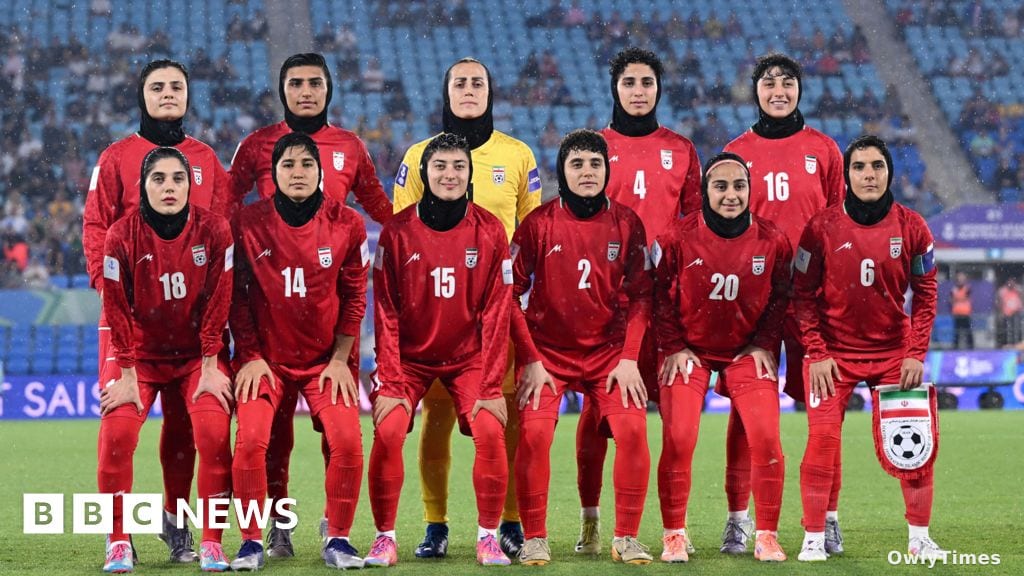
The image is stark: Mona Hamoudi, mid-stride during a March match against the Philippines, a flash of athletic determination frozen in time. Now, that image carries a different weight. Hamoudi is one of three members of the Iranian women’s national football team who, after initially seeking asylum in Australia, are returning home. The decision, announced just hours ago, isn’t a simple change of heart; it’s a chilling illustration of the pressures faced by athletes navigating a political landscape where even silence can be a revolutionary act. It’s a story that transcends sports, landing squarely in the realm of human rights and the agonizing choices forced upon individuals by authoritarian regimes.
This article draws on reporting from the BBC.
The initial spark ignited during the Asian Cup on March 2nd. The Iranian team stood silently during their national anthem before their match against South Korea – a quiet protest that reverberated far beyond the stadium. In a country where public dissent is met with swift and brutal repression, the silence spoke volumes. It immediately branded them “war traitors” in the eyes of hardliners back home, a label that carries terrifying implications. Seven players initially sought humanitarian visas, seeking refuge in Australia. Now, only three remain. The swift unraveling of those asylum requests, culminating in this latest wave of returns, isn’t a testament to Australia’s failure to offer safety, as Tony Burke, Australia’s Home Affairs Minister, pointed out, but a stark reminder of the power dynamics at play. Burke’s statement – praising Australia for offering “genuine choices” – feels almost hollow when juxtaposed with the reality of the choices these women didn’t have.
The Iranian government’s response is equally telling. The sports ministry, via a statement first reported by the Islamic Revolutionary Guard Corps-linked Tasnim News Agency, framed the returns as a victory of “national spirit and patriotism” over “enemy plans.” The accusation that Australia was “playing in Trump’s field” is a bizarre deflection, attempting to paint the offer of asylum as a politically motivated act of interference. Tasnim’s claim that the women resisted “psychological warfare, extensive propaganda and seductive offers” reads less like a celebration of resilience and more like a veiled threat, hinting at the pressure campaigns likely exerted on these athletes. The speed with which Mohaddeseh Zolfi reversed her decision – hours after being granted asylum – is particularly unsettling, suggesting immediate and intense repercussions for even considering a life outside Iran’s control.
This isn’t simply about football. It’s about the increasingly visible cracks in the façade of Iranian national unity, and the regime’s desperate attempts to maintain control. The fact that these women were initially able to slip away from their minders, seeking help from the Australian Federal Police, demonstrates a level of agency and desperation that is rarely seen. The subsequent pressure to return, however, underscores the limitations of that agency. The team’s decision to sing the anthem in their final two games, after initial silence, isn’t a sign of reconciliation, but a likely directive from government officials accompanying them – a chilling display of coercion. The stakes are impossibly high; reports suggest potential repercussions not just for the players, but for their families as well.
Beyond the headlines of asylum applications and political statements, this story reveals a disturbing trend: the weaponization of national identity. The Iranian government isn’t just protecting its image; it’s actively punishing those who dare to question it, even through the seemingly innocuous act of silent protest. The remaining three players who continue to seek asylum in Australia now face an uncertain future, but their courage in defying expectations has already sent a powerful message. The question now isn’t just whether they will be granted safe haven, but whether the international sporting community will address the systemic pressures that force athletes into these impossible positions – and what concrete steps will be taken to protect those who risk everything to speak truth to power. Will governing bodies like FIFA move beyond symbolic gestures and implement real safeguards for athletes facing political persecution, or will the silence continue to be the loudest statement of all?

