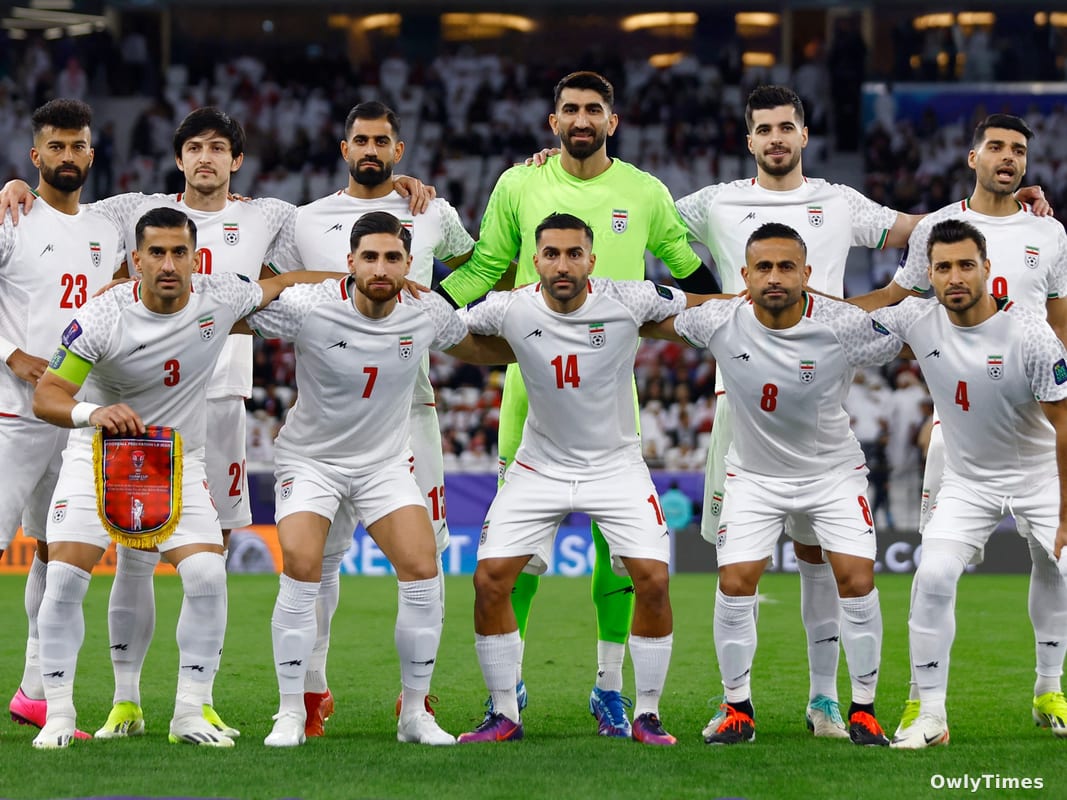

The grass is still growing in stadiums across North America, but for the Iranian national football team, the playing field has been anything but level. While the 2026 FIFA World Cup is marketed as a celebration of global unity, the shadow of a conflict that ignited on February 28 has turned the sport into a high-stakes geopolitical chess match. As of Wednesday, government spokesperson Fatemeh Mohajerani confirmed to state broadcaster IRIB that the Ministry of Youth and Sports has finalized all necessary arrangements for the team’s participation, signaling an intent to compete despite the volatile atmosphere.
A Diplomatic Tug-of-War on the Pitch
The road to the 2026 tournament, which begins on June 11, has been marked by a series of tense diplomatic maneuvers. Following the outbreak of hostilities between Iran, the United States, and Israel, Tehran initially floated the possibility of a boycott. They subsequently petitioned FIFA to relocate their Group G matches away from the United States and into Mexico, a request that the world governing body promptly rejected.
FIFA President Gianni Infantino has remained steadfast in his insistence that the tournament remain a neutral ground. On April 16, Infantino remarked that the team’s presence is essential, stating, “But Iran has to come, they represent their people, they have qualified, the players want to play.” His mantra—that sports should remain outside of politics—is currently being tested by the logistical reality of hosting a team that has been at the center of a regional firestorm.
Security Concerns and the Specter of Safety
The friction extends beyond the boardroom into the highest levels of the American executive branch. In March, U.S. President Donald Trump voiced a public hesitance regarding the team’s arrival, questioning the appropriateness of their attendance by citing concerns over the squad’s “life and safety.” This rhetoric complicates the standard operational procedures for any national team, as Iran is slated to play two matches in Los Angeles and one in Seattle, with their home base set for the duration of the tournament in Tucson, Arizona.
These concerns are not merely abstract; they are tied to a regional reality that has only recently entered a fragile state of flux. A two-week ceasefire, which took effect on April 8, offered a brief window of stability, followed by direct talks in Islamabad on April 11–12. Those negotiations concluded without a definitive agreement, leaving the diplomatic landscape as precarious as the sports schedule.
The Weight of the 48-Team Milestone
The 2026 World Cup is a landmark event, representing the first time the tournament will expand to feature 48 teams. The inclusion of more nations is intended to broaden the reach of the beautiful game, yet the inclusion of Iran serves as a stark reminder of the limitations of "sporting neutrality."
As the calendar inches toward the June 11 kickoff, the industry will be watching the ongoing diplomatic efforts closely. With the ceasefire extended by the U.S., the next reading of the stability of these international talks will determine whether the upcoming matches in the United States proceed as planned or remain subject to the shifting tides of regional conflict. The players may be focused on their Group G performance, but the true test of the tournament’s integrity will be whether it can bridge the divide when the world is watching.

