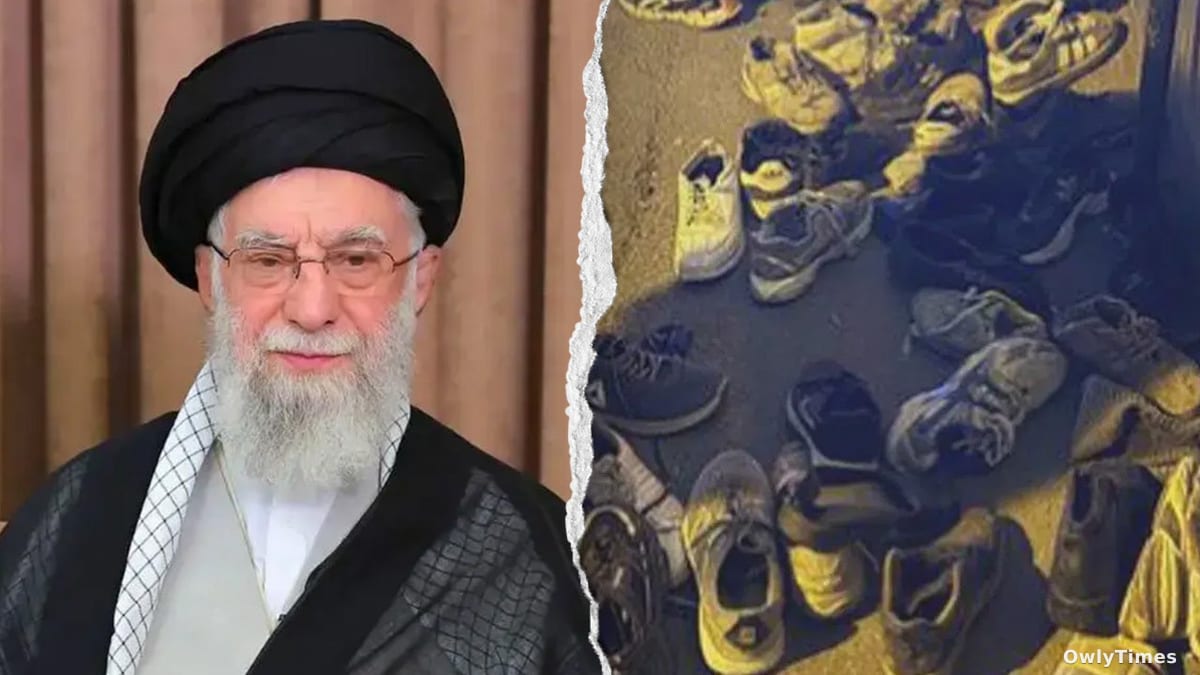

The escalating conflict between verifiable data and official narratives surrounding the Iranian protests demands a careful reassessment of what we think we know about state violence and its impact on civilian populations. While headlines proclaim “thousands dead,” the true scope of the crisis isn’t simply a matter of arriving at a single, definitive number. It’s about understanding how those numbers are generated – and, crucially, what the discrepancies between them reveal about the deliberate obstruction of information and the evolving tactics employed by the Iranian regime. The situation isn’t merely a human rights tragedy; it’s a methodological challenge for anyone attempting to document events unfolding under conditions of intense censorship and state-sponsored intimidation.
The current unrest, sparked by the death of Mahsa Amini in September 2022, represents a turning point in the regime’s response to dissent, according to Fatemeh Jamalpour, an Iranian journalist who has meticulously documented protest movements for two decades. Jamalpour’s assessment, shared with Fox News Digital, centers on a critical shift: the issuance of “shoot-to-kill” orders beginning January 8th, authorizing direct fire by the Islamic Revolutionary Guard Corps (IRGC), the Basij, and riot police. This differs significantly from previous crackdowns, where military-grade weapons were largely confined to minority provinces like Kurdistan and Baluchestan. The broadening of this authorization to encompass the entire country, coupled with reports from Health Ministry officials of depleted body bag supplies, paints a grim picture of escalating force.
Original reporting: Fox News.
As of January 25th, the Human Rights Activists News Agency (HRANA), a U.S.-based organization, had confirmed 5,848 deaths – 5,520 protesters, 77 children under 18, 209 government-affiliated forces, and 42 non-protesters or civilians. However, HRANA explicitly acknowledges that this figure represents only independently documented cases, with a further 17,091 deaths still under investigation. This transparency regarding the limitations of their data is vital. It’s a stark contrast to the single official count offered by Iranian authorities: 3,117 deaths, a number that hasn’t been updated in five days and lacks supporting documentation. The gap isn’t simply a matter of differing methodologies; it’s a deliberate attempt to control the narrative.
Beyond these tallies, a medical working paper reviewed by Fox News Digital, authored by professor Dr. Amir-Mobarez Parasta of the Munich Med Group, suggests a far higher death toll – approximately 33,130 as of January 23rd. This estimate is derived from hospital-registered fatalities across multiple Iranian cities, extrapolated to account for underreporting during the internet blackout. It’s crucial to understand that this is not a verified count, but a lower-bound estimate based on a specific model and stated assumptions. Similarly, an investigation by Iran International claims over 36,500 deaths occurred during just two days of protests (January 8th and 9th), based on documents from sources inside Iran – claims that remain unverified. The sheer range of these estimates – from the official 3,117 to over 36,000 – underscores the difficulty of obtaining accurate information.
The attempts to circumvent the information blockade are noteworthy. Despite the internet shutdown, Iranian doctors and medical workers reportedly used limited satellite connections, including Starlink, to document the injuries and deaths they were witnessing. Jamalpour reports that victims were often shot in the head and neck, indicating intent to kill, and frequently sustained multiple gunshot wounds. The demographic profile of the deceased is also significant: a disproportionate number are young people under 30, suggesting the regime is deliberately targeting a generation perceived as a threat. The story of Mehdi Khanmohammadi, a 67-year-old retired army colonel killed on January 9th, and his daughter’s desperate plea for him to wake up, exemplifies the profound grief and trauma gripping the nation.
However, the focus on raw numbers risks obscuring the broader context. The increasing desperation within Iran isn’t solely about the immediate violence, but also the fear surrounding the over 20,000 protesters currently detained and at risk of execution. Lawyers and human rights organizations are deeply concerned about due process and the potential for widespread injustice. Furthermore, Jamalpour notes a surprising development: expressions of hope for assistance from former President Trump within Iran, coupled with a renewed determination to effect regime change. This sentiment, while anecdotal, suggests a complex and evolving political landscape.
Looking ahead, the critical next step isn’t simply to refine the death toll estimates, but to establish independent mechanisms for investigating human rights abuses and holding perpetrators accountable. The international community must prioritize securing access for independent observers and ensuring the preservation of evidence. More importantly, we need to watch for a shift in the regime’s tactics. Will the crackdown intensify, or will the government attempt to quell dissent through more subtle means, such as targeted arrests and economic coercion? The answer to that question will determine not only the fate of Iranian protesters, but also the stability of the region.





