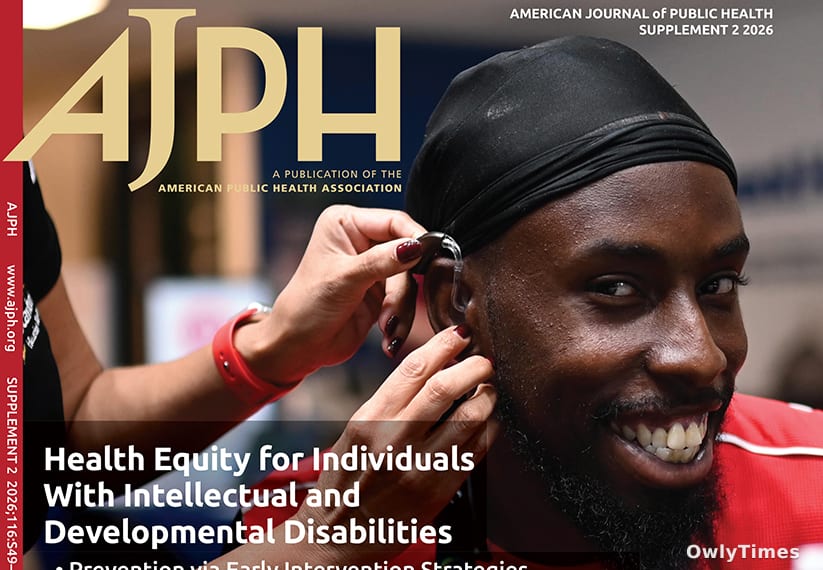

The fundamental question facing modern public health is not merely how to extend life, but how to ensure that the infrastructure of care is accessible to those who have been systematically sidelined. For decades, individuals with intellectual and developmental disabilities (IDD) have occupied a precarious position in the medical landscape, often excluded from the very data sets that determine policy and funding priorities. A new, comprehensive supplement in the American Journal of Public Health (AJPH) suggests that the path toward health equity requires a radical shift: moving from treating people with IDD as passive recipients of care to including them as active participants in the design of health systems.
Bridging the Data Gap in Inclusive Care
The challenge in addressing health disparities among people with IDD has long been a lack of visibility. Without granular, inclusive data, it is impossible for public health practitioners to calibrate their interventions effectively. As one of the largest organizations providing inclusive health programs for, and collecting health data on, people with IDD, Special Olympics has emerged as a critical source of institutional knowledge. By leveraging their extensive reach, they provide a roadmap in the new AJPH supplement, “Achieving Health Equity for People with Intellectual Developmental Disabilities: Making an Elusive Goal A Reality,” that offers a tangible guide for practitioners to follow.
It is important to distinguish between what this academic collection provides and what might be expected from typical policy rhetoric. While headlines often frame such initiatives as mere calls for "better awareness," the actual research found in this supplement focuses on the mechanics of systemic change. It argues that meaningful progress depends on the integration of people with IDD into the rooms where policy, funding, and research decisions are finalized. This is not just a plea for inclusivity; it is a pragmatic recognition that health outcomes improve when the people most affected by a system have a seat at the table during its construction.
Equipping a New Generation of Practitioners
The supplement identifies a significant bottleneck in the current medical landscape: the lack of specialized training for the workforce. The document outlines an urgent need for the development of inclusive health systems that do more than provide basic services; they must actively equip health care workers to meet the complex, often profound health needs of this population. Currently, the gap between general clinical education and the specific requirements of patients with IDD is substantial, leading to diagnostic overshadowing and fragmented care.
Limitations to consider in this approach include the inherent difficulty of scaling these local, inclusive models to a national or global level. While the roadmap provided by Special Olympics is robust, implementing it requires significant shifts in institutional funding and administrative priorities, which are notoriously slow to change. There is also the reality that systemic change cannot occur overnight, regardless of the quality of the provided frameworks. The success of these proposals will ultimately depend on whether public health departments are willing to move beyond the traditional models that have historically ignored the needs of the IDD community.
The Path Toward Systemic Integration
The next research steps involve moving these insights from the pages of the AJPH into clinical and community-based practice. The progress of this initiative will be measured by the adoption of these inclusive strategies within state and federal public health planning. As the sector begins to digest these findings, the next reading of policy mandates and funding allocations from major public health institutions will indicate whether the industry is genuinely moving toward a more inclusive architecture or simply acknowledging the necessity of reform without committing to the labor required to achieve it. By centering the voices of those with IDD in future research cycles, the public health community may finally begin to move the goal of health equity from an elusive ideal toward a measurable reality.





