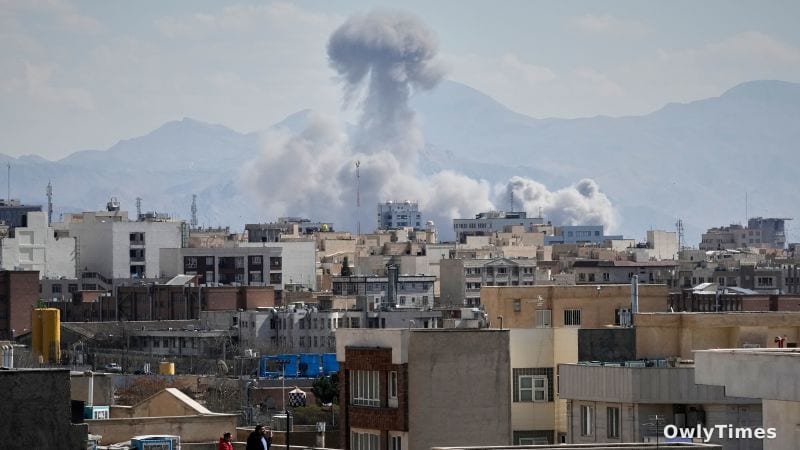

The calculated gamble to dismantle Iran’s immediate retaliatory capacity wasn’t about preventing a response – it was about controlling the nature of that response. The strikes attributed to the US and Israel weren’t a preventative measure against an imminent, existential threat, but a strategic reshaping of the conflict’s parameters. By targeting air defenses and reportedly eliminating a significant portion of Iran’s leadership, including Supreme Leader Ali Khamenei, the move wasn’t simply about military degradation; it was a deliberate attempt to induce chaos within the Iranian command structure and limit the scope of their counterattack. This isn’t a surprise escalation, but a calculated risk to force Iran into a reactive, rather than proactive, posture.
The core calculus, as outlined by Brett McGurk, a CNN global affairs analyst with experience across multiple administrations, is about establishing a “baseline assessment” – a clear understanding of the balance of forces and leadership dynamics. We lack the full picture of intelligence flowing into the Situation Room, but the visible indicators point to a deliberate effort to exploit existing vulnerabilities within the Iranian regime. Who benefits and who loses is immediately apparent: Israel gains a temporary reprieve from direct Iranian attacks, the US asserts its regional dominance, and Iran faces internal disarray and a severely compromised chain of command. The losers are regional stability, global oil markets, and any hope for a swift de-escalation.
Original reporting: CNN.
This level of decapitation strike – the reported killing of 48 top leaders – is historically unprecedented for Iran, which has experienced only one leadership succession since the 1979 revolution. The comparison isn’t to past conflicts in the Middle East, but to moments of systemic shock within a nation’s governing structure. Consider the aftermath of the 1963 assassination of John F. Kennedy in the United States, or the power vacuum created by Gamal Abdel Nasser’s death in Egypt in 1970. These events triggered periods of uncertainty and internal maneuvering, and Iran is now entering a similar phase, compounded by ongoing military strikes. The acknowledgement from Iran’s foreign minister that military units are operating independently underscores the extent of this breakdown.
The Erosion of Iranian Command and Control
The constitutional process for succession, involving an interim council led by the president, chief justice, and a cleric, feels increasingly like a formality. The lack of public visibility of this council, coupled with continued targeting of Iranian leadership by Israeli and US aircraft – including a strike near former President Mahmoud Ahmadinejad’s residence – suggests a deliberate effort to prevent the consolidation of power. The absence of a clear successor to Khamenei, particularly after the death of potential candidate Ebrahim Raisi in 2022, further exacerbates the instability. The regime’s attempts to project an image of control are undermined by the reality of a fractured leadership and a military potentially acting without clear direction.
Shifting Alliances and Regional Entanglement
Iran’s response, characterized by missile attacks into Israel, against US facilities, and targeting civilian infrastructure in Gulf states, reveals a desperate attempt to broaden the conflict. This is where the strategic calculus becomes particularly dangerous. The targeting of civilian infrastructure – hotels and residences in Saudi Arabia, UAE, Qatar, Bahrain, Kuwait, and Oman – is a significant departure from Iran’s historical focus on military targets. This move, initially dismissed as targeting only US military bases by Iranian claims, is actively drawing previously neutral nations into the conflict. The swift condemnation from the Gulf states, and their assertion of “self-defense” rights, signals a potential reversal of years of Iranian efforts to reconcile with its Arab neighbors. The emerging coalition, including the UK, France, and Germany, indicates a growing international consensus against Iran’s actions.
The Limits of Strategic Partnerships
Historically, Iran has leaned on strategic partnerships with Russia and China. However, both nations have offered only tepid responses to the current crisis. Russia, reliant on Iranian missiles and drones for its war in Ukraine, finds itself unable to replenish Iran’s depleted air defenses. China, dependent on Iranian oil and trade through the Strait of Hormuz, remains largely silent, prioritizing its economic interests. The reported phone call between Russian and Chinese foreign ministers offered only verbal condemnation of the strikes, a far cry from concrete support. This isolation underscores Iran’s vulnerability and its inability to rely on external actors for meaningful assistance.
The Oil Market and Asymmetric Warfare
The immediate economic impact is already being felt, with oil prices rising 10% as markets opened on Sunday evening. While the US is now the world’s largest oil producer, mitigating the potential for a prolonged global price shock, Iran will likely attempt to leverage this price increase to create domestic pressure on the US. However, the more concerning development is the apparent dormancy of Iran’s asymmetric warfare capabilities. Threats to close the Strait of Hormuz have been retracted, and US forces are actively targeting the Iranian navy. The lack of engagement from Hezbollah and Iranian-backed militias in Iraq could indicate disarray, or a deliberate preparation for a more coordinated response. This is the critical variable to watch.
The political chess move to watch next isn’t about further military strikes, but about the internal dynamics within Iran. Will the chaos induced by the leadership losses and military setbacks lead to a genuine uprising against the regime, or will the remnants of the Islamic Republic consolidate power and double down on its hostile ideology? The answer to that question will determine whether this crisis escalates into a wider regional war, or whether it presents an opportunity for a fundamental shift in the Middle East’s power dynamics.





