
The calculated risk of eliminating Ayatollah Ali Khamenei wasn’t about immediate regime change, but a strategic recalibration of power in the Middle East – a gamble predicated on Iran’s capacity, and willingness, to respond in a way that doesn’t trigger a full-scale regional war. The joint US-Israeli operation, launched while nuclear talks were still nominally ongoing, wasn’t a diplomatic failure followed by military action, but a military action designed to force a new set of negotiating parameters. The current escalation, with Iran’s retaliatory strikes across the Gulf and beyond, is not a sign of uncontrolled chaos, but the predictable unfolding of that initial calculation. Who benefits and who loses is becoming starkly clear: the US and Israel aim to demonstrate resolve and reassert dominance, while Iran seeks to raise the costs of further intervention and preserve its regional influence.
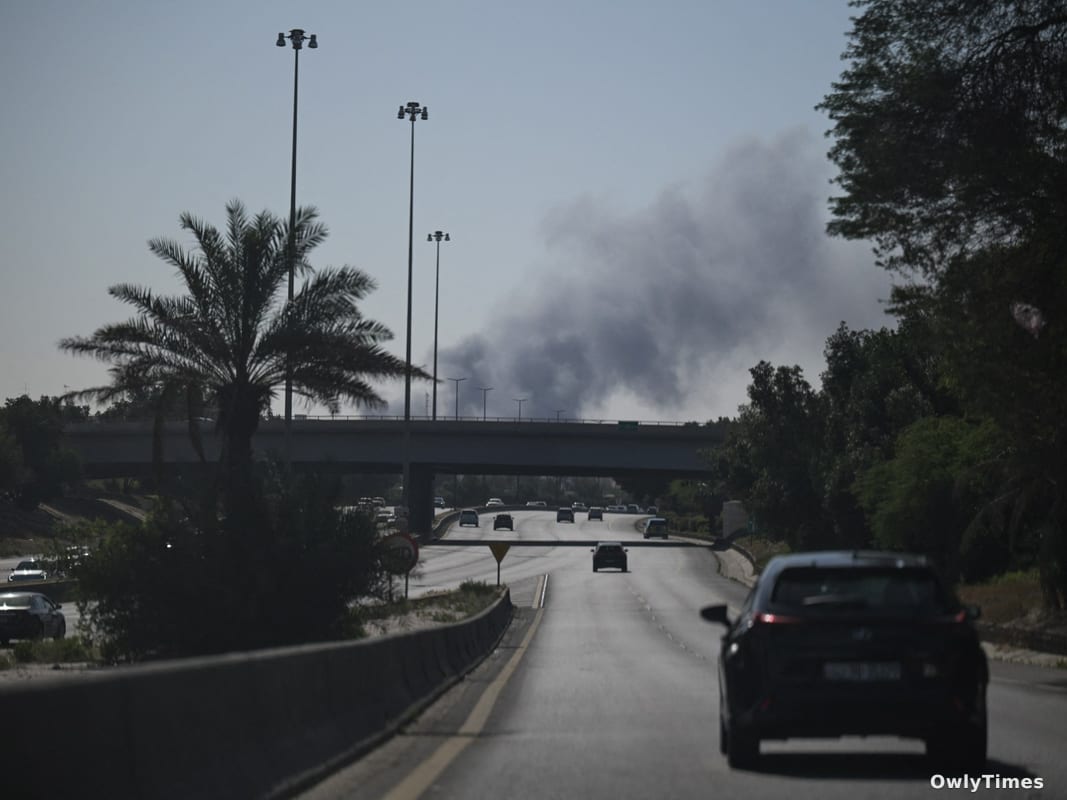
The immediate aftermath reveals a layered response from Iran. The reported death toll – over 20 in Tehran’s Niloofar Square and at least two in Sanandaj – suggests a deliberate targeting of civilian areas, intended to generate domestic outrage and international condemnation. President Trump’s claim of 48 Iranian leaders eliminated, delivered via a Fox News interview, is a classic example of information warfare, designed to project strength and demoralize the Iranian leadership. However, the lack of independent verification and the inherent ambiguity of “leaders” raises questions about the actual impact on Iran’s command structure. The attacks on Gulf nations aren’t simply indiscriminate retaliation; they are carefully chosen strikes against energy infrastructure and maritime traffic, demonstrating Iran’s ability to disrupt global oil supplies and threaten vital economic arteries.
Source material: Al Jazeera.
This pattern echoes the “War of the Cities” during the Iran-Iraq War (1980-1988), where both sides targeted urban centers to break civilian morale. While the scale is currently smaller, the strategic logic is similar: to inflict pain and raise the domestic political costs of continuing the conflict. The fact that Qatar is now deploying fighter planes – escalating from Patriot missile defense systems – to intercept incoming threats over the Gulf waters is a significant indicator of the perceived escalation. The attack on the oil tanker MKD VYOM off the coast of Oman, resulting in at least one fatality, is particularly concerning, as it directly impacts international shipping and raises the specter of a wider maritime conflict. The closure of Jordanian airspace, alongside similar measures in Qatar, demonstrates the ripple effect of the conflict, disrupting civilian air travel and signaling a heightened state of alert.
The international response is fractured, revealing existing geopolitical fault lines. Australian Foreign Minister Penny Wong’s decision not to join the US-Israeli campaign underscores the reluctance of many nations to be drawn into another Middle Eastern conflict. This hesitancy is rooted in a combination of strategic interests and domestic political considerations. The UK’s willingness to allow the use of its bases in Cyprus, despite the subsequent drone strike on Akrotiri, highlights its close alliance with the US, but also exposes its vulnerability to retaliatory attacks. The incident at Akrotiri, while causing “limited damage,” serves as a potent reminder that the conflict is expanding beyond the immediate region. The fact that Prime Minister Keir Starmer framed the UK’s involvement as “defensive” is a crucial rhetorical maneuver, attempting to justify the action to a domestic audience wary of entanglement.
The US response, thus far, has been measured, with Defense Secretary Pete Hegseth’s upcoming press conference representing the first public appearance by a top Trump official since the strikes on Iran. The announcement of three US service members killed in the operation, and Trump’s vow of retribution, signals a hardening of resolve. However, the warning of potential further casualties also suggests an awareness of the risks involved. The situation in Iraq, Syria, Lebanon, and Jordan – with reports of Israeli air raids and Iranian missile debris – demonstrates the potential for the conflict to spill over into already unstable regions. The attacks in Beirut, resulting in dozens of casualties, are particularly alarming, raising the possibility of a wider escalation involving Hezbollah.
The political chess move to watch next isn’t another military strike, but the outcome of Defense Secretary Hegseth’s press conference. Will he articulate clear, achievable objectives for continued military operations, or will he signal a willingness to de-escalate and return to the negotiating table? The answer will reveal whether the US is pursuing a limited, tactical intervention or a broader strategy aimed at regime change – and, crucially, whether it understands the difference between the two.





