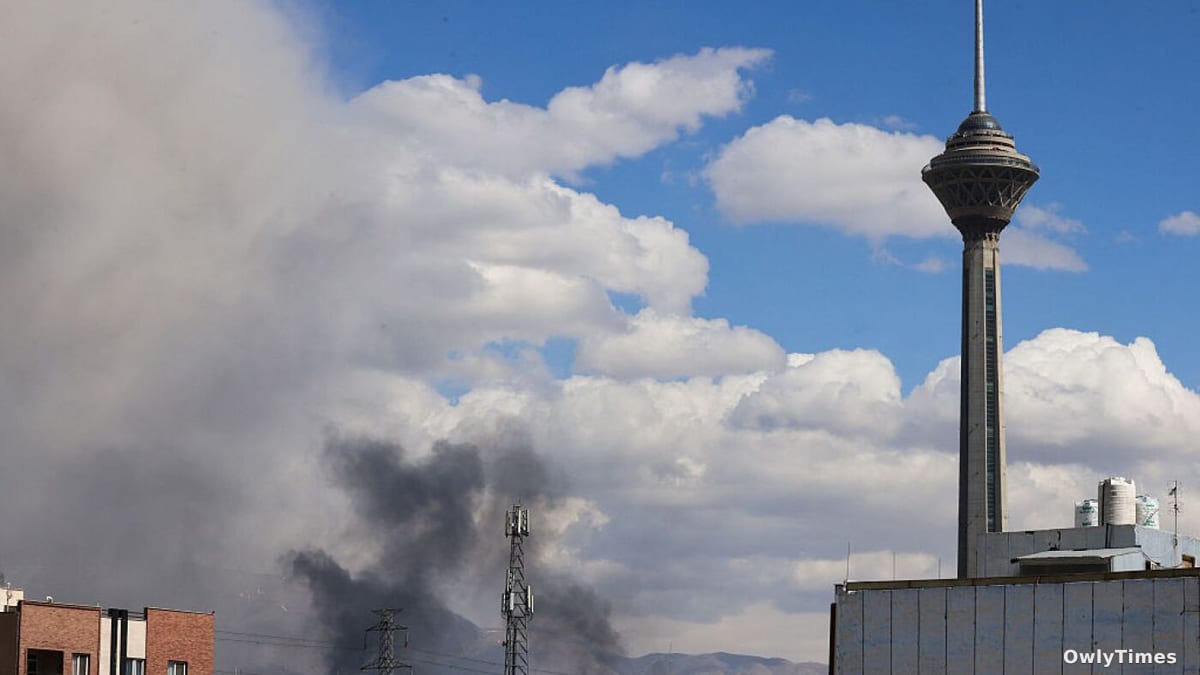

The calculated risk of eliminating Iran’s supreme leader, Ayatollah Ali Khamenei, wasn’t about nuclear proliferation – it was about regime destabilization. The U.S. and Israeli strikes of March 1, 2026, weren’t a sudden escalation, but the culmination of a strategy to exploit existing fissures within Iran, amplified by a deliberately engineered economic crisis. While the stated rationale for potential military action has historically centered on Iran’s nuclear program, the targeting of Khamenei, alongside key military figures like Armed Forces Chief of Staff Abdolrahim Mousavi and Major General Shahid Rezaian, signals a shift towards directly challenging the Islamic Republic’s legitimacy and internal power structures. The immediate aftermath – retaliatory strikes across the region, the closure threats to the Strait of Hormuz, and the targeting of civilian infrastructure in Gulf states – confirms this gamble.
The immediate fallout reveals a clear, if brutal, calculus of “who benefits and who loses.” Iran loses its symbolic and spiritual head, along with significant portions of its military leadership, creating a power vacuum filled by a temporary three-person council. The Iranian populace, fractured by years of economic hardship and suppressed dissent – evidenced by the protests beginning in December preceding the strikes, brutally quelled by security forces – is now facing further instability and the potential for escalated conflict. President Trump’s post-strike pronouncements, urging Iranians to “take back their government,” underscore the intent to leverage internal discontent. Conversely, Israel benefits from the removal of a key adversary and the demonstration of its offensive capabilities, solidifying its regional dominance. The U.S., under the Trump administration, gains a potential foothold for reshaping the regional order, albeit at the risk of wider conflict. Gulf states, however, are immediately exposed, as evidenced by the attacks on Dubai and Abu Dhabi, highlighting their vulnerability despite decades of security arrangements.
This article draws on reporting from NPR.
This moment echoes historical precedents of leadership decapitation strikes, though with a uniquely modern complexity. The 1944 assassination of Heydrich, the “Butcher of Prague,” by the Czech resistance, aimed to disrupt Nazi control and inspire local uprisings. Similarly, the U.S. assassination of Osama bin Laden in 2011 sought to dismantle Al-Qaeda’s leadership and symbolic power. However, unlike those scenarios, the current situation involves a direct attack on the head of a nation-state, with a sophisticated military apparatus and regional proxy network. The key difference is the pre-existing condition of Iran – a nation already grappling with economic collapse, social unrest, and international isolation. The strikes didn’t create the conditions for instability; they exploited them. The admission by U.S. Treasury Secretary Scott Bessent that the U.S. engineered Iran’s financial crisis is a critical detail often absent from conventional reporting, revealing a deliberate strategy of weakening the regime from within.
The reports of celebrations in Tehran, alongside the violent suppression of those celebrations by the basiji paramilitary forces, are particularly telling. The joy expressed by some Iranians, like the woman identified as Roxana, demonstrates a deep-seated desire for change, but also the brutal reality of the regime’s control. This internal division is the core vulnerability the U.S. and Israel are attempting to exploit. The response from Iran-backed groups like Hezbollah in Lebanon and the paramilitaries in Iraq, while initially cautious, represents a significant escalation risk. The Iraqi government’s attempts to barricade the Green Zone and suppress militia activity underscore the delicate balance between maintaining stability and preventing a wider regional war. The air raid sirens in Jordan, a discreet host to U.S. military bases, and the disruption of air travel across the Middle East demonstrate the rapid expansion of the conflict’s geographic scope.
The OPEC meeting scheduled to address potential oil supply disruptions is a critical indicator of the economic fallout. A significant price spike would further destabilize the global economy and potentially trigger a recession, impacting not only the Middle East but also major consumer nations. However, the more immediate political chess move to watch is not the oil markets, but the composition and actions of the three-person temporary leadership council in Iran. Will they prioritize de-escalation and negotiations, or will they succumb to pressure from hardliners within the regime and escalate the conflict? The statement from the Iranian Ministry of Defense promising “no mercy or forgiveness” suggests the latter. The question isn’t if Iran will retaliate further, but how – and whether that retaliation will be directed at military targets or civilian infrastructure, potentially triggering a full-scale regional war.