
The Calculus of Escalation: Trump’s Gambit and the Shifting Sands of Iranian Succession
The timing of President Trump’s confirmation of U.S. involvement in “major combat operations” – delivered immediately following the Israel Defense Forces’ strikes within Iran – wasn’t a spontaneous reaction to civilian protests, but a calculated risk. It signals a deliberate escalation, predicated on the belief that a destabilized Iran, even amidst widespread violence, is strategically preferable to the current regime. This isn’t simply about supporting Iranian dissidents; it’s about leveraging the ensuing power vacuum to reshape the regional balance, a long-held objective of both the Trump administration and key U.S. allies like Israel. The immediate consequence is a surge in volatility, but the underlying calculation suggests a willingness to accept short-term chaos for potential long-term gains.
Original reporting: abc30.com.
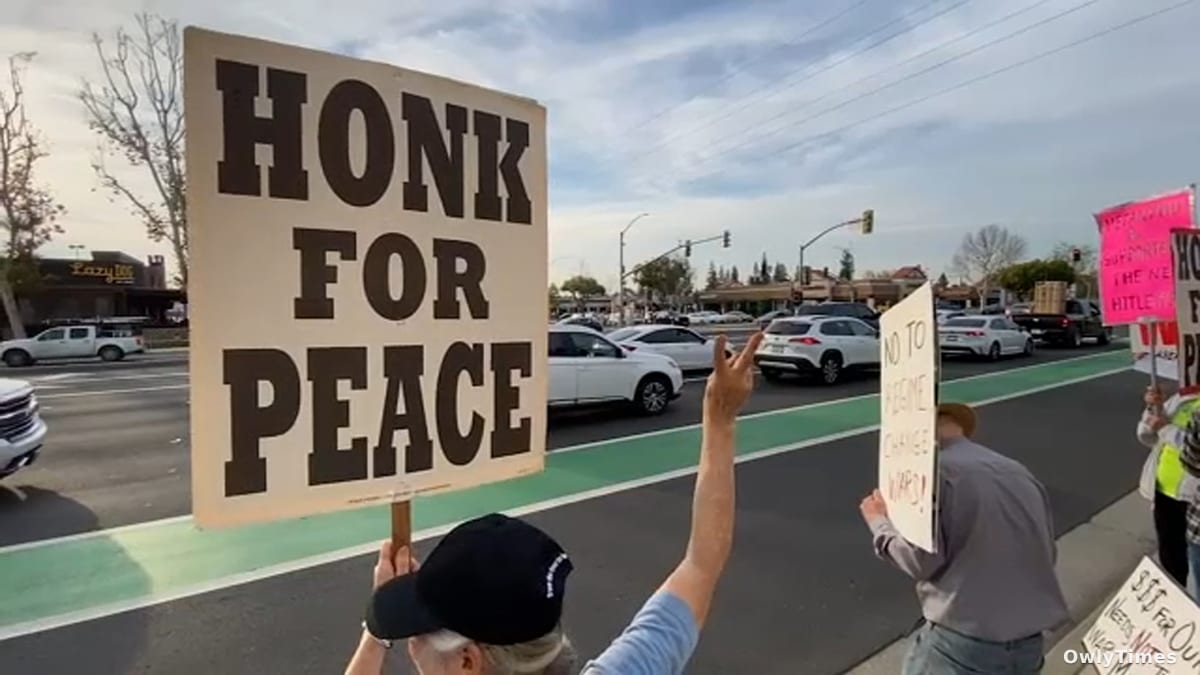
The local response in Fresno, California, as reported by Kerry Mannix of ABC30, offers a microcosm of the national tension. Rabbi Rick Winer’s lament about an “ancient cycle of violence” reflects a weariness with perpetual conflict, a sentiment echoed by Hajj Reza Nekumanesh’s raw emotional plea for an end to war. However, this desire for peace doesn’t negate the strategic logic driving the current escalation. The protests themselves, while expressing genuine concern for both Iranians and American servicemembers – notably, the anguish of Grayson Galimba over a sister stationed in Kuwait – are largely reactive. They highlight the human cost, but don’t alter the fundamental geopolitical calculations at play. The fact that concern extends to American troops stationed in Kuwait, a key staging ground for potential further operations, underscores the widening scope of potential conflict.
This intervention bears a striking resemblance to the post-Saddam Iraq scenario. In 2003, the stated justification for invasion – the removal of a brutal dictator – masked a deeper strategic aim: controlling Iraqi oil reserves and establishing a pro-Western foothold in the region. The subsequent instability, the rise of sectarian violence, and the eventual emergence of ISIS demonstrated the inherent risks of regime change. The current situation in Iran carries the same potential for unintended consequences. Rabbi Winer’s concern about who will replace the slain Supreme Leader is precisely the point. The absence of a clear successor, coupled with deep-seated internal divisions within the Iranian government, creates a fertile ground for radical factions to seize power, potentially exacerbating regional tensions. The stated frustration of “millions of Iranians” with their leadership is a known quantity; whether this translates into a more moderate outcome is far from guaranteed.
Who benefits and who loses from this escalation? Israel stands to gain from the removal of a key adversary, potentially weakening Hezbollah and other Iran-backed proxy groups. The Trump administration, facing domestic political headwinds, can project an image of strength and decisive action. Oil prices, predictably, spiked following the strikes, benefiting energy producers – though the long-term impact on global markets remains uncertain. Conversely, the Iranian people face immediate suffering and the prospect of prolonged instability. American troops in the region are at heightened risk. And the fragile diplomatic efforts to contain Iran’s nuclear program have been effectively shattered. The cost, in terms of human lives and regional stability, is substantial.
The current situation isn’t simply a reaction to Iranian internal affairs; it’s a continuation of a decades-long struggle for regional dominance. The 1979 Iranian Revolution fundamentally altered the power dynamics in the Middle East, challenging U.S. influence and creating a rival power center. Every subsequent intervention – from the Iran-Contra affair to the Iraq War – has been shaped by this underlying rivalry. The question now isn’t whether this latest escalation will succeed in achieving its stated goals, but whether the U.S. is prepared to manage the fallout. The political chess move to watch next isn’t another military strike, but Secretary of State Pompeo’s upcoming meetings with Saudi and Emirati leaders. Their response – and whether they actively support or cautiously distance themselves from the U.S.-backed intervention – will reveal the true extent of the coalition, and the likely trajectory of the conflict.





