
285,000 rials per US dollar is the new anchor for Iran’s essential import strategy, a move that signals a desperate pivot to manage the fallout from a war-torn economy. As Tehran attempts to stabilize its domestic market, the government has authorized the allocation of $3.5 billion from oil and gas proceeds to subsidize the import of wheat, medicine, and baby formula. This rate, established by the cabinet on Sunday, sits in stark contrast to the open-market rate of 1.55 million rials per dollar, highlighting the immense gap between state-controlled pricing and the reality of the country's devalued currency.
Follow the Money: Subsidies vs. Market Reality
The decision to reintroduce a preferential exchange rate marks a significant policy reversal from the budget proposed in late December. At that time, the government aimed to eliminate subsidized currency to combat systemic corruption and curb what it viewed as an opaque, ineffective system. However, the pressure of a sustained blockade and recent US-Israeli attacks has forced a return to state intervention.
Beyond the $3.5 billion allocation, the government is tapping into the National Development Fund of Iran for an additional $1 billion to procure strategic food reserves, including sugar, rice, barley, and red meat. By funneling these funds through a network of trustees, officials are attempting to bypass the volatility of the open market. Yet, the disconnect remains profound: the budget rate itself is set at 1.23 million rials, meaning the state is essentially absorbing the difference between its official valuation and the actual cost of goods to prevent a total collapse in purchasing power.
The Cost of Food Security
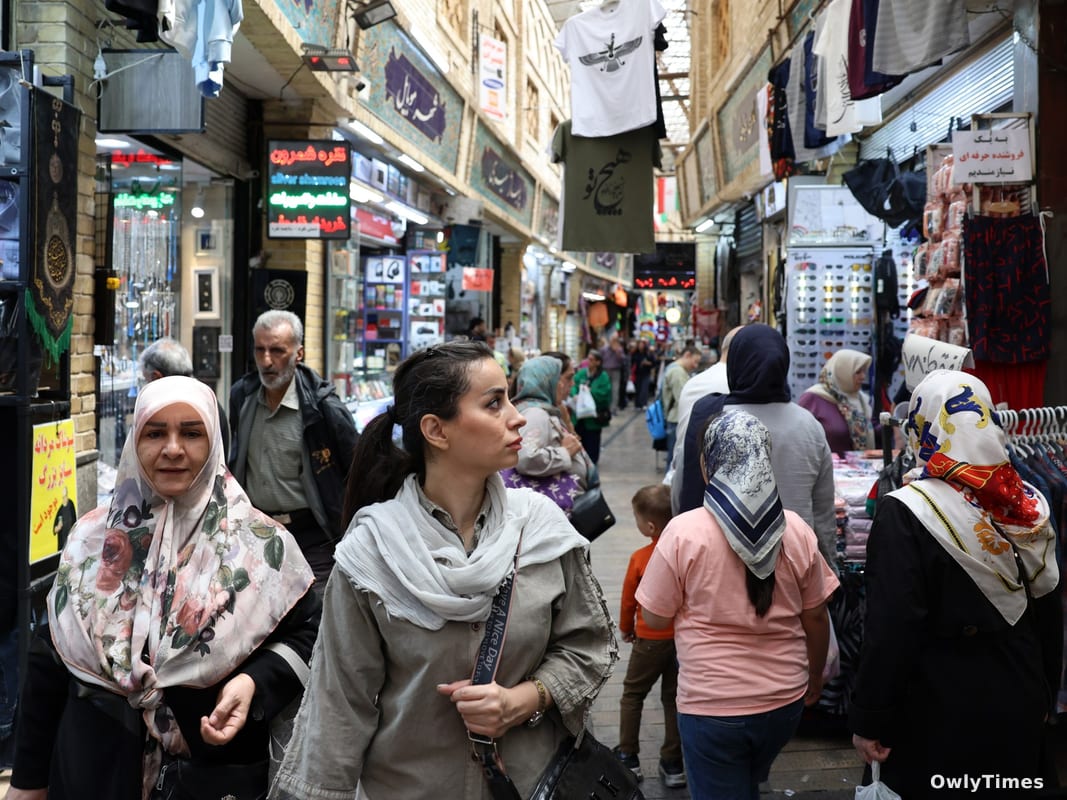
The social impact of these currency fluctuations is becoming impossible to ignore. Yaghoub Andayesh, a deputy at the Ministry of Cooperatives, Labour and Social Welfare, acknowledged that prices for 11 categories of essential goods have been "significantly affected" by previous attempts to float the currency. While the ministry has presented various scenarios to stabilize food security, the current monthly handout remains stagnant at less than $10 per person, a figure that leaves little room for families grappling with some of the world’s highest food inflation rates.
For the average consumer, the shift is not just theoretical. Social media reports, such as those from a user named Hadi, reflect a harrowing reality: the cost of a single meal has climbed to more than six times what it was eight years ago. This inflation, coupled with an internet shutdown that has persisted for nearly two months, has paralyzed thousands of jobs and stifled the ability of the workforce to navigate a crumbling economic landscape.
Managing the Supply Chain Under Fire
The state’s logistics strategy has shifted toward decentralization, with governors of border provinces now empowered to bypass traditional red tape to facilitate imports. With main oil and gas facilities damaged, the government is prioritizing the arrival of empty tankers at Kharg and Jask to sustain the flow of oil revenue that funds these subsidies.
The next reading of the official distribution metrics from the Food and Drug Administration of Iran, which begins its centralized distribution of medical goods in two days, will indicate whether these administrative maneuvers can actually reach the pharmacy shelves or if they will remain merely theoretical figures on a balance sheet. For the Iranian consumer, the takeaway is clear: as long as the state relies on circumventing sanctions to fund basic necessities, access to goods will remain tied to the government’s ability to defend its borders and maintain the flow of oil, rather than the natural health of the broader economy.




