
The air in Antalya, Turkey, hung thick with uncertainty last week, a strange juxtaposition to the electrifying 5-0 rout Iran’s national football team delivered against Costa Rica. It wasn’t just a warm-up match; it was a statement, a defiant act of normalcy played out against the backdrop of escalating conflict. For weeks, the question wasn’t if Iran would compete in the 2026 World Cup hosted in the United States, but how – or even whether they would be allowed to. This isn’t simply a sports story; it’s a pressure test of international diplomacy, a microcosm of geopolitical tensions playing out on a pitch, and a stark illustration of how easily the beautiful game can become entangled in the ugly realities of war.
The crisis began on February 28th, when the US and Israel initiated military action against Iran, immediately throwing the nation’s World Cup participation into doubt. Initial reactions from Tehran were volatile. Government officials floated scenarios ranging from outright withdrawal to demands for FIFA to relocate Iran’s matches to Mexico – a proposition FIFA President Gianni Infantino swiftly and repeatedly dismissed. The situation felt less like logistical planning and more like a nation grappling with the impossible, trying to reconcile national pride with the immediate realities of war. The stakes are enormous: Iran secured its World Cup berth in March 2025 as one of Asia’s top teams, and the tournament represents a rare opportunity for international visibility and soft power.
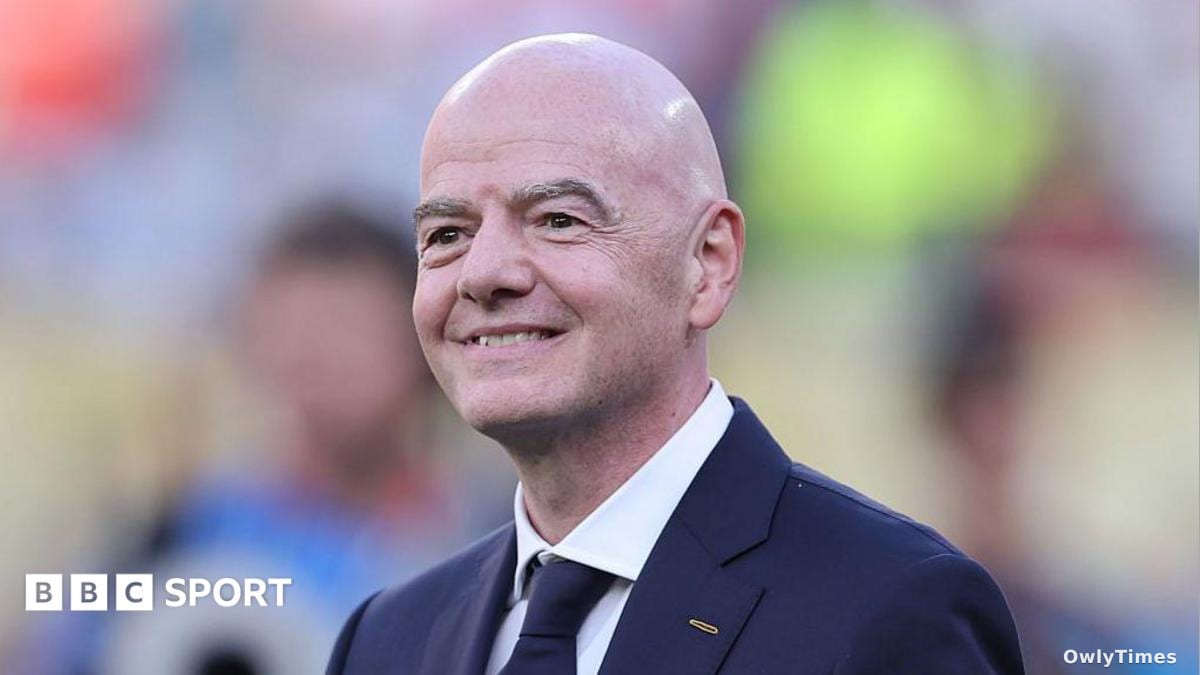
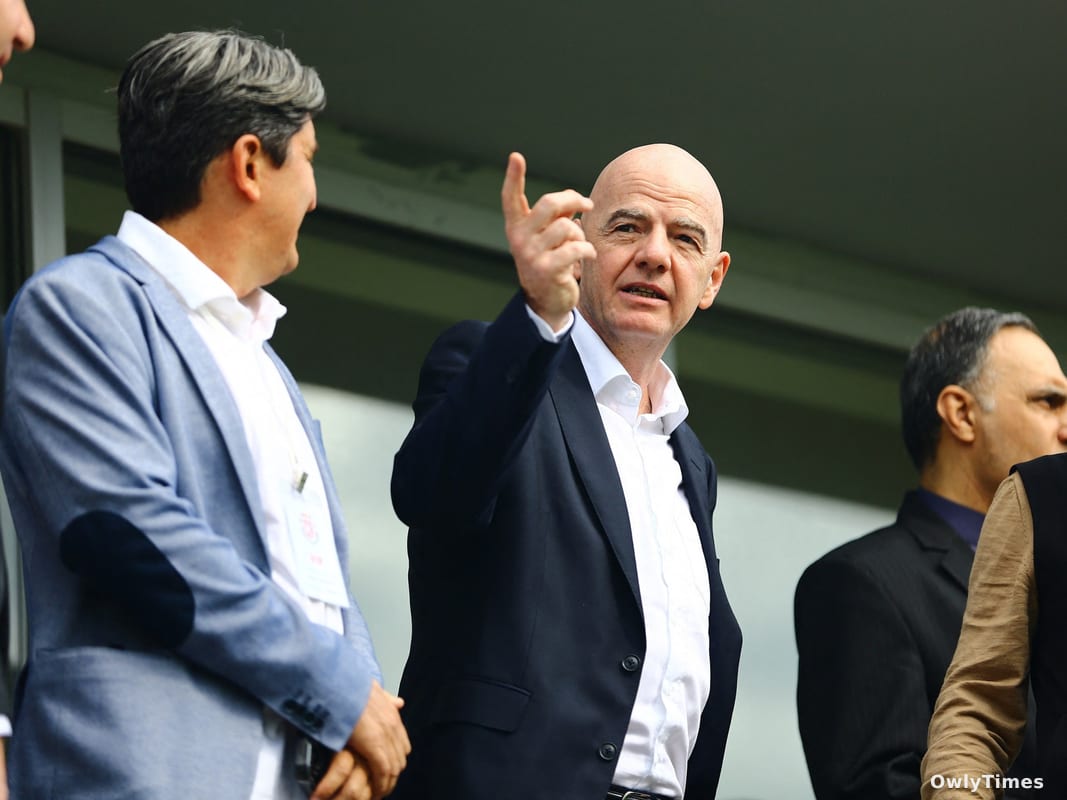
But beneath the surface of political maneuvering, a more subtle drama was unfolding. While headlines screamed of potential boycotts and venue changes, the logistical wheels were quietly turning. Infantino’s recent face-to-face meeting with Iranian football federation officials in Turkey marked a turning point. The federation’s optimistic readout, while pointedly avoiding any mention of Mexico, signaled a willingness to engage and a potential path forward. Crucially, Infantino offered concrete assistance with preparations, recognizing that the shutdown of the Persian Gulf Pro League – Iran’s domestic football league – had left players severely lacking in competitive match fitness. This isn’t just about keeping a schedule; it’s about acknowledging the unique challenges facing a team navigating wartime conditions.
Drawn from Al Jazeera.
The “stick to the schedule” mantra emanating from FIFA, while often criticized as tone-deaf, reflects a calculated risk. Shifting games to Mexico, as some suggested, would have triggered a cascade of logistical and financial nightmares. With approximately 200,000 tickets already sold for Iran’s matches against New Zealand, Belgium, and Egypt in Los Angeles and Seattle, a venue change would have exposed FIFA to massive compensation claims from fans, broadcasters, and sponsors. Beyond the financial implications, it would have set a dangerous precedent, potentially opening the door to political interference in future tournaments. The economic realities of a global sporting event are often overlooked in discussions of geopolitical strategy, but they are a powerful force in shaping outcomes.
However, the path to June remains fraught with obstacles. The Iranian team’s protest during the national anthems in Antalya – displaying children’s backpacks and photos of war victims – underscores the emotional weight carried by these players. The absence of star striker Sardar Azmoun from the squad, reportedly due to a social media post deemed politically sensitive, highlights the constraints imposed on athletes operating within a complex political landscape. These aren’t simply football decisions; they are reflections of a nation grappling with internal pressures and external conflicts. The fact that the games were played behind closed doors, mirroring a similar precaution taken before the 2022 World Cup to avoid potential protests broadcast back home, speaks volumes about the sensitivity of the situation.
The most persistent hurdle remains visa access for Iranian officials. Several members of the Iranian delegation were denied visas to the US during the World Cup draw in December, a problem that hasn’t been resolved. This isn’t merely a bureaucratic inconvenience; it’s a symbolic barrier that underscores the deep-seated mistrust between the two nations. While Infantino has publicly expressed confidence that Iran will participate, the underlying tensions remain palpable. The Arizona training camp, at the Kino Sports Complex in Tucson, is preparing for the team’s arrival no later than June 10th, but the official line remains cautiously optimistic, acknowledging the lack of “official updates” regarding Iran’s plans.
Beyond the headlines, this situation reveals a broader trend: the increasing politicization of sports. From boycotts to protests to diplomatic interventions, the lines between athletics and international relations are becoming increasingly blurred. FIFA’s delicate balancing act – attempting to maintain the integrity of the tournament while navigating a complex geopolitical crisis – is a testament to the challenges facing sporting organizations in the 21st century. The question now isn’t just whether Iran will play in the World Cup, but what message will be sent if they do, and what precedent will be set for future conflicts. Will the world allow sport to be a space for dialogue and connection, even amidst war, or will it succumb to the pressures of political division? That’s the game everyone is watching.