
Beyond the Headlines: What Expedition 74 Reveals About the Future of Long-Duration Spaceflight
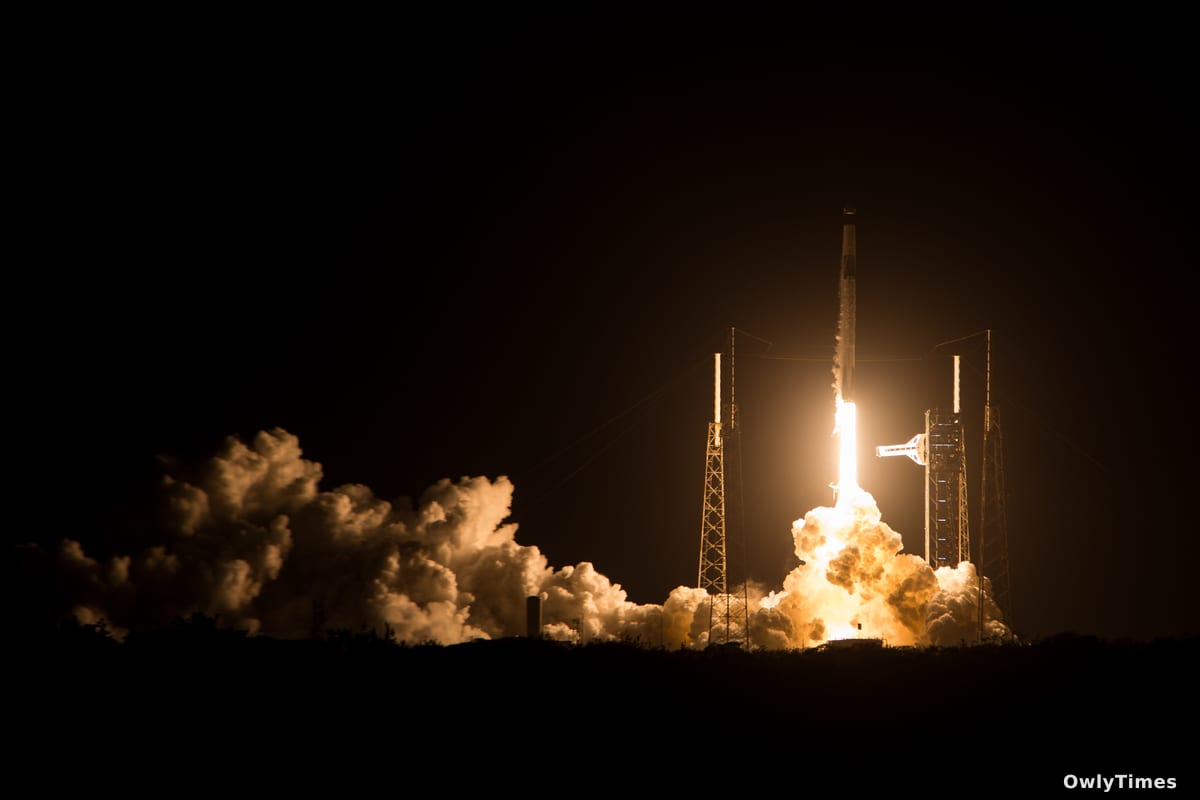
The arrival of the SpaceX Crew-12 mission at the International Space Station (ISS) on February 13th isn’t simply another crew rotation; it’s a crucial data-gathering opportunity as humanity inches closer to sustained presence beyond Earth orbit. While initial reports focus on the successful docking and the resumption of research, the real story lies in how this crew – Jessica Meir and Jack Hathaway of NASA, Sophie Adenot of ESA, and Andrey Fedyaev of Roscosmos – will contribute to solving the complex physiological and logistical challenges of long-duration spaceflight. The ISS isn’t just a laboratory in space, it’s a laboratory for space, and Expedition 74 is a key experiment in preparing for missions to the Moon, Mars, and beyond.
The seven-member Expedition 74 crew is now fully operational, and the initial tasks are deceptively mundane: unpacking cargo, familiarizing themselves with station systems. However, this acclimatization period is vital. It’s easy to overlook the sheer complexity of the ISS – a constantly evolving patchwork of international contributions and experimental setups. Chris Williams, who arrived in November, is currently dedicating significant time to onboarding Crew-12, a process that underscores the steep learning curve for even experienced astronauts. This isn’t about simply learning where the coffee machine is; it’s about understanding the intricate interplay of life support systems, power management, and emergency protocols in a completely alien environment. The efficiency of this handover directly impacts the amount of time available for dedicated research.
This piece references the nasa.gov report.
Several early experiments highlight the specific challenges Expedition 74 aims to address. Meir’s work with the Microgravity Science Glovebox, focusing on cryogenic fuel evaporation, is particularly relevant. As space missions extend, the reliable storage of propellant becomes paramount. Current methods rely on venting evaporated fuel, a wasteful process. Understanding and mitigating this evaporation – and potentially capturing and reusing the propellant – could dramatically reduce mission costs and increase range. Similarly, Hathaway’s preparation of equipment to monitor body temperature adaptation to microgravity speaks to a fundamental problem: the human body isn’t designed for weightlessness. The subtle but significant shifts in thermoregulation, cardiovascular function, and bone density require constant monitoring and countermeasures.
The inclusion of Adenot and Fedyaev also introduces important nuances to the research agenda. Adenot’s work on in-space pharmaceutical manufacturing, coupled with musculoskeletal monitoring during exercise, points towards the goal of self-sufficiency in long-duration missions. The ability to produce medication on demand, tailored to individual crew member needs, would be a game-changer. Fedyaev’s second trip to space, following his Expedition 69 mission in March 2023, provides a unique opportunity to study the effects of repeated exposure to microgravity. This is critical for understanding the potential for adaptation – or maladaptation – over multiple long-duration flights, a scenario likely for future lunar and Martian explorers. The fact that he’s focusing on balance, cognition, and breathing suggests researchers are looking beyond the well-documented physical effects of spaceflight to the more subtle, but equally debilitating, neurological impacts.
The Hidden Threat of Microbial Growth and the Promise of AI
Beyond the human body, maintaining a sterile environment within the ISS is a constant battle. Williams’ investigation into using ultraviolet light for spacecraft disinfection is a proactive measure against microbial growth, which can compromise both crew health and the integrity of sensitive equipment. The closed environment of the ISS, coupled with the stress of spaceflight, creates ideal conditions for opportunistic pathogens. While seemingly a housekeeping task, this research has implications for planetary protection – preventing the contamination of other celestial bodies with Earth-based microbes. Furthermore, Sergei Mikaev’s exploration of artificial intelligence-assisted tools to boost crew efficiency is a forward-looking initiative. The sheer volume of data generated by the ISS, and the complexity of its operations, demand intelligent automation to free up crew time for critical tasks and reduce the risk of human error.
Limitations to Consider
It’s important to note that the data collected during Expedition 74 will be subject to the inherent limitations of a single study environment. The ISS is a unique, highly controlled setting, and results may not perfectly translate to the conditions of a deep-space mission. The crew is also a relatively small sample size, limiting the statistical power of some findings. Moreover, the international collaboration, while a strength, introduces logistical complexities and potential variations in research protocols. Finally, the focus on immediate operational needs sometimes necessitates prioritizing short-term experiments over long-term, fundamental research.
The next crucial step will be analyzing the data collected by Expedition 74 and integrating it into existing models of human spaceflight. Specifically, researchers will need to determine whether the countermeasures being tested – exercise regimens, dietary adjustments, pharmaceutical interventions – are truly effective in mitigating the long-term effects of microgravity. But perhaps the most important question is this: as we prepare for missions lasting years, not months, how do we design spacecraft and operational protocols that proactively address the psychological and social challenges of prolonged isolation and confinement? The success of future missions may depend less on technological breakthroughs and more on our ability to create a sustainable and supportive environment for the humans who will venture into the unknown.





