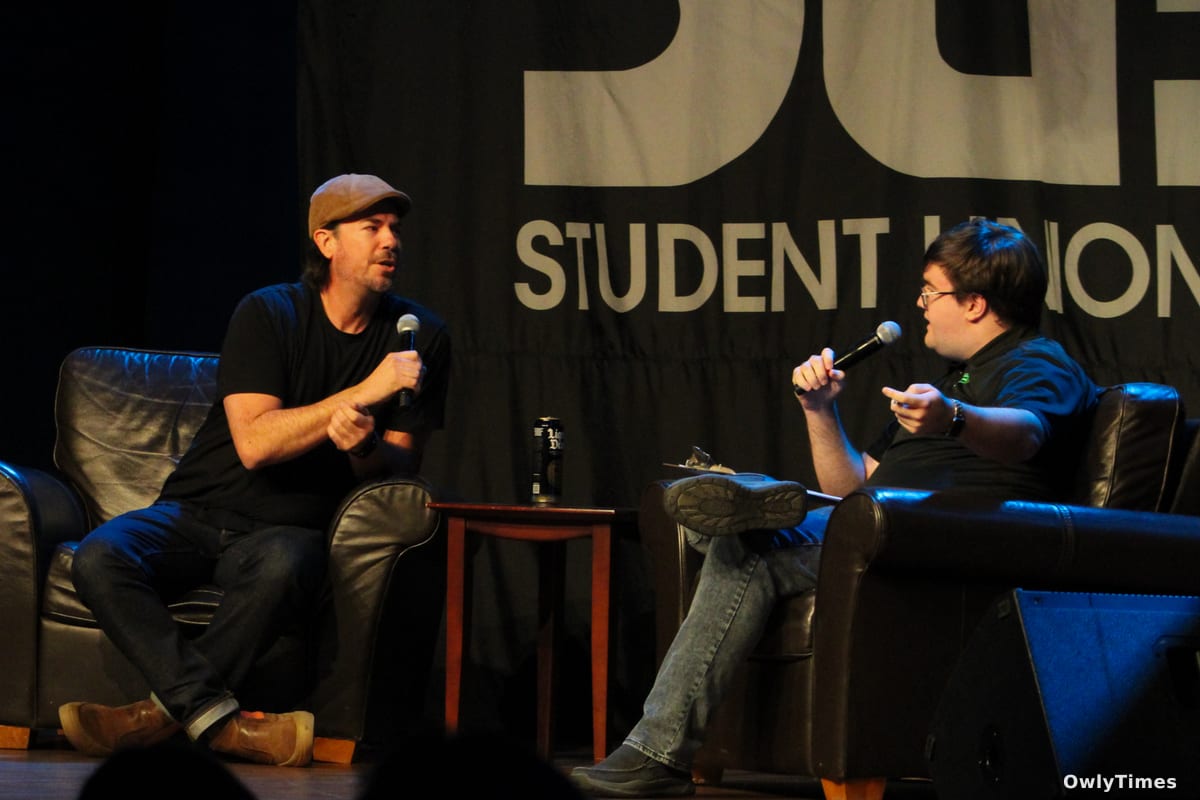

The Durham Great Hall buzzed with a nervous energy on January 31st, not from anticipation of a lecture, but from the promise of controlled chaos. Jerry Trainer, a name largely unknown outside of Iowa State University’s improv circles, was recounting to Alex Brown how a whim – signing up for a slot at ISU AfterDark – launched his performance career. It’s a story that encapsulates something bigger than a single student’s trajectory: the evolving role of the university as a proving ground for digital-age creatives, and the quiet revolution happening in campus entertainment. This Friday, February 7th, ISU AfterDark returns, bringing with it not just a night of substance-free fun, but a microcosm of the shifting landscape of how young audiences consume and become entertainment.
ISU AfterDark, now a staple of Iowa State life, isn’t just about providing an alternative to the typical Friday night. President Michael Farmer, a junior in computer engineering, frames it as a deliberate counter-programming effort: “It’s a free event for ISU students and their guests…designed to give students something to do on some evenings.” But the “something” has become increasingly sophisticated. While free Panda Express (a reliably swift sell-out, Farmer admits) and campus club-sponsored activities like M-Shop Karaoke and a Cardinal Space Mining Club-led catapult building workshop still draw crowds, the headliners signal a clear ambition. This semester’s lineup – top-ranked comedy duo Mission IMPROVable at 9 p.m. and YouTube star Matthew “MatPat” Patrick at 11 p.m. – isn’t aiming for a casual audience; it’s courting a generation fluent in viral content and online personalities.
Source material: iowastatedaily.com.
The choice of MatPat is particularly telling. He’s not a traditional celebrity, but a digital native who built a multi-million dollar media empire – the Game Theory and Food Theory channels boast a combined 8.3 million subscribers – by dissecting pop culture through analytical video essays. His presence speaks to a broader trend: the diminishing relevance of traditional gatekeepers in entertainment. Where once aspiring performers needed network television or record labels, platforms like YouTube and TikTok now offer direct access to audiences, and ISU AfterDark is increasingly positioning itself as a launchpad for that connection. The event’s $3,803 fundraising goal, aiming to offset costs for equipment and student journalist support, underscores the investment in cultivating this new breed of campus creator. Compared to the Iowa State Daily’s overall budget of $10,000, even a modest fundraising success demonstrates a commitment to supporting student-led media production.
Beyond the headliners, the event’s structure actively encourages cross-pollination between academic clubs and student organizations. Farmer emphasizes the desire to “collaborate with clubs and really connect with other student organizations,” offering space for everything from Tango lessons sponsored by the Tango Social Club to a “Connections” Student Art Exhibit. This isn’t simply about filling the Memorial Union with activity; it’s about fostering a campus culture where creativity isn’t confined to designated departments. It’s a recognition that the next viral sensation might emerge from a collaboration between the International Student Council’s Henna Workshop and the Stand-Up Comedy Club. The limitations – two non-student guests per student, no bags allowed in the Great Hall – are less about security and more about managing the inevitable surge in demand.
But the success of ISU AfterDark also highlights a tension inherent in the modern university experience. While institutions increasingly tout their commitment to student well-being and providing enriching extracurriculars, funding for these programs often remains precarious. The reliance on fundraising, even for a relatively modest event, underscores the gap between aspiration and resources. Furthermore, the focus on “substance-free” entertainment, while laudable, can feel like a tacit acknowledgement of the pressures students face and the limited options available for safe, engaging social activities. Is ISU AfterDark a genuine celebration of student creativity, or a carefully curated distraction from deeper systemic issues?
The real question isn’t whether Mission IMPROVable will get laughs or if MatPat will draw a crowd. It’s whether ISU AfterDark can evolve beyond being a single night of entertainment and become a sustainable ecosystem for student creators, a place where a chance encounter – like Jerry Trainer’s initial foray into improv – can genuinely launch a career. Will Iowa State, and other universities, recognize the value of investing in these emerging digital platforms and the students who are shaping them, or will they continue to treat campus entertainment as an afterthought? The answer will reveal a lot about how higher education is adapting to the realities of the 21st-century creative economy.