
If you think the current wave of generative AI is just about stuffing more pixels into a frame or automating the drudgery of rotoscoping, you’re missing the forest for the server farm. We are currently witnessing a shift that mirrors the transition from silent film to "talkies," yet the industry remains obsessed with the wrong metrics.
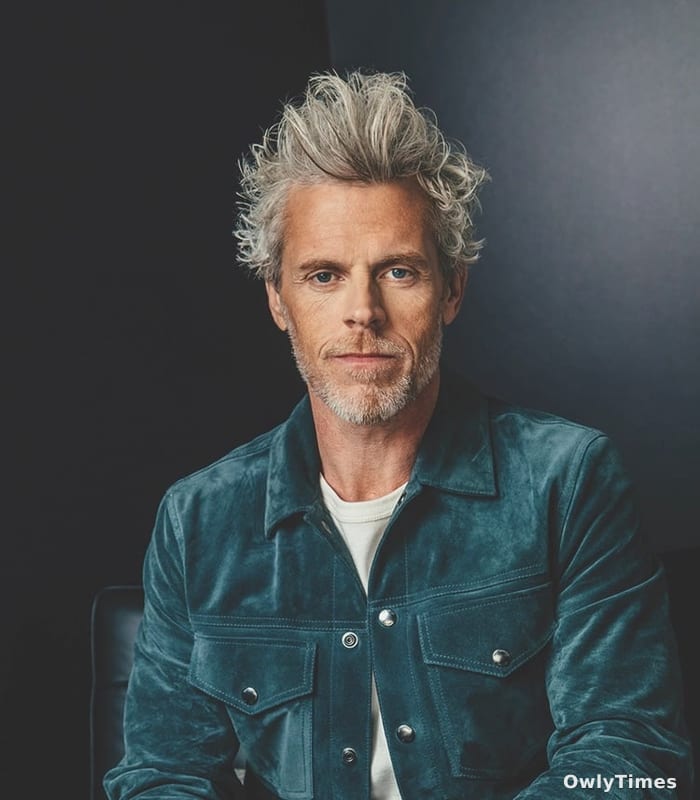
The real story here isn’t the technical wizardry of image synthesis—it’s the fundamental restructuring of the creative pipeline itself. Enter Jamie Byrne, the co-founder, president, and chief operating officer of Promise. His company is framing artificial intelligence not as a replacement for the writer’s room, but as a studio-scale engine for reimagining how artists build films, series, and entirely new forms of entertainment.
From Newspaper Routes to Silicon Valley Suites
It is a long road from a first job as a newspaper delivery boy to the C-suite of an AI storytelling venture, but Byrne’s career trajectory offers a roadmap for how we got here. Before Promise, he served as a high-level executive at YouTube, where he was instrumental in launching the platform’s first revenue-sharing program. That program was the bedrock of the modern creator economy, effectively turning hobbyists into full-time professionals by aligning their output with global distribution.
Byrne holds a bachelor’s degree from Rutgers College, and he often cites Clayton Christensen’s The Innovator’s Dilemma as his favorite book. This choice is telling; it suggests that he isn’t interested in incremental upgrades to traditional filmmaking. Instead, he is looking at how disruptive technologies dismantle incumbents from the bottom up, just as Christensen famously documented.
The Friction Between Silicon and Cinema
The central tension in Hollywood right now is whether technology is a tool to empower the artist or a mechanism to dilute the craft. Byrne seems to lean toward a synthesis of the two, guided by the John Lasseter quote he keeps close: “Art challenges technology, and technology inspires the art.”
For the ordinary user, this means the barrier to entry for high-end storytelling is collapsing. If you have spent your life watching streaming platforms, you are accustomed to the polished, top-down output of massive studios. Promise is betting that the future involves a more fluid, AI-assisted model where the distance between a compelling idea and a serialized series is measured in compute cycles rather than multi-million dollar production budgets.
Where the Creative Capital Flows
Whether you’re dining at San Vicente in Santa Monica for business or grabbing a casual bite at RVR in Venice, the chatter in the industry is the same: how do we leverage these new tools without losing the soul of the story? It is an existential question that has dogged the industry since the first camera shutter clicked.
Byrne’s work with Action Bequia, his favorite charity, hints at a focus on community and long-term impact rather than just the quarterly tech cycle. He isn't looking to sell a software suite; he is looking to build a new category of entertainment studio. We are moving toward a period where the next hit series might be born from an AI-augmented studio rather than a traditional soundstage. The next reading of the industry’s adoption rate for AI-integrated creative tools will show whether Promise is leading a revolution or just refining a toolset.