
Is the modern tech landscape just a high-stakes version of a legacy act trying to prove it still has the "flow"? When we watch industry giants pivot from their original, scrappy blueprints to become billion-dollar monoliths, we’re essentially witnessing the same struggle for relevance that defines the greatest careers in hip-hop.
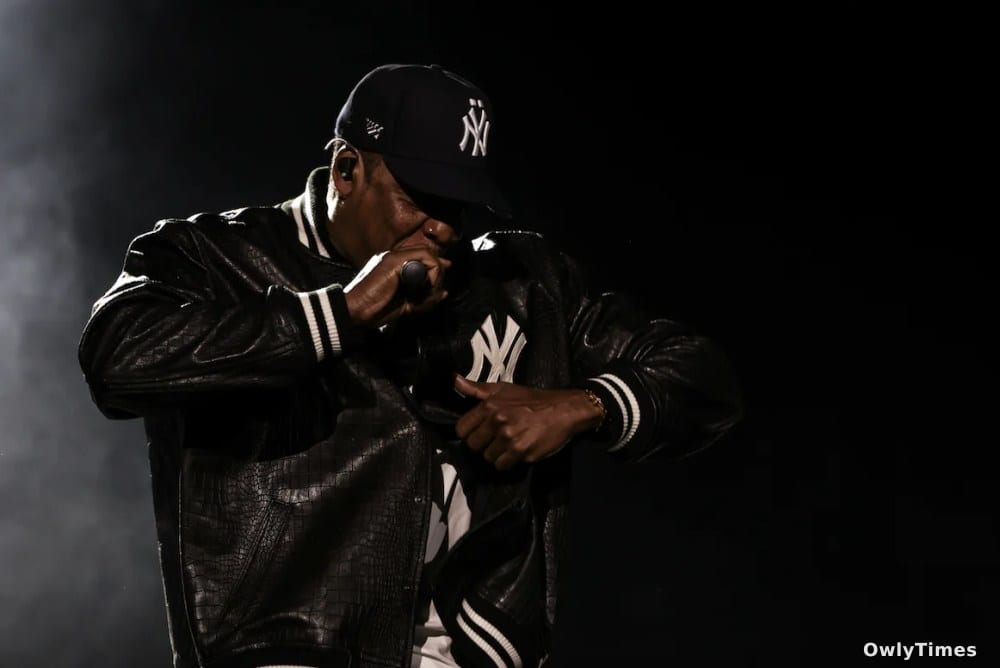
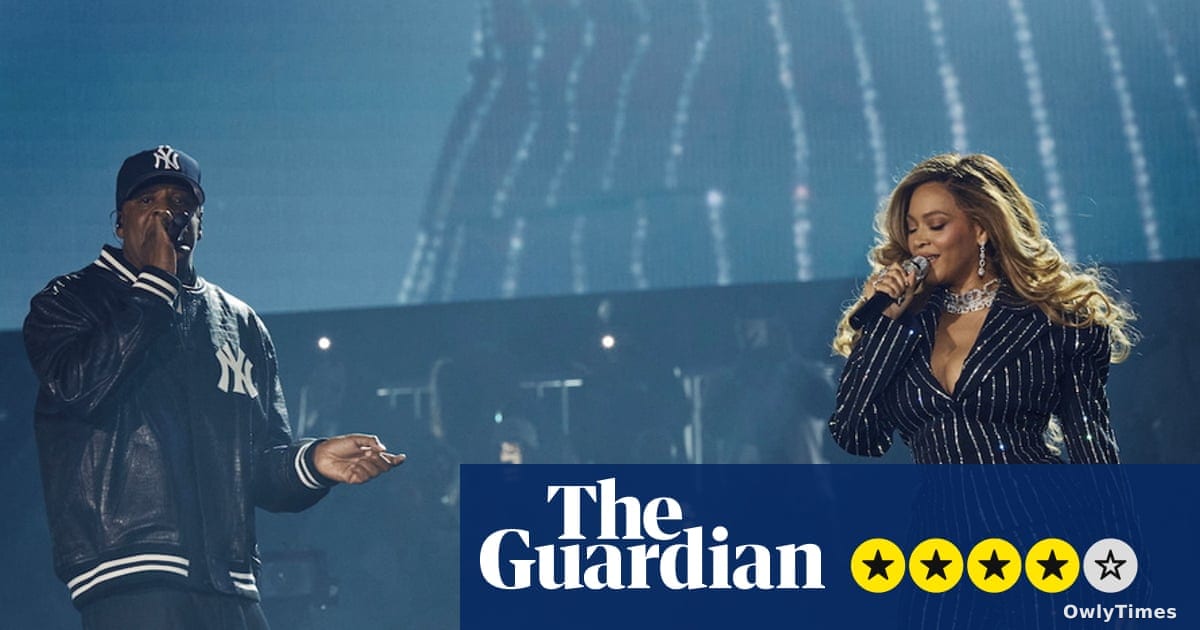
The real story here isn't just the spectacle of a sold-out concert series — it’s the way Jay-Z is currently using three nights at Yankee Stadium to demonstrate that even for a billionaire, the only way to maintain cultural capital is to constantly re-litigate your own origins. According to The Guardian, the rapper took the stage on July 10, 2026, to perform his 1996 debut, Reasonable Doubt, in its entirety. This kicked off a three-night residency that Rolling Stone confirms was marked by massive logistical friction, as local traffic was paralyzed across the Grand Concourse and 161st Street before the first note was even played.
The Architecture of a Legacy
To understand why this matters for the average user, consider the tech world’s obsession with "version 1.0." Just as software developers struggle to update legacy code without breaking the core functionality, Jay-Z’s performance was an exercise in balancing nostalgia with modern polish. While The Guardian notes the intimacy of the 50,000-capacity venue, Rolling Stone reports that the night felt like a "gladiator stadium," bolstered by high-production visuals including footage of his wife, Beyoncé, cutting his hair.
The integration of tech-forward visuals—screens showing presidential funerals and cinematic montages—served as the backdrop for a career retrospective that feels eerily similar to how a platform like a major social media network tries to keep users engaged by resurfacing "memories" while pushing new, often polarizing, features. Just as a buggy update can alienate a loyal user base, the show had its awkward moments. The Guardian points out that Blue Ivy Carter playing piano while her father performed a sanitized, clean version of his grittier tracks felt like a clash between his corporate reality and his street-hustler roots.
When the Roadmap Changes
The transition from night one to night two highlights a pivot that would make any product manager sweat. While the first night was a strict adherence to the Reasonable Doubt roadmap, Billboard reports that the second show, held on July 11, 2026, completely shifted focus to his 2001 album, The Blueprint. This wasn't just a setlist change; it was a total system reboot.
While the first night featured guests like Nas, Alicia Keys, and Memphis Bleek to ground the performance in 90s-era nostalgia, as noted by Rolling Stone, the second night utilized a different suite of "features." Billboard details that the second performance brought out Slick Rick, Pharrell, and Eminem—the latter of whom surprised the crowd with his own hit, "Lose Yourself." For the casual fan, these guest spots function exactly like third-party integrations: they are designed to add value, generate buzz, and keep the ecosystem feeling fresh, even if the core product is decades old.
The Cost of Staying Relevant
There is a distinct tension between the "hustler" origin story and the "billionaire" reality, a friction that was palpable throughout the weekend. Jay-Z himself acknowledged the transformation during the first night, telling the crowd, "This album did 45,000 first week. Sold out Yankee Stadium. Culture. Always. Wins," according to Rolling Stone.
That 45,000-unit figure is the key performance indicator of his early success, and his ability to leverage that into a stadium-sized event is the ultimate testament to his brand’s durability. Yet, as The Guardian observes, when he attempted to freestyle about "social media activists" a cappella, the reception was mixed, suggesting that even the most successful figures can lose their connection to the current user base when they step outside their core competency.
The final signal to watch is the third and final night of this residency. With two nights of drastically different thematic focuses already in the books, the industry is waiting to see if the final performance will attempt to unify these disparate eras or offer a glimpse into a new direction. The event serves as a reminder that in both music and tech, the most successful entities are those that can effectively monetize their own history while convincing the audience that the best is still yet to come.