
Is the "World Cup effect" on local economies just as performative and fragile as the software stacks that keep our digital lives running? We’re told that major global events—like a massive tech rollout or a FIFA tournament—guarantee a windfall, but the reality on the ground often reveals a glitchy user experience that leaves the average person paying the bill for someone else’s hype.
The real story here isn't just the U.S. Men's National Team’s 4-1 exit from the World Cup at the hands of Belgium this Monday; it’s the disconnect between the "boom town" narrative sold to local businesses and the messy, unpredictable reality of hosting a global event in a volatile geopolitical climate.
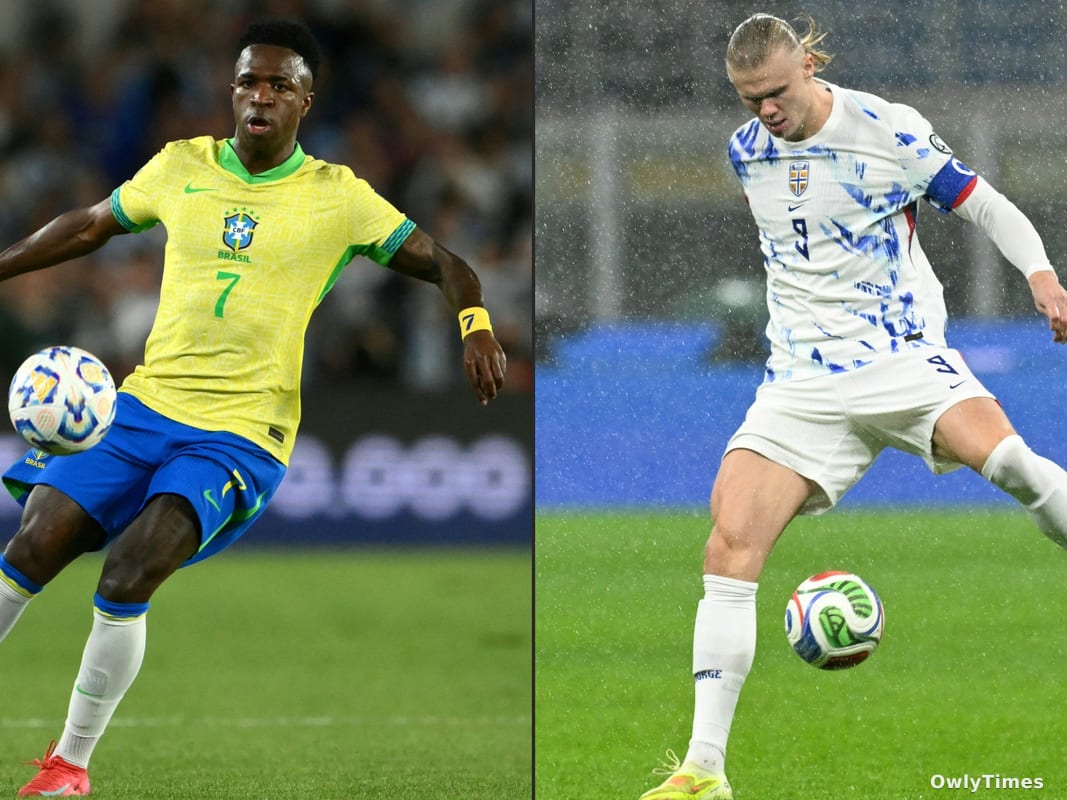
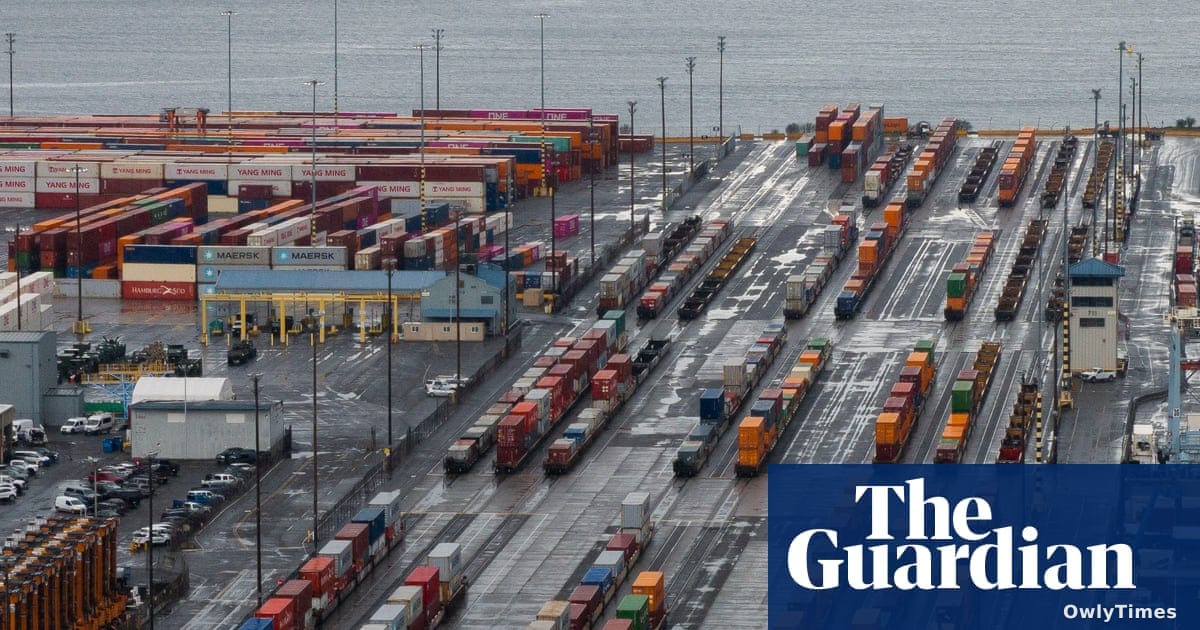
While the CBS News report focuses on the tactical collapse of the Americans—highlighting the 56th-minute defensive blunder by goalkeeper Matt Freese that allowed Hans Vanaken to score—the broader economic picture in Seattle suggests the tournament’s promise was built on shaky infrastructure. The Guardian reports that despite initial projections of $929 million in economic activity, the regional tourism board Visit Seattle quietly revised that estimate down to $845.6 million.
This discrepancy isn't just a rounding error; it’s a symptom of a "peak and valley" economy. NPR confirms that the U.S. squad faced heavy pressure from the jump, with Belgian forward Charles De Ketelaere netting two first-half goals. Yet, for business owners like Vince Vu, the owner of Anh Ơi Bake Shop, the tournament’s arrival felt less like a surge and more like a service outage. Vu, who was encouraged by consultants to double his inventory and staff, reported that his business saw only a quarter of its normal sales during the U.S.-Australia match.
The data on whether the tournament actually brought in crowds is as fragmented as a corrupted database. The Guardian notes that Bloomberg previously cited Sojern data suggesting Seattle might be the only U.S. host city to see a year-over-year decline in flight bookings. Conversely, Perry Cooper, a spokesperson for Seattle’s primary airport, claimed a 3% increase in travelers since the tournament began. Even if the foot traffic is higher, it isn't translating to universal success. Short-term rental owner Marlow Harris told the publication she has seen a 30% hit to her business, blaming a mix of geopolitical tensions and the "artificial scarcity" created by FIFA’s bulk hotel bookings.
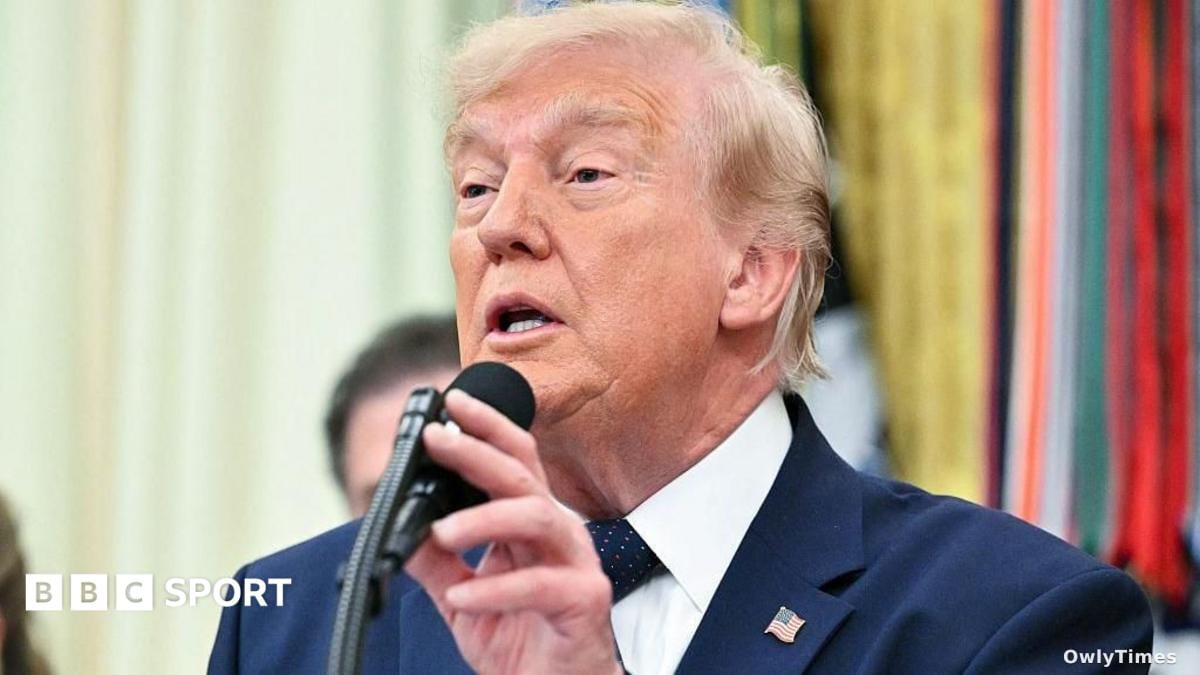
The match itself mirrored these systemic issues: high expectations met with a stark, inefficient reality. Despite the U.S. team’s star-studded lineup and the unprecedented intervention by President Trump, who reportedly called FIFA president Gianni Infantino to help lift a red-card suspension on lead scorer Folarin Balogun, the team failed to capitalize. Even with the controversy and the "full strength" squad, NPR notes the U.S. was never a true contender.
We are left with a team that couldn't convert on the pitch and a city that couldn't convert on the promise of a fiscal windfall. The signal to watch now is the upcoming quarterfinal match on Friday in Inglewood, California, where Belgium will face Spain. For Seattle’s business owners, however, the "boom" is already a legacy system being decommissioned, as they wait to see what remains once the final FIFA banners are hauled away.