
Is it possible for a piece of software—or in this case, a 30-year-old hip-hop record—to scale from a niche experiment into a cultural infrastructure?
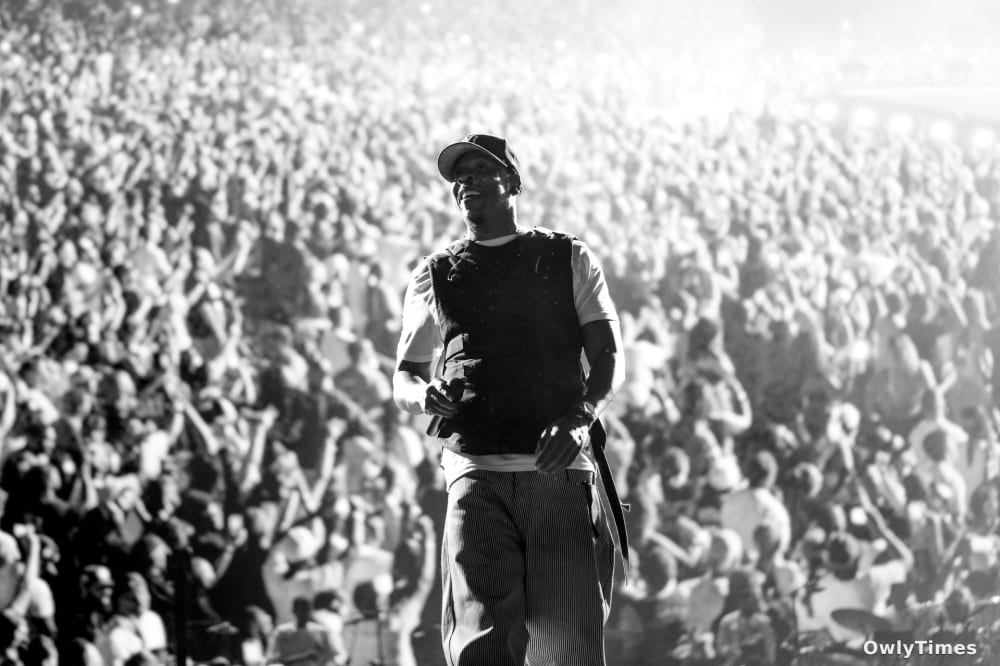
The real story here isn’t the star-studded guest list at Yankee Stadium on Friday night; it’s the fact that Jay-Z is successfully treating his debut album, Reasonable Doubt, like a legacy software platform that requires constant updates to stay relevant in the modern ecosystem. While the headlines focus on the spectacle of the event—which Variety notes was the first of three scheduled performances—the performance served as a live demonstration of how to maintain brand equity over three decades.
The Hardware of Hip-Hop Nostalgia
When Jay-Z stepped onto the stage, he wasn’t just performing tracks from 1996; he was performing a system migration. According to Rolling Stone, the rapper reminded the sold-out crowd that his debut album initially moved only 45,000 units in its first week, a stark contrast to the massive scale of a sold-out Yankee Stadium. He framed this growth as a triumph of culture, effectively using the stadium as a "proof of concept" for the longevity of his catalog.
The technical execution of the night relied on what amounted to "versioning" his old hits. Billboard reports that the setlist was a seamless mash-up of eras, blending the original Reasonable Doubt sequences with modern collaborators and unexpected pivots. This wasn't just a concert; it was an integration of legacy assets—like the inclusion of former rival Nas—into a contemporary, high-fidelity experience.
User Experience and Ecosystem Integration
For the ordinary user in the stands, the event felt less like a static playback of old music and more like an interactive, living product. Beyoncé’s appearance to handle Mary J. Blige’s iconic hook on "Can’t Knock the Hustle" functioned like a high-profile feature update, replacing original hardware with modern, high-performance components. Variety notes that the sheer shock of her appearance upfront, rather than as a traditional encore, signaled that the "user journey" of this concert was designed to disrupt expectations.
The "generational bridge" mentioned by Variety—Blue Ivy Carter playing piano for "Feelin’ It"—acts as the ultimate "onboarding" feature for a younger demographic. By integrating family members and industry legends like Jaz-O and Memphis Bleek, Jay-Z is effectively expanding his ecosystem, ensuring that the Reasonable Doubt brand remains interoperable with both his past and his future.
Managing the Beta Testers
The most telling moment, however, was Jay-Z’s pointed response to his critics. While Variety and Billboard both highlight a freestyle aimed at "Twitter activists" upset over his vinyl sales at Target, the incident underscores a classic tech-mogul strategy: ignore the vocal minority of "beta testers" who complain about the distribution model while the majority of your user base remains highly engaged.
The stadium itself was a chaotic hub of activity, with Rolling Stone reporting that local traffic was completely overwhelmed by the surge in demand. With luminaries ranging from LeBron James to Leonardo DiCaprio in attendance, according to Billboard, the event confirmed that Jay-Z’s brand remains the "gold standard" for enterprise-level hip-hop.
We are watching the "Extra Innings" bonus show, which Variety notes currently has a "stadium-sized question mark" hanging over it. Expect that final date to either be the site of a surprise product launch or a complete system reset, as Jay-Z likely uses the final show to either deprecate the Reasonable Doubt era entirely or pivot to his next major capital venture.