
The Dolby Theatre was still buzzing with echoes of acceptance speeches and designer gowns when the news dropped: Jesse Collins Entertainment (JCE) – the production powerhouse currently dominating live television – would be taking the helm of the 2026 iHeartRadio Music Awards. It’s a move that, on the surface, seems like a logical progression for a company on a meteoric rise. But look closer, and this isn’t just about handing the keys to another awards show; it’s a signal of a fundamental shift in who gets to define mainstream musical celebration, and how. The announcement, made just hours after this year’s iHeartRadio Music Awards aired on Fox, feels less like a passing of the torch and more like a strategic takeover.
Beyond the Broadcast: A New Era of Cultural Curation
For years, the iHeartRadio Music Awards occupied a curious space. It wasn’t the prestige of the Grammys, nor the edgy cool of the VMAs, but a reliable barometer of what America was actually listening to – the songs relentlessly spun on radio waves and streaming playlists. But radio itself is evolving, and with it, the cultural weight of these metrics. Enter Jesse Collins, a producer who understands that simply presenting popular music isn’t enough anymore. You have to build a cultural moment around it. JCE’s portfolio reads like a who’s who of recent cultural touchstones: three consecutive Emmy Awards, the Super Bowl Halftime Show, the Beyoncé Bowl, and a consistent presence at the BET Awards and American Music Awards. These aren’t just events; they’re meticulously crafted spectacles that generate weeks of social media conversation.
John Sykes, president of entertainment enterprises at iHeartMedia, acknowledged this shift in a statement, praising JCE’s ability to “reimagine how to connect audiences with live music events.” That’s a carefully chosen phrase. It’s not about simply showing the music, but about forging a connection, creating an experience. This is particularly crucial for iHeartRadio, which, despite its massive reach – boasting over 150 million monthly listeners across its platforms – faces the challenge of staying relevant in a fragmented media landscape. The 2026 awards, therefore, aren’t just about celebrating 2025’s hits; they’re about solidifying iHeartRadio’s position as a cultural curator in a world saturated with content.
Original reporting: variety.com.
The JCE Formula: Representation and Resonance
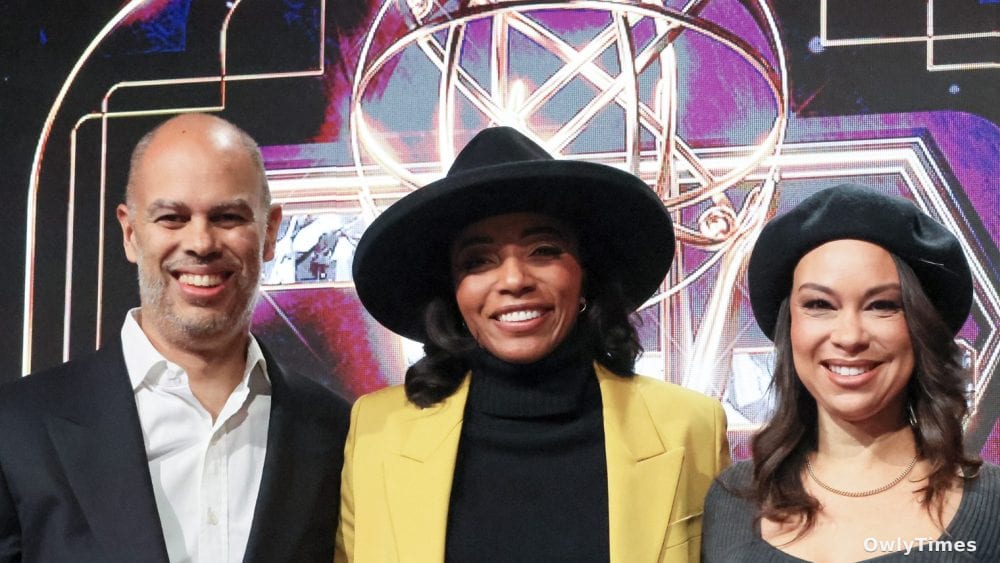
What sets JCE apart isn’t just its technical prowess, but its commitment to representation. Dionne Harmon, president of JCE, and Jeannaé Rouzan-Clay, senior vice president of specials, are integral to this vision. Their leadership is reflected in the company’s consistent production of events like the BET Awards, Soul Train Awards, and “Juneteenth: A Global Celebration of Freedom.” These aren’t afterthoughts or diversity initiatives; they’re core to JCE’s identity. In an industry historically dominated by a narrow demographic of producers, JCE’s success demonstrates the power of diverse perspectives in creating events that resonate with a broader audience.
Consider the numbers: the 2024 Super Bowl Halftime Show, produced by JCE, drew an average of 123.4 million viewers, making it the most-watched Super Bowl in history. While viewership is influenced by many factors, the show’s celebration of Black artistry – featuring Usher – undoubtedly played a role in its widespread appeal. This isn’t a coincidence. JCE consistently delivers events that not only entertain but also reflect the cultural moment, and that’s a formula that’s proving incredibly successful. The company’s recent ventures into scripted television, like Netflix’s “Rhythm + Flow” and “Star Search,” further demonstrate their ability to translate this success across different mediums.
The Stakes for Live Events in a Streaming World
The timing of this announcement is also significant. The live event industry is facing a reckoning. While the pandemic initially fueled a surge in demand for in-person experiences, that momentum is slowing. Consumers are increasingly selective about how they spend their time and money, and streaming offers a convenient, cost-effective alternative. To thrive, live events need to offer something that streaming can’t: a sense of community, shared experience, and genuine spectacle.
JCE understands this. Their productions aren’t just about the performances; they’re about the atmosphere, the energy, the feeling of being part of something bigger. The company’s ability to seamlessly integrate music, fashion, and cultural commentary into their events is what sets them apart. The iHeartRadio Music Awards, with its focus on popular music, presents a unique opportunity to showcase this expertise. But it also comes with challenges. Can JCE elevate an awards show that has historically been perceived as somewhat…safe? Can they inject the same level of cultural relevance and excitement that they’ve brought to other events?
This partnership between JCE and iHeartMedia isn’t just about one awards show. It’s a test case for the future of live entertainment. Will audiences respond to a more culturally conscious, spectacle-driven approach to celebrating popular music? And, perhaps more importantly, will other event producers take notice and adapt? The industry is watching closely, because the answer to those questions will determine who thrives – and who fades – in the years to come. Will we see a ripple effect, with JCE’s influence reshaping the landscape of awards shows and live music events across the board? That’s the question everyone in the industry is asking right now.