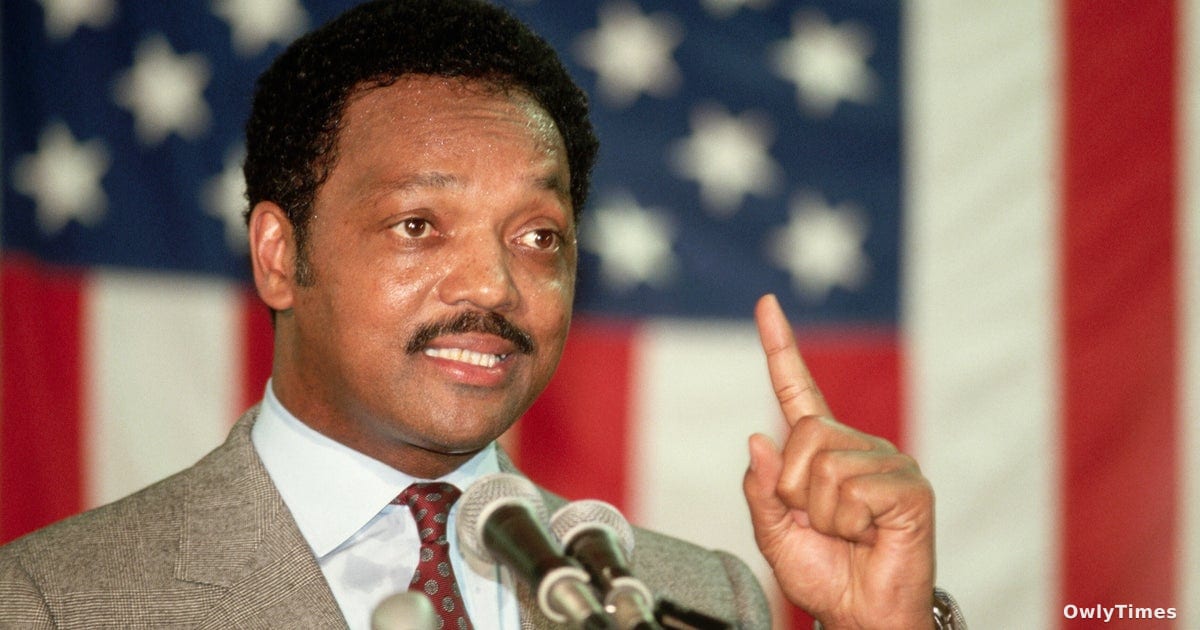

The Strategic Void Left by Jesse Jackson’s Passing
The death of Rev. Jesse Jackson at age 84 isn’t simply the loss of a civil rights icon; it’s a realignment of power within the Democratic Party and a critical juncture for the future of Black political organizing. The immediate outpouring of grief is genuine, but the strategic calculation unfolding now centers on who will inherit Jackson’s unique ability to mobilize a broad coalition – particularly in key swing states like Michigan – and to what end. Jackson’s influence wasn’t solely about policy; it was about access to the levers of power and the consistent pressure applied to those in control. His passing creates a vacuum, and the scramble to fill it will define the next phase of the fight for racial and economic justice.
Michigan’s Outsized Role in Jackson’s Legacy
The significance of Jackson’s 1988 victory in the Michigan Democratic Party Caucus cannot be overstated. In a year where Michael Dukakis ultimately secured the nomination, Jackson’s win in Michigan – described as one of his largest political victories – demonstrated the power of a grassroots, multi-racial coalition. This wasn’t merely a symbolic win; it forced the national party to acknowledge the concerns of Black voters and working-class communities. As N. Charles Anderson, President of the Urban League of Detroit, noted, Jackson “demonstrated that Barack Obama could become president.” This is the core of Jackson’s legacy: expanding the realm of the politically possible. The fact that his influence resonated so strongly in Michigan, a state consistently decisive in presidential elections, underscores the importance of maintaining that coalition. The 2024 election saw a slight dip in Black voter turnout nationally, and the question now is whether Jackson’s absence will exacerbate that trend, or galvanize a new generation to fill the void.
Source material: CBS News.
From King’s Dream to Floyd’s Cry: A Continuous Struggle
Rev. Jackson consciously positioned himself as a successor to Martin Luther King Jr., inheriting the mantle of the Civil Rights Movement after King’s assassination. This wasn’t simply a matter of historical lineage; it was a strategic decision to maintain the momentum of the movement and to broaden its focus beyond legal desegregation to include economic justice. His continued activism, even in his later years – condemning the police killing of George Floyd in 2020 – highlights the unbroken chain of struggle. This continuity is crucial. Jackson understood that the fight for racial equality wasn’t a discrete project with a defined endpoint, but an ongoing process requiring constant vigilance and adaptation. The current political climate, with ongoing debates over voting rights, affirmative action, and curriculum restrictions, makes this continuity even more vital. Neil A. Barclay, President and CEO of the Charles H. Wright Museum, rightly points to the current “siege” on African American history and culture, a context that amplifies the loss of Jackson’s voice.
Who Benefits and Who Loses?
The immediate beneficiaries of Jackson’s passing are those political actors who previously operated in his shadow. Established Democratic leaders, while offering condolences, are now free to pursue strategies without the potential for Jackson’s public critique or mobilization efforts. Conversely, the biggest losers are grassroots organizations and activists who relied on Jackson’s platform and influence to amplify their voices. The challenge now is to build independent power structures capable of challenging the status quo without a central figure like Jackson. The risk is that the energy and resources previously channeled through Jackson’s organizations will dissipate, leaving a fragmented and less effective movement. The question isn’t simply who will speak for Black America, but how that voice will be organized and deployed.
The Next Political Chess Move: The 2028 Convention
The most significant political chess move to watch is the 2028 Democratic National Convention. Will the party actively court the Jackson coalition in a state like Michigan, offering prominent speaking slots to emerging leaders who can credibly claim his legacy? Or will they attempt to bypass that constituency, relying on broader appeals to suburban voters and younger demographics? The choice will reveal whether the Democratic Party genuinely understands the strategic importance of maintaining Jackson’s coalition, or whether they believe they can win without it. The location of the convention itself will be telling – a deliberate choice to hold it in Detroit, for example, would be a powerful signal of respect and a commitment to Jackson’s vision.





