
The Trudeau Legacy and the Politics of Survival
The current debate over “political” art, ignited by the Berlin Film Festival’s attempt to depoliticize its selections, isn’t a new one. For Alexandre Trudeau, however, it’s a conversation he’s uniquely positioned to have. The filmmaker, son of former Canadian Prime Minister Pierre Elliott Trudeau and brother to current Prime Minister Justin Trudeau, understands that politics aren’t something addressed by art, but rather are inherent to the act of creation itself – a calculus born from a lifetime steeped in power. His latest film, Hair of the Bear, a survival thriller set in the Canadian wilderness, isn’t a retreat from politics, but a refraction through them, using the stark landscape as a metaphor for a nation grappling with its identity and its place in a shifting global order.
Reporting from The Hollywood Reporter informs this analysis.
Trudeau’s early work as a documentarian – Embedded in Iraq (2003), The Fence (2004) focusing on the Israel-Palestine conflict, and films documenting crises in Liberia, Sierra Leone, and Sudan – established a pattern of confronting geopolitical hotspots directly. He readily admits a youthful idealism fueled these projects, a belief that filmmaking could “heal the world.” This shift towards scripted narrative, beginning with Hair of the Bear, isn’t an abandonment of that impulse, but a strategic repositioning. As Trudeau explains to The Hollywood Reporter, “Just because it’s scripted, doesn’t mean there’s no politics in there…This is a film about our country, in a political sense.” The move to fiction allows for a more subtle, and perhaps more potent, exploration of national anxieties.
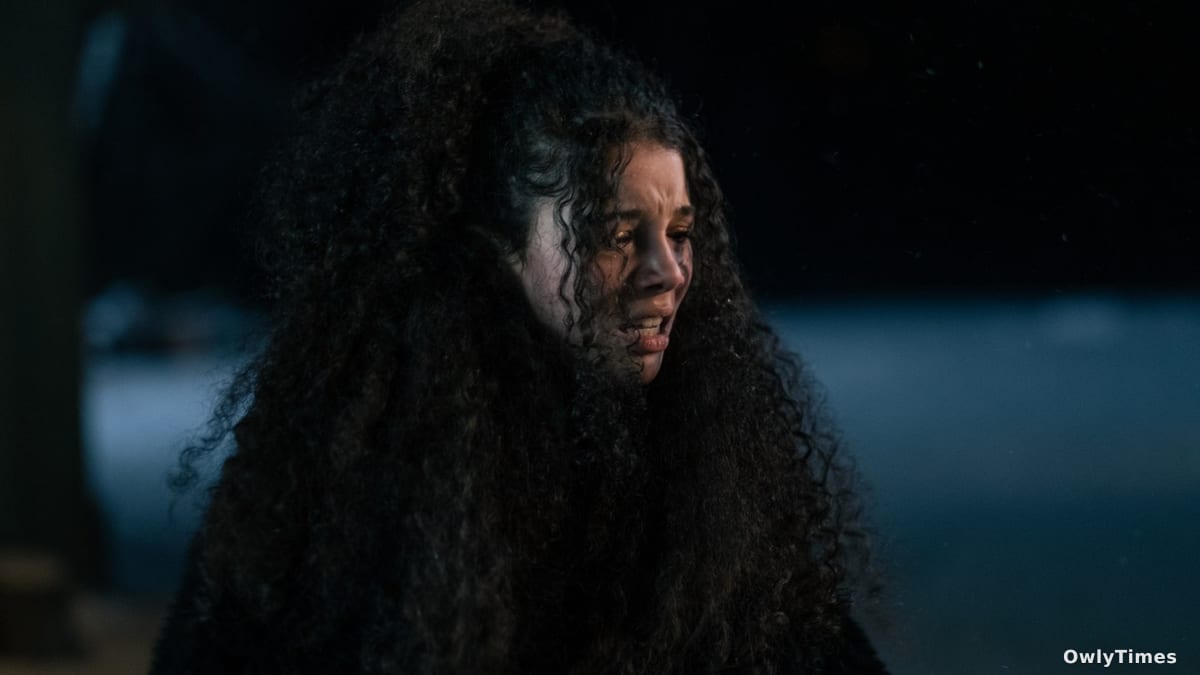
The film centers on Malia Baker’s character, Tori, a 16-year-old battling anxiety who is sent to her grandfather’s remote cabin to learn survival skills. This narrative isn’t merely a coming-of-age story; it’s a pointed commentary on Canadian resilience, framed against a backdrop of increasing external pressures. Trudeau explicitly links Tori’s struggle for survival to the broader challenges facing Canada, particularly in the context of the Donald Trump era’s trade wars and the recurring threat of annexationist rhetoric from the United States. The film’s setting – the frozen wilderness of northeast Manitoba – becomes a symbolic representation of a nation forced to defend its sovereignty, not through overt military force, but through a quiet, determined self-reliance. This echoes a historical pattern: Canada’s national identity has often been forged in opposition to, and in deliberate distinction from, its powerful southern neighbor.
The personal resonates deeply within this political framework. Trudeau’s poignant recollection of his younger brother, Michel Trudeau, lost in an avalanche in British Columbia in 1998, isn’t simply a biographical detail. It’s a stark reminder of the unforgiving nature of the Canadian landscape, and the constant need for vigilance and preparedness. “It’s a dramatic device in the sense in this country, in the winter and out in the boonies, doing nothing can get you killed,” Trudeau states. This isn’t just about physical survival; it’s about the necessity of actively engaging with the challenges facing the nation. The tragedy of Michel’s death underscores the fragility of life and the importance of embracing the very forces that threaten it.
However, the film’s underlying message extends beyond a simple defense of national sovereignty. Trudeau frames the current moment as a fight for “liberal democracy” itself, positioning Canada as “the last man standing.” This is a significant claim, and one that reveals a deep-seated anxiety about the global rise of authoritarianism and the erosion of democratic norms. While Trudeau acknowledges that figures like Trump are “symptoms” of a larger problem, his insistence that the issue is “structural” suggests a more profound and systemic crisis. The $1.4 billion in tariffs imposed by the US in 2018, for example, were not simply economic grievances, but a deliberate attempt to undermine Canada’s economic independence and political autonomy. Hair of the Bear taps into this anxiety, presenting a narrative of individual resilience as a microcosm of national survival.
The next political chess move to watch isn’t within the realm of film, but within the Canadian federal government. With Hair of the Bear hitting theaters on March 5th, and the film’s themes resonating with a public increasingly concerned about economic security and national identity, the question becomes: will Justin Trudeau leverage this cultural moment to bolster his government’s narrative of Canadian strength and independence? Specifically, will he use the film’s release as an opportunity to advocate for policies that strengthen Canada’s economic ties with nations other than the United States, and to reaffirm Canada’s commitment to multilateralism and international cooperation? The answer will reveal whether the Trudeau family’s political legacy is simply about occupying power, or about actively shaping the future of a nation facing unprecedented challenges.





