
The champagne corks popped on Sunday night at the Dolby Theatre, celebrating a year of cinematic achievement, but the afterglow feels…complicated. While Michael B. Jordan’s Best Actor win for “Sinners” – a performance lauded for its raw vulnerability and technical brilliance – was a clear highlight, the celebratory mood is shadowed by a rising tide of global anxiety. The 98th Academy Awards unfolded against a backdrop of escalating conflict in Iran, surging gas prices, and a growing sense that the cultural escapism offered by film is increasingly at odds with a rapidly destabilizing world. It’s a stark reminder that even the most dazzling displays of artistry can’t fully insulate us from the pressures bearing down on everyday life.
The Price of Escapism: Oil, War, and the American Wallet
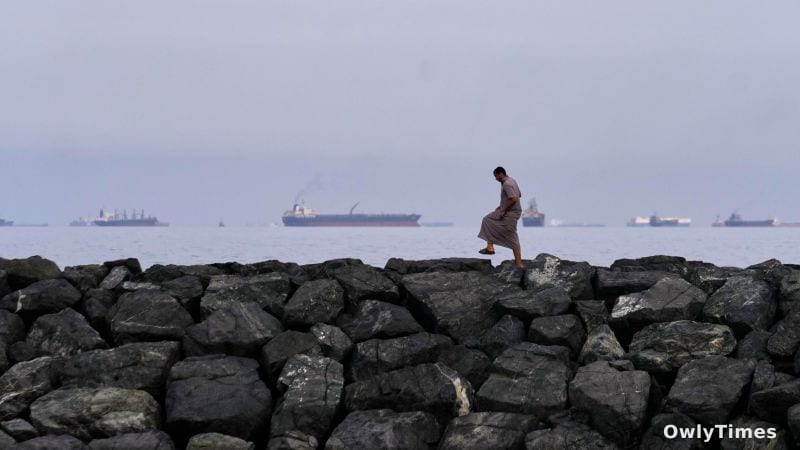
The timing is undeniably jarring. As Paul Thomas Anderson’s “One Battle After Another” took home Best Picture – a film itself grappling with themes of conflict and resilience – AAA reported a 24% jump in US gas prices since the war in Iran began. Brent crude oil briefly surpassed $106 a barrel, a level not seen since 2022, directly correlating with the closure of the Strait of Hormuz, the vital artery for global oil shipments. This isn’t simply an economic statistic; it’s a tangible pressure point for American families already grappling with inflation and economic uncertainty. The average American household spends roughly $2,000 a year on gasoline, according to the US Energy Information Administration. A 24% increase translates to an extra $480 annually, a significant burden, particularly for lower-income households. President Trump’s calls for NATO assistance and his controversial decision to restart a California oil pipeline – despite opposition from state officials – underscore the desperation to mitigate the economic fallout, but also reveal a willingness to prioritize short-term energy security over long-term environmental concerns.
Drawn from CNN.
Beyond the Red Carpet: A Government Shutdown and Human Cost
The glittering spectacle of the Oscars also felt strangely disconnected from the ongoing political turmoil at home. The 27-day partial government shutdown, now entering its second month, continues to disrupt essential services. Hundreds of TSA agents have resigned or taken unscheduled leave, creating chaos at airports nationwide. The airlines, predictably, are urging Congress to intervene, but the underlying issue – a deeply polarized political landscape – remains unresolved. This isn’t just about delayed flights; it’s about the real-life consequences of political gridlock, the financial strain on federal workers, and the erosion of public trust. The shutdown’s impact is particularly acute given the simultaneous external pressures of the international conflict, creating a sense of being besieged on multiple fronts.
A Storm of Crises: From the Middle East to the Midwest
The sense of crisis extends beyond economics and politics. A powerful storm is currently sweeping across the eastern US, with blizzard warnings in effect for millions. This comes on the heels of news that six US Air Force airmen were killed in a crash in Iraq, bringing the total number of US troops killed in connection with the war in Iran to 13. Each casualty represents a profound loss, a family shattered, and a stark reminder of the human cost of conflict. The administration’s threat to revoke the licenses of local broadcasters over “fake news” coverage adds another layer of concern, raising questions about freedom of the press and the potential for censorship. It’s a confluence of events that feels almost overwhelming, a relentless barrage of negative headlines.
Hollywood’s Response: Art as Reflection, or Distraction?
Against this turbulent backdrop, the Oscar wins themselves take on a different weight. Jessie Buckley’s triumph for “Hamnet” – a deeply moving exploration of grief and loss – feels particularly resonant. Ryan Coogler’s “Sinners,” with its record 16 nominations and wins for original screenplay, score, and cinematography, offered a powerful narrative of resilience and community. But can art truly offer solace or meaningful commentary in the face of such widespread instability? Or does it risk becoming a form of escapism, a temporary distraction from the harsh realities of the world? The success of films like “One Battle After Another” and “Sinners” suggests a hunger for stories that grapple with complex themes, but the question remains whether these narratives can translate into real-world action or simply provide a fleeting moment of catharsis.
The convergence of these crises – geopolitical conflict, economic instability, political dysfunction, and natural disasters – isn’t merely a series of unfortunate events. It’s a symptom of a deeper systemic fragility, a world grappling with interconnected challenges that demand collective action. As we move forward, the question isn’t just whether gas prices will continue to rise or when the government will reopen, but whether we can find a way to bridge the widening gap between the glittering world of entertainment and the increasingly precarious realities faced by millions. Will Hollywood, and the broader cultural landscape, step up to reflect and address these challenges, or will it continue to offer a temporary escape from a world in crisis?





