
Beyond the Headlines: What the Joro Spider’s Spread Really Tells Us
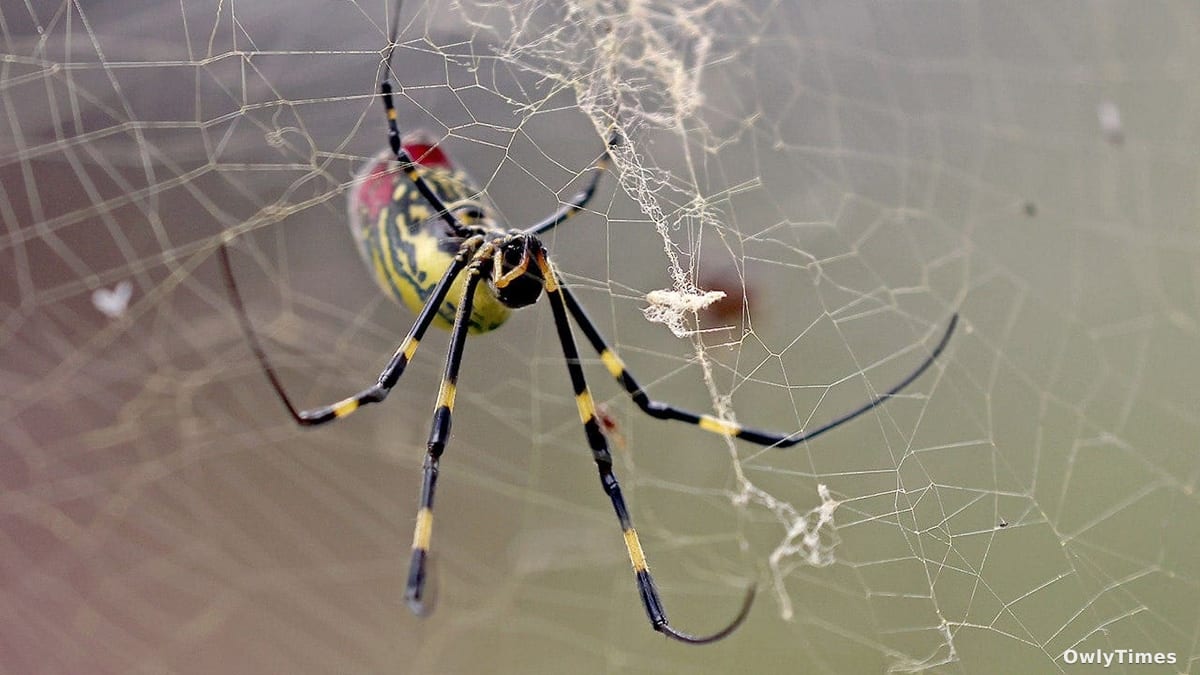
The images are striking: spiders the size of a palm, weaving golden webs across the American Southeast. Headlines scream of an “invasive menace,” and social media is alight with apprehension. But the story of the Joro spider (Nephila clavipes), first identified in Georgia in 2013, isn’t simply about a creepy crawly expanding its territory. It’s a case study in how we understand – and often misunderstand – ecological disruption, and a reminder that “invasive” doesn’t automatically equate to “catastrophic.” The current coverage tends to focus on the spider’s size and speed of spread, but the more crucial question is how this particular species will reshape the intricate web of life in eastern North America.
Reporting from Fox News informs this analysis.
The Joro spider’s journey began, as many invasive species do, with global trade. Experts believe the spider arrived as a stowaway, likely in a shipping container or on an airplane from its native Asia. Since then, it has been documented in Georgia, North Carolina, South Carolina, and Tennessee, with projections from Penn State researchers suggesting a northward expansion potentially reaching Pennsylvania and beyond, particularly along warmer coastal regions. This spread isn’t a slow creep; the spider utilizes “ballooning,” a fascinating dispersal technique where hatchlings release silk threads to catch air currents, effectively “flying” long distances. Ian Williams, an entomologist with Orkin, illustrates the speed of this colonization, reporting a count of 200 adult spiders on his one-acre property near Atlanta by September of last year. This rapid establishment is what’s driving concern, but it’s important to understand how this establishment might impact existing ecosystems.
What the study – and the observations of entomologists like Williams – actually reveals is a spider that, despite its imposing size (leg spans up to 4 inches), is remarkably shy. Research indicates the Joro is among the least aggressive spider species documented, often remaining motionless for extended periods when disturbed rather than exhibiting defensive behavior. While capable of biting, Williams notes the fangs are relatively small and the venom, even if delivered, is weak, comparable to a bee sting with “no medical importance.” This contrasts sharply with the initial public reaction, fueled by the spider’s dramatic appearance and the inherent human fear of arachnids. The golden hue of their substantial webs, while visually striking, is simply a byproduct of light interacting with the silk’s structure, and its strength is a characteristic of many orb-weaver spiders, not unique to the Joro.
However, the lack of immediate threat to humans doesn’t negate the ecological concerns. The primary worry, as Williams explains, centers on potential competition with native spider species. The Joro spider is a prolific hunter, consuming everything from mosquitoes to cicadas. The question isn’t just that it’s eating these insects, but whether it’s depriving native spiders of crucial food sources, effectively outcompeting them for resources. This is where the data is currently limited. We don’t yet know if the Joro spider’s hunting habits overlap significantly with those of native species, or if it occupies a unique niche that minimizes direct competition.
Limitations to Consider
It’s crucial to acknowledge the limitations of our current understanding. The Joro spider’s impact is still being “weighed by scientists,” as reported by Fox News Digital, meaning much of the assessment is preliminary. Tracking an invasive species across a vast geographic area is inherently challenging. Relying on citizen science initiatives like iNaturalist, while valuable for mapping distribution, introduces potential biases in data collection. Sightings are more likely to be reported in populated areas, potentially creating a skewed picture of the spider’s true range and density. Furthermore, long-term studies are needed to assess the cascading effects of the Joro spider’s presence on the broader ecosystem, including impacts on insect populations and the predators that rely on them.
What to Do – and What Not To Do
The recommended approach – physical removal of webs with a broom or long pole – is pragmatic. It’s more effective than pesticides, which are difficult to apply accurately to the spiders’ high-altitude webs and can have unintended consequences for other wildlife. The idea, as Williams suggests, is to discourage the spiders from re-establishing webs in specific locations. However, this is a localized solution, unlikely to halt the overall northward expansion. The focus should shift towards proactive monitoring and research.
The next critical research steps involve detailed dietary analysis of both the Joro spider and native spider species in overlapping habitats. Researchers need to quantify the extent of resource competition and assess whether the Joro spider is impacting the populations of native insects. Equally important is understanding the Joro spider’s vulnerability to local predators and diseases. Will native birds or insects adapt to prey on the Joro spider, or will it thrive due to a lack of natural controls? As the Joro spider continues its march northward, keep an eye on local insect populations – are cicada numbers declining in areas where the spider is established? Are native orb-weavers becoming less common? These observations, combined with rigorous scientific investigation, will be crucial to understanding the long-term consequences of this fascinating, and somewhat intimidating, arrival.