
Beyond the Picket Lines: What a Month-Long Strike Reveals About Healthcare Labor Dynamics
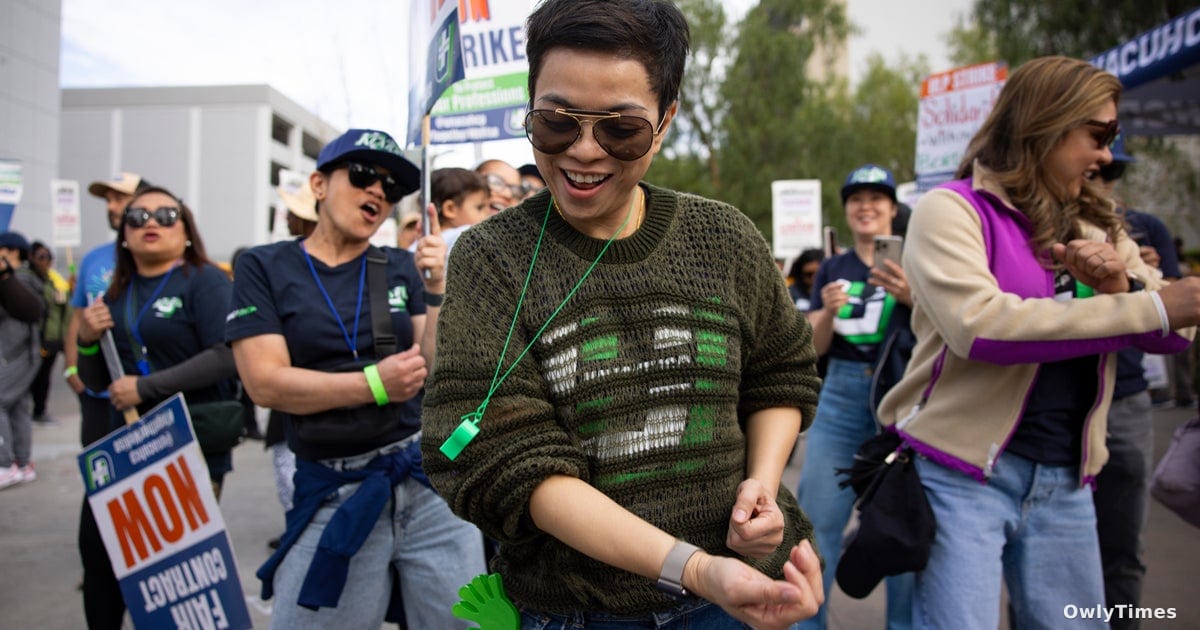
The end of the nearly month-long strike by over 31,000 nurses and healthcare professionals at Kaiser Permanente facilities in California and Hawaii, announced on February 23, 2026, isn’t simply a return to normal operations. It’s a stark illustration of the escalating pressures within the healthcare system – pressures that extend far beyond wage demands. While headlines focus on the “significant movement at the bargaining table” that prompted the United Nurses Associations of California/Union of Health Care Professionals (UNAC/UHCP) to call off the strike, the underlying story is about a workforce attempting to address systemic issues of staffing and, ultimately, patient care quality in the face of growing industry consolidation. This wasn’t a strike about money, though wages were a component; it was a strike over the conditions under which care is delivered.
See the original CBS News story for the full account.
The strike, beginning January 26th, centered on two primary demands: higher wages and increased staffing levels. The latter is particularly noteworthy. Healthcare, unlike many industries, doesn’t experience productivity gains through automation in the same way. More patients require more hands-on care. Yet, the trend toward larger healthcare systems like Kaiser – which controls both insurance and provider networks – often prioritizes cost-cutting measures that directly impact staffing ratios. The union’s insistence on increased staffing isn’t simply about more jobs; it’s about maintaining safe patient-to-nurse ratios, a metric consistently linked to reduced medical errors and improved patient outcomes. The fact that “significant movement” occurred only after nearly a month of disruption suggests the degree to which Kaiser initially resisted addressing this core concern.
The UNAC/UHCP’s decision to issue an “unconditional return to work” notice, even while negotiations continue, is a strategic one. As the union stated, bringing members back to their patients and livelihoods creates a more conducive environment for finalizing an agreement. Prolonging the strike risked further strain on both the healthcare system and the striking workers themselves. However, it’s crucial to understand that this isn’t a complete victory declaration. The union’s statement emphasizes “building on the progress achieved during the strike,” indicating that key issues remain unresolved. The absence of picket lines on Monday, February 24th, signifies a shift in tactics, not necessarily a complete resolution.
The Kaiser Model Under Scrutiny
Kaiser Permanente operates on an integrated model, meaning it owns both the hospitals and the health insurance plans for its members. This model, while often touted for its efficiency, creates a unique dynamic in labor negotiations. Unlike negotiating with a purely for-profit hospital chain, the union is dealing with an entity that has a dual responsibility: to its patients and to its bottom line as an insurer. This inherent conflict of interest can lead to a prioritization of cost containment over optimal staffing levels. The strike highlights the tension between Kaiser’s stated commitment to quality care and the financial pressures of managing a large, integrated healthcare system. The fact that a strike of this magnitude – impacting facilities across two states and involving over 31,000 workers – was necessary suggests a fundamental misalignment in priorities.
Limitations to Consider
It’s important to acknowledge the limitations of drawing broad conclusions from this single event. The specifics of the agreement reached between UNAC/UHCP and Kaiser Permanente haven’t been fully disclosed as of this writing. While the union has signaled progress, the details regarding wage increases, staffing ratios, and other key provisions will be critical in assessing the true impact of the strike. Furthermore, Kaiser Permanente’s situation is unique. Its integrated model and large scale don’t necessarily reflect the conditions at smaller, independent hospitals or healthcare systems. However, the underlying pressures – increasing patient volumes, workforce burnout, and the drive for cost efficiency – are pervasive throughout the industry.
What Comes Next: Monitoring the Agreement’s Implementation
The immediate next step is to closely monitor the implementation of the agreement reached between UNAC/UHCP and Kaiser Permanente. Will the promised staffing increases materialize? Will the wage increases be sufficient to attract and retain qualified healthcare professionals? More importantly, will these changes translate into measurable improvements in patient care quality? Beyond this specific case, the broader question is whether this strike will serve as a catalyst for similar labor actions at other healthcare systems. Healthcare workers across the country are facing similar challenges, and the outcome of this dispute could embolden them to demand better working conditions and improved patient care. The coming months will reveal whether this strike was a temporary disruption or a turning point in the ongoing struggle to balance cost containment with quality healthcare.