
Beyond Access: A Redding Urgent Care Signals a Shift in Regional Healthcare Labor
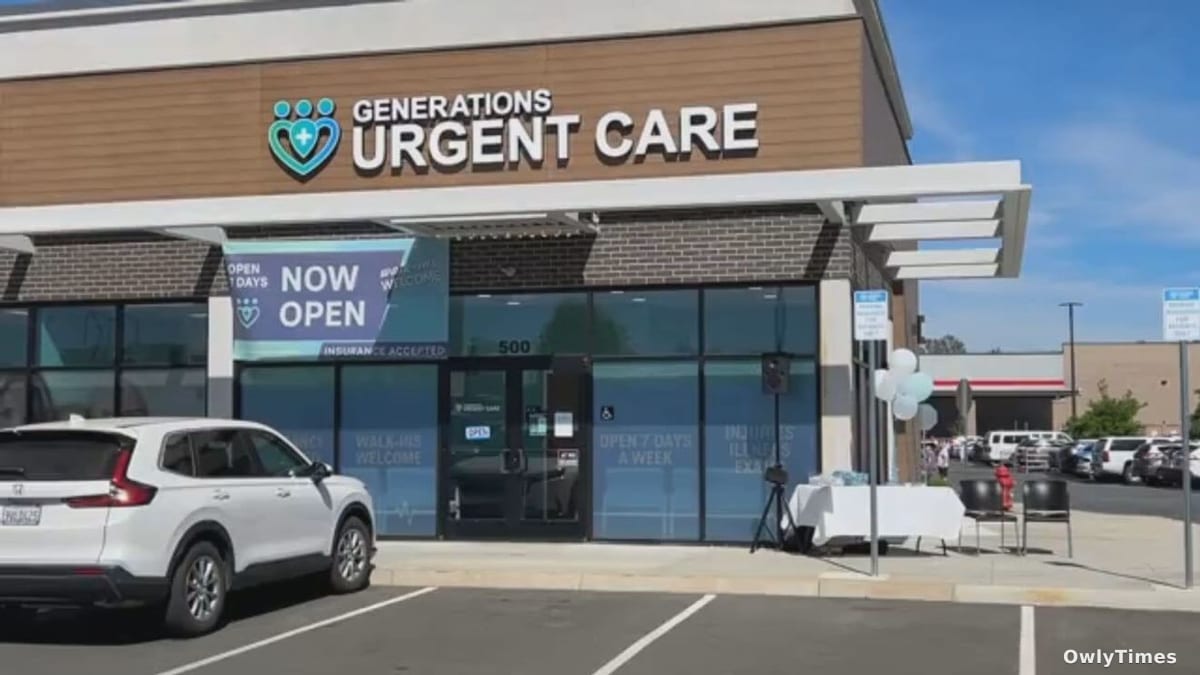
The opening of Generations Urgent Care in Redding on March 20, 2026, isn’t simply another new business ribbon-cutting; it’s a localized response to a growing paradox in American healthcare: expanding access while simultaneously battling a critical workforce shortage. While headlines focus on increased convenience for patients in the Northstate, the story behind Generations Urgent Care reveals a more complex picture of how healthcare providers are actively reshaping recruitment and training strategies to serve underserved areas. This isn’t just about bringing services to Redding, but about bringing healthcare professionals back to Redding.
The impetus for the clinic, according to co-owners Dr. Eryn Simmons and Dr. Tristan Simmons, stemmed from a recognized gap in acute care availability. They identified Redding as a strategic location a year ago, a decision that appears data-driven given Shasta County’s consistently lower-than-state-average ratio of physicians to population – a figure that has remained relatively stagnant for the past decade despite overall population growth. However, simply identifying a need isn’t enough. The Simmonses faced the common hurdle of staffing a new facility in a region where, like much of rural America, attracting and retaining qualified medical personnel is notoriously difficult. The national Bureau of Labor Statistics projects a shortage of nearly 124,000 physicians by 2034, and California is expected to be particularly impacted.
Based on the original krcrtv.com report.
What sets Generations Urgent Care apart is its proactive approach to this challenge. Dr. Tristan Simmons specifically highlighted the success of recruiting healthcare workers who had previously left the area for opportunities in larger cities like Sacramento. This “boomerang” effect, while not a new concept, is being actively cultivated by Generations through targeted outreach. More significantly, the clinic isn’t relying solely on attracting existing professionals; they’re investing in local training programs, specifically mentioning plans to train individuals in X-ray technology on-site. This represents a shift from passively waiting for qualified applicants to actively building the workforce needed to sustain long-term care. This is a departure from the typical urgent care model, which often relies on a transient workforce or partnerships with larger hospital systems.
The clinic’s hours – Monday through Friday, 8 a.m. to 8 p.m., and weekends from 10 a.m. to 6 p.m. – are also noteworthy. Extended weekend hours are becoming increasingly common in urgent care settings to meet patient demand, but maintaining consistent weekday evening availability suggests a commitment to serving patients who may work traditional 9-to-5 jobs and lack alternative access to timely care. This is particularly relevant in a region where transportation can be a barrier to accessing healthcare facilities in neighboring cities. The location at 4861 Bechelli Lane, Suite 500, places the clinic within a commercially accessible area, further reducing logistical hurdles for patients.
Limitations to Consider: Scale and Sustainability
While the opening of Generations Urgent Care is a positive development, it’s crucial to acknowledge the limitations of a single clinic in addressing systemic healthcare challenges. The success of their recruitment and training initiatives remains to be seen. Attracting professionals back to Redding is encouraging, but retaining them will require ongoing investment in competitive salaries, professional development opportunities, and a supportive work environment. The planned on-site training program, while promising, will take time to yield qualified personnel, and the capacity of the program will likely be limited. Furthermore, the clinic’s focus on acute care services doesn’t address the broader needs of the Northstate’s healthcare system, such as primary care, specialized services, and mental health support. It’s also important to note that the clinic’s reliance on collaboration with local hospitals for staffing, as mentioned by Dr. Tristan Simmons, could create potential dependencies and vulnerabilities if those partnerships were to change.
Looking ahead, the most critical question surrounding Generations Urgent Care isn’t whether it can attract patients – the need is clearly present – but whether it can build a sustainable workforce pipeline. Will the clinic’s training programs be adequately funded and equipped to meet the long-term demand for skilled healthcare professionals? And, perhaps more importantly, will the clinic’s success inspire other healthcare providers to adopt similar proactive recruitment and training strategies, or will Redding remain an outlier in a region grappling with persistent workforce shortages? The coming years will reveal whether Generations Urgent Care is a singular solution or a model for a more resilient Northstate healthcare system.