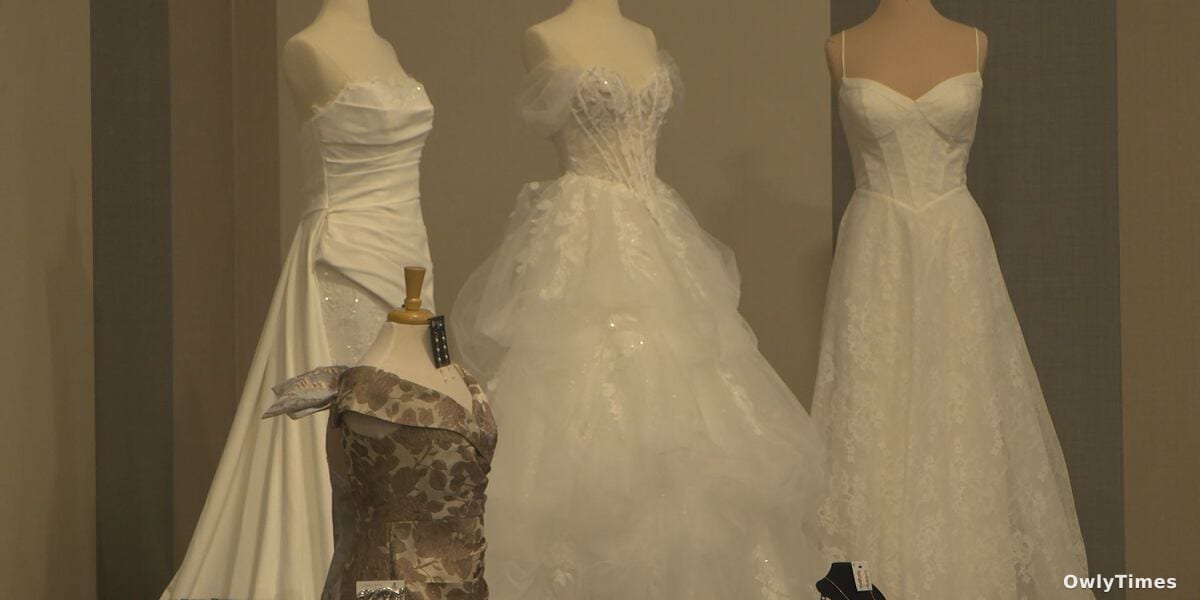

The scent of buttercream and lilies hung heavy in the air at Kearney’s Younes Conference Center South on Sunday, a familiar aroma for anyone who’s spent a spring charting the course of love in central Nebraska. But the 2026 Spring Bridal Show, organized by NRG Media, wasn’t just about floral arrangements and dress fittings; it was a quiet barometer of a shifting cultural landscape, a place where tradition and economic realities are subtly, yet powerfully, colliding. While the Hastings String Quartet provided a classical soundtrack to dreams of forever, a closer look reveals a bridal industry navigating a particularly uncertain moment, one where the very definition of “getting married” is being rewritten.
A Legacy Built on “I Do”
For over two decades, Laura Hurley asserts, NRG Media has hosted the longest-running bridal show in central Nebraska. “So, we’ve been doing this for a long time and it’s a lot of fun,” she told KSNB. That longevity isn’t just a matter of good planning; it’s a testament to the enduring appeal of the traditional wedding, even as the path to that wedding changes. The show itself, featuring over 30 vendors ranging from photographers to cake bakers, represents a significant economic engine for the region. Consider this: the average wedding in Nebraska now costs around $27,000, according to The Knot’s 2024 Real Weddings Study – a figure that’s climbed nearly 15% since 2021. That’s $27,000 injected into local businesses, from florists to DJs, and a substantial sum for a region where the median household income hovers around $65,000. The show isn’t just a place to plan a wedding; it’s a microcosm of the local economy.
Source material: ksnblocal4.com.
Beyond the Veil: Shifting Priorities
Amidst the displays of tiered cakes and shimmering gowns, a quiet revolution is underway. The story of Jasmine Kennedy and Brody Helledge of Hastings, who met through a family connection, feels almost… quaint in 2026. Their story, while sweet, stands in contrast to the increasingly common narrative of couples meeting online, cohabitating for years before engagement, or foregoing traditional courtship rituals altogether. This isn’t to say romance is dead, but its form is evolving. Dating app usage among 18-25 year olds has increased by 35% since 2020, according to Pew Research Center, and the average age of first marriage continues to creep upwards, now hovering around 29 for women and 31 for men. These trends suggest a more deliberate, less rushed approach to commitment, and a willingness to prioritize financial stability and personal fulfillment before walking down the aisle.
The Economic Tightrope of Modern Romance
The fact that NRG Media continues to hold these shows twice a year – spring and fall – speaks to a continued demand, but also a strategic adaptation. The bridal industry isn’t immune to broader economic pressures. Inflation, rising interest rates, and a general sense of financial uncertainty are forcing couples to make tough choices. While the average wedding cost is up, so is the percentage of couples opting for smaller, more intimate ceremonies, or delaying their plans altogether. A recent survey by Brides.com found that 42% of engaged couples are actively scaling back their wedding budgets due to economic concerns. This creates a delicate balancing act for vendors: maintaining quality and service while remaining accessible to a wider range of budgets. The vendors at the Younes Conference Center aren’t just selling dreams; they’re navigating a complex economic reality.
What This Moment Signals for the Future of “I Do”
The 2026 Spring Bridal Show isn’t just a local event; it’s a reflection of a national conversation about love, commitment, and the evolving definition of marriage. The enduring popularity of these shows suggests that the idea of a traditional wedding still holds appeal, but the path to that altar is becoming increasingly individualized and pragmatic. The question now isn’t whether people will get married, but how they will get married, and what compromises they’ll be willing to make along the way. Will the industry adapt to cater to a generation prioritizing experiences over extravagance? Will we see a rise in “micro-weddings” and DIY celebrations? Or will the allure of the grand, traditional affair prove too strong to resist, even in the face of economic headwinds? The answer, like any good love story, remains to be written.