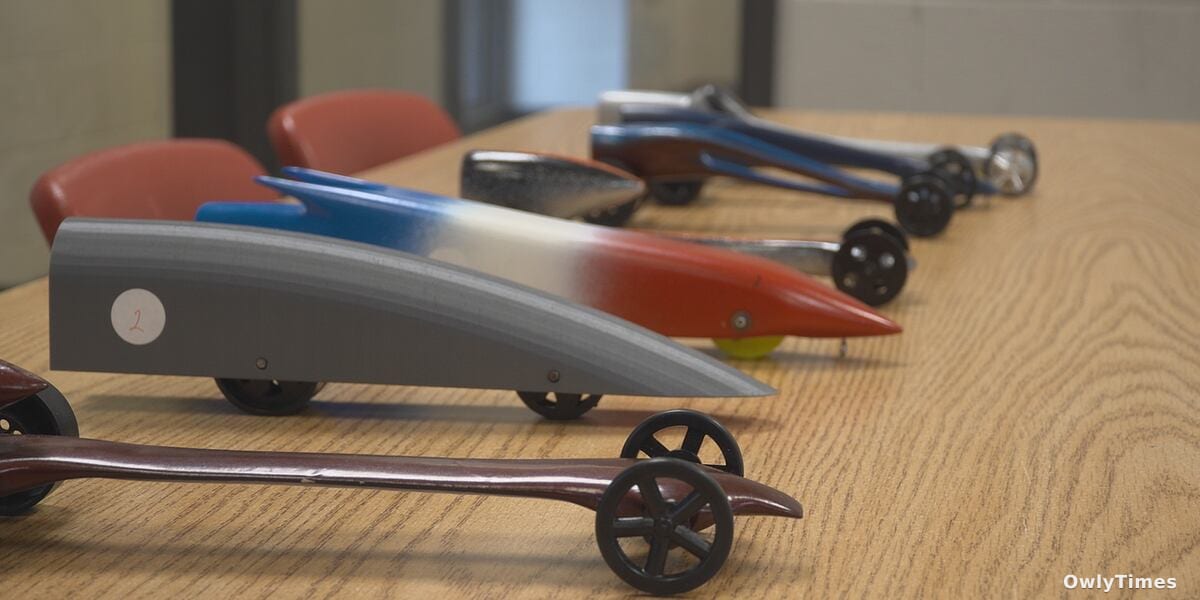

Is a high school car show really a bellwether for the future of skilled trades? Most tech coverage fixates on AI, quantum computing, and the metaverse, but the quiet crisis in vocational training is a far more immediate threat to American innovation. The real story here isn't about flashy tech breakthroughs—it's about whether we can still build anything, and who will be doing the building. A recent segment on 7News, featuring anchor Dave Hunter’s “Community Conversations” visit to Cache High School in Lawton, Oklahoma, offers a surprisingly sharp glimpse into this looming problem.
Beyond Chrome and Algorithms: The TSA’s Funding Gap
Joshua English, an Aviation and Aerospace engineering teacher at Cache High School, highlighted the upcoming Technology Student Association (TSA) car show scheduled for March 9th at 9 a.m. It’s a classic high school fundraiser, but the stakes are higher than bake sales and car washes suggest. The event isn’t about showcasing souped-up engines for bragging rights; it’s about funding the TSA’s competition in April. This isn’t a club for future coders—it’s for future engineers, mechanics, and technicians. And they’re having to fundraise to compete. Consider that in 2024, STEM education received over $1.2 billion in federal funding, yet a significant portion of that went towards computer science and data analytics, leaving vocational programs like TSA scrambling for resources. The imbalance is stark.
Reporting from kswo.com informs this analysis.
The Disappearing Pipeline of Skilled Labor
The TSA car show isn’t an isolated incident. Across the country, vocational programs are facing budget cuts, a lack of qualified instructors, and a persistent stigma that steers students towards four-year college degrees. This isn’t just a problem for those interested in hands-on work; it’s a national security issue. The U.S. manufacturing sector, already struggling with supply chain vulnerabilities exposed during the pandemic, relies on a skilled workforce to reshore production and compete with countries like China. According to a 2025 report by Deloitte, the manufacturing skills gap could leave 2.1 million positions unfilled by 2030, costing the U.S. economy an estimated $1 trillion. That’s a trillion dollars not in venture capital, but in actual, tangible output.
Why a Local Car Show Matters to Everyone
The narrative that tech jobs are the only “good” jobs is deeply ingrained. Parents push their kids towards coding bootcamps, and schools prioritize computer labs over auto shops. But the reality is far more nuanced. The demand for skilled trades is surging, and the pay isn’t what it used to be. Electric vehicle maintenance, advanced manufacturing, and even wind turbine technology require specialized training that goes beyond a traditional college education. English’s TSA students aren’t just learning to wrench on cars; they’re gaining skills applicable to a rapidly evolving technological landscape. They’re learning problem-solving, critical thinking, and the ability to adapt – skills that are valuable in any field. The fact that they need to hold a car show to afford competition fees speaks volumes about our misplaced priorities.
The Future Isn't Just Digital: It's Built
The 7News segment, while seemingly a local interest piece, underscores a critical point: the future isn’t solely digital. It’s a hybrid world where software and hardware, algorithms and assembly lines, must coexist. We’re so focused on building the ideas of the future that we’re forgetting to build the things that make those ideas real. Here’s what to watch for: in the next year, expect to see a significant increase in public-private partnerships aimed at revitalizing vocational training programs. But the real test won’t be the funding—it will be whether we can dismantle the cultural bias that devalues skilled trades and convince a new generation that building something with your hands is just as valuable as building something with your code. If the TSA car show at Cache High School is still a necessary fundraising event in 2027, we’ll know we’ve failed.