
The bass throbbed through the floorboards of Belly Up Aspen last night, a pulse that felt less like a concert and more like a collective exhale after a long winter. Noizu, the UK-born, LA-based DJ, didn’t just play a set; he architected an experience, layering bass-heavy rhythms with melodic hooks that had the crowd moving as one. But beyond the headlines of another high-profile DJ hitting the Aspen circuit, this weekend’s flurry of performances – from the rootsy intimacy of The Wood Brothers at the Wheeler Opera House to the funk-fueled energy of Ghost-Note at the JAS Center – speaks to a larger shift in how Aspen defines its cultural identity. It’s no longer solely about the rarefied air of classical music and art auctions; it’s about a deliberate, and increasingly successful, attempt to cultivate a year-round, multi-genre arts scene.
This isn’t simply about filling calendar dates. Aspen, historically reliant on seasonal tourism, is actively diversifying its appeal. The numbers tell the story: while exact attendance figures for each event weren’t immediately available, the speed with which Theatre Aspen’s 2026 Locals Season Passes sold out last year – less than 36 hours – demonstrates a hunger for consistent, accessible arts programming. This year’s sale, launching April 7th, is poised to be equally competitive. That demand isn’t accidental. It’s the result of a strategic push to offer something for everyone, from the Oscar-qualifying short films showcased at the 35th annual Aspen Shortsfest (April 7-10, featuring directorial debuts from Stephen Curry and Renee Zellweger) to the homegrown talent spotlighted in the Colorado section of the festival.
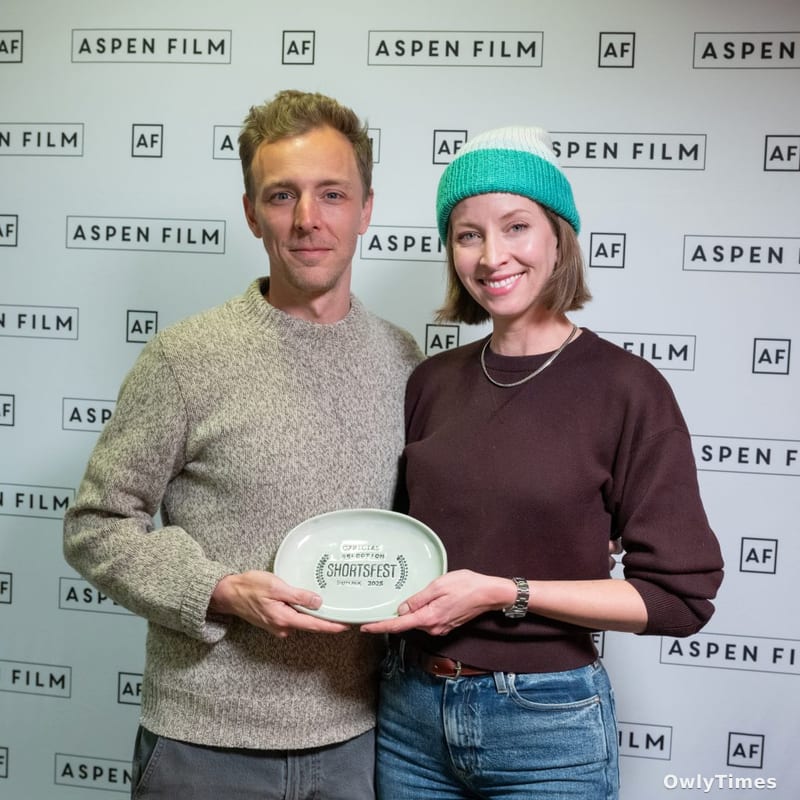
The inclusion of figures like Curry and Zellweger isn’t just a publicity stunt. It’s a calculated move to attract a younger, more diverse audience. Shortsfest, with its curated programs and filmmaker Q&As, has always been a draw for a “film-savvy crowd,” but the addition of celebrity directors signals a broadening of its ambitions. This mirrors a trend across the entertainment industry, where established events are actively seeking to shed their elitist reputations and embrace inclusivity. The festival’s competition jury, featuring writer/director Alex Heller and Emmy-winning producer Yvonne Ashley Kouadjo, further underscores this commitment to diverse perspectives. It’s a recognition that the future of film – and of cultural relevance – lies in amplifying voices that have historically been marginalized.
See the original aspentimes.com story for the full account.
But the diversification isn’t limited to film. The Aspen Emporium Artists Collective, now in its 15th year, continues to champion Colorado-made art and goods, providing a crucial platform for local and regional creators. Their ongoing call for artist applications – spanning painting, jewelry, ceramics, and even skincare – highlights a commitment to supporting the creative economy beyond the realm of performance arts. This is particularly significant in a resort town where the cost of living is notoriously high, making it difficult for artists to sustain themselves. The Emporium offers a vital brick-and-mortar showcase, connecting makers with a high-traffic audience and fostering a sense of community.
The return of Goldfish to Belly Up Aspen on April 10th, billed as “by popular demand,” is another telling detail. The South African duo’s blend of electronic beats, keyboard, double bass, and saxophone appeals to a demographic that might not typically gravitate towards Aspen’s more traditional offerings. This isn’t about replacing the old guard; it’s about expanding the cultural landscape, creating a vibrant ecosystem where different genres and audiences can coexist. Even Theatre Aspen’s Solo Flights Festival, accepting submissions for one-person shows through April 10th, contributes to this broader trend, offering a platform for intimate, experimental storytelling. The question now isn’t whether Aspen can attract a wider audience, but whether it can maintain this momentum, balancing its legacy of exclusivity with a genuine commitment to inclusivity and artistic diversity. Will Aspen successfully navigate this evolution, or will it risk becoming a cultural echo chamber, out of step with the changing times?