
The Calculus of Escalation: Assessing the Fallout from Khamenei’s Assassination
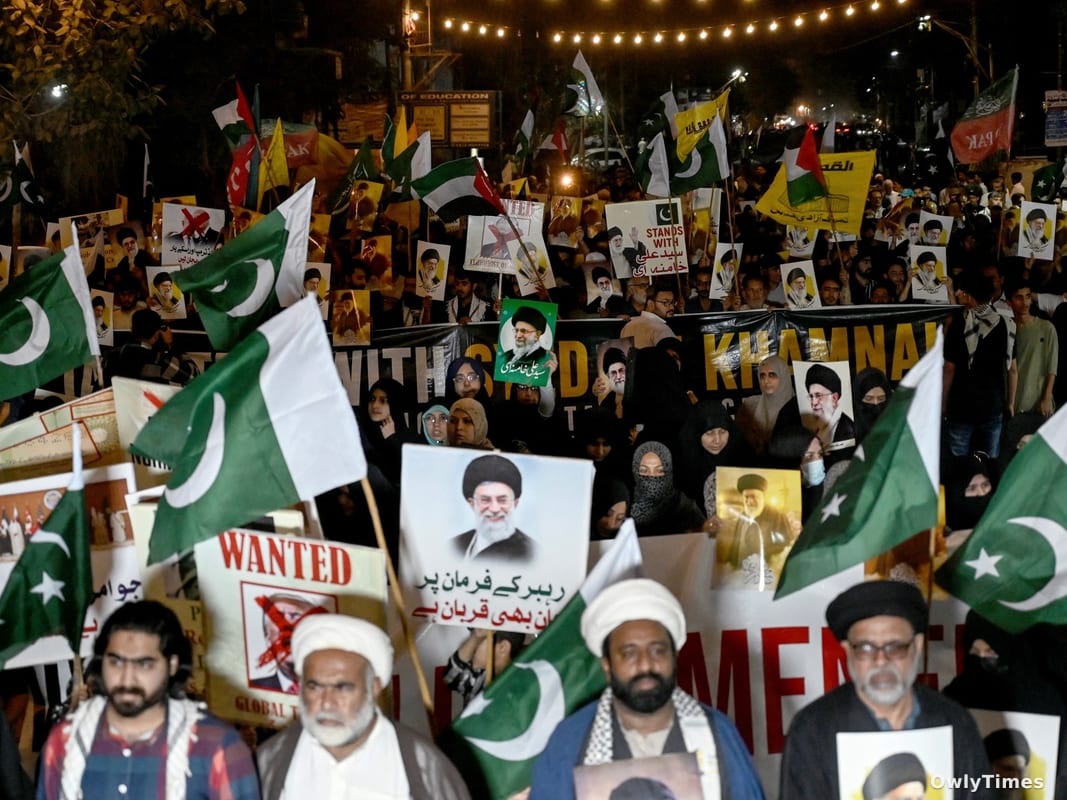
The immediate trigger for the unrest sweeping across Pakistan, Iraq, and Kashmir – the joint US-Israeli assassination of Iranian Supreme Leader Ayatollah Ali Khamenei – obscures a deeper strategic calculation. This wasn’t simply a removal of a political figure; it was a calculated risk by the Trump administration, predicated on the belief that a destabilized Iran, even amidst regional backlash, serves long-term US and, critically, Israeli interests. The speed with which protests erupted, and the targeting of US consulates and UN facilities, demonstrates the precision with which this escalation was anticipated, and the willingness to absorb short-term diplomatic costs for perceived gains in regional power dynamics. The nine deaths reported in Karachi, confirmed by police surgeon Dr. Summaiya Syed, are not isolated incidents, but the opening salvos in a potentially protracted period of instability.
Pakistan as a Pressure Point: Beyond Anti-American Sentiment
The violence in Karachi, with protesters attempting to storm the US consulate, and the arson attack on the UN office in Skardu, reveal Pakistan’s unique vulnerability in this escalating conflict. While anti-American sentiment is a consistent factor in Pakistani public discourse, the intensity of the response is directly linked to Pakistan’s large Shia population and its historical ties to Iran. The burning of the UN facility, as reported by local government spokesperson Shabbir Mir, is particularly significant. It’s not merely an expression of anger at the US; it’s a deliberate targeting of a multilateral institution, signaling a rejection of the existing international order and a tacit endorsement of Iran’s regional ambitions. The relatively restrained response from Pakistani police in Lahore, as witnessed by Aqeel Raza, suggests a delicate balancing act by the government – attempting to contain the protests without further inflaming tensions. This restraint, however, may not be sustainable if the violence escalates.
Based on the original Al Jazeera report.
Baghdad’s Echoes: A Familiar Pattern of Proxy Conflict
The attempted storming of the US embassy compound in Baghdad mirrors a well-worn pattern of proxy conflict in Iraq. The masked protester, identified only as Ali, articulating the desire for the “withdrawal of the occupying American forces,” highlights the core grievance fueling the unrest: the continued US military presence. This isn’t simply about mourning Khamenei; it’s about leveraging his death to reignite calls for complete US withdrawal. The fact that these protests are occurring despite the recent reduction in US troop numbers – largely concentrated in northern Iraq – demonstrates the enduring anti-American sentiment and the influence of Iranian-backed militias within the country. The call for unity from Grand Ayatollah Ali Sistani, while intended to stabilize the situation, also implicitly acknowledges the legitimacy of the protesters’ grievances.
The Israeli Advantage and US Exposure: A Disparity in Benefit
Analysts, as reported by OwlyTimes, are correct to point out that Trump’s strikes primarily benefit Israel. The removal of Khamenei, a staunch opponent of Israel’s existence, significantly weakens Iran’s ability to project power and support regional proxies like Hezbollah and Hamas. Israel gains a more secure strategic environment, while the US absorbs the brunt of the immediate backlash. This disparity in benefit is a critical, and often overlooked, aspect of this escalation. The US is facing increased security risks at its diplomatic facilities, a potential surge in terrorist activity, and a further erosion of its standing in the Middle East. The protests in Indian-administered Kashmir, with demonstrators chanting anti-US slogans, as reported by Syed Towfeeq, demonstrate the widening geographic scope of the fallout.
The Next Move: Monitoring Iran’s Response and Internal Dynamics
The immediate political chess move to watch is not further escalation from the US, but rather the internal dynamics within Iran. The three-day mourning period announced by the Iranian government is a period of both grief and strategic recalibration. The question is not if Iran will retaliate, but how and when. A direct military strike against Israel is unlikely in the short term, given Iran’s limited capabilities and the risk of all-out war. More probable scenarios include increased support for regional proxies, cyberattacks against US infrastructure, and attempts to disrupt oil supplies in the Persian Gulf. The key indicator will be the appointment of Khamenei’s successor and the degree to which the new leadership prioritizes revenge versus stability. The coming weeks will reveal whether this calculated risk by the Trump administration has truly secured Israeli interests, or has instead unleashed a new era of instability in the Middle East.





