
The precision strikes that killed Ayatollah Ali Khamenei, Iran's supreme leader for 36 years, represent a strategic calculus of the highest order: a direct attempt to "decapitate" a regime perceived as an intractable obstacle to regional stability and nuclear non-proliferation. President Donald Trump openly described the objective as "decapitating them, getting rid of their whole group of killers and thugs," while Israeli Defense Minister Israel Katz praised the "brilliant execution" of an operation intended to "destroy Israel." The immediate political dividend, from the perspective of Washington and Jerusalem, was the removal of an 86-year-old leader known for his "extraordinarily stubborn" resistance to a nuclear deal. Yet, this high-stakes maneuver has not yielded immediate clarity or calm; instead, it has plunged an already volatile Middle East into a new, intensely unpredictable phase of escalation, raising questions about whether the strategic benefits outweigh the evident and tragic costs.
Khamenei's Demise: A High-Stakes Bet on Instability
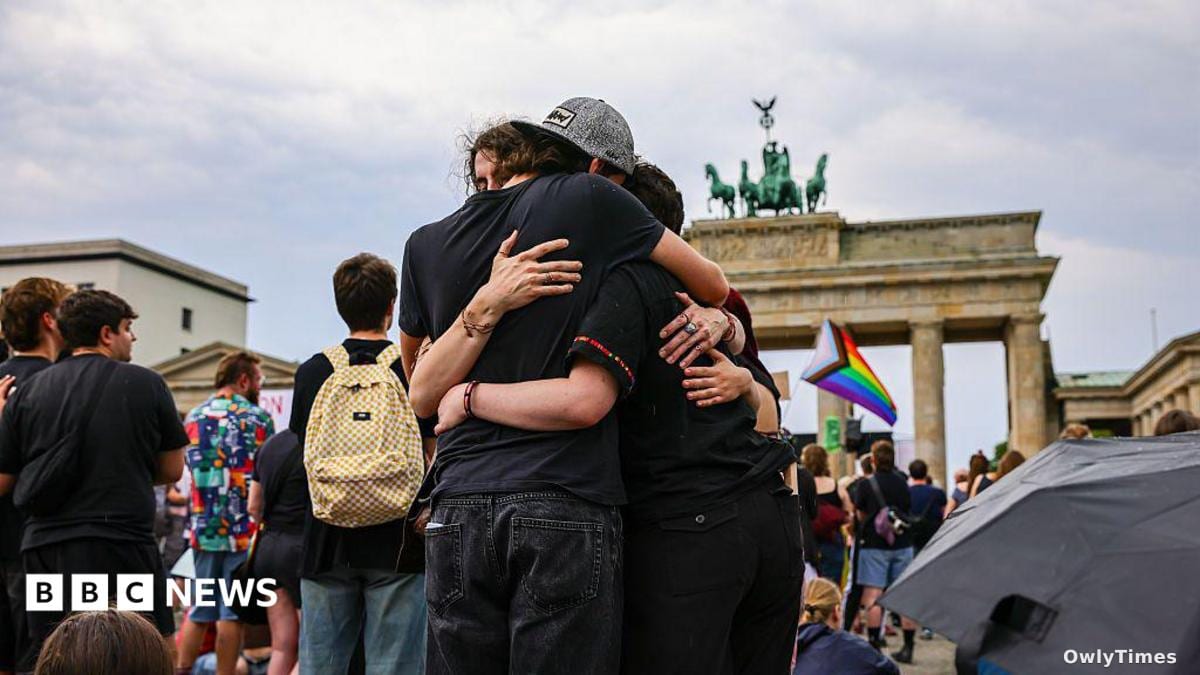
The joint U.S. and Israeli "Operation Epic Fury" targeted a broad array of Iranian assets, from naval and missile sites to command and control headquarters, culminating in the killing of Khamenei at his compound. This act, described by Defense Secretary Pete Hegseth as the "most lethal, most complex, and most-precision aerial operation in history," was premised on the belief that Khamenei was a personal impediment to any diplomatic resolution regarding Iran's nuclear ambitions. However, the immediate aftermath has been a stark illustration of the inherent risks of such a strategy. While mourners in Tehran's Revolution Square chanted "God is great!" and President Masoud Pezeshkian vowed "terrifying blows" in revenge, reports also emerged of young people dancing in the streets outside Tehran and shouts of "long live the shah" – a potent echo of the 1979 revolution. This fractured public response underscores the deep internal tensions Khamenei's death has exposed, rather than resolved, leaving the country poised between revolutionary fervor and popular dissent.
Iran's Leadership in Crisis: Echoes of the Past
The abrupt death of Khamenei has thrown Iran into an unprecedented leadership vacuum. The succession process, always opaque, was already complicated by the helicopter crash in May 2024 that killed former President Ebrahim Raisi, a hardliner widely considered Khamenei's most likely successor. Now, with "dozens" of other senior Iranian officials reportedly killed in the strikes, the crisis is profound. While Ali Larijani, Secretary of the Supreme National Security Council, announced a "temporary leadership council" would be formed, and the Guardian Council confirmed the urgent need for a new leader, the path forward is fraught. Khamenei's second son, Mojtaba Khamenei, is among the contenders, yet his lack of popularity and religious credentials, coupled with the strong societal disapproval of "father-to-son succession" – a direct legacy of the 1979 overthrow of the U.S.-backed monarchy of Shah Mohammad Reza Pahlavi – presents significant barriers. The situation recalls the inherent instability of transitions in highly centralized, ideological states, where the cult of personality often overshadows institutional mechanisms, leaving a void that external forces may seek to exploit, often with unpredictable and destabilizing results.
Reporting from NBC News informs this analysis.
The Widening Conflict and Its Human Cost
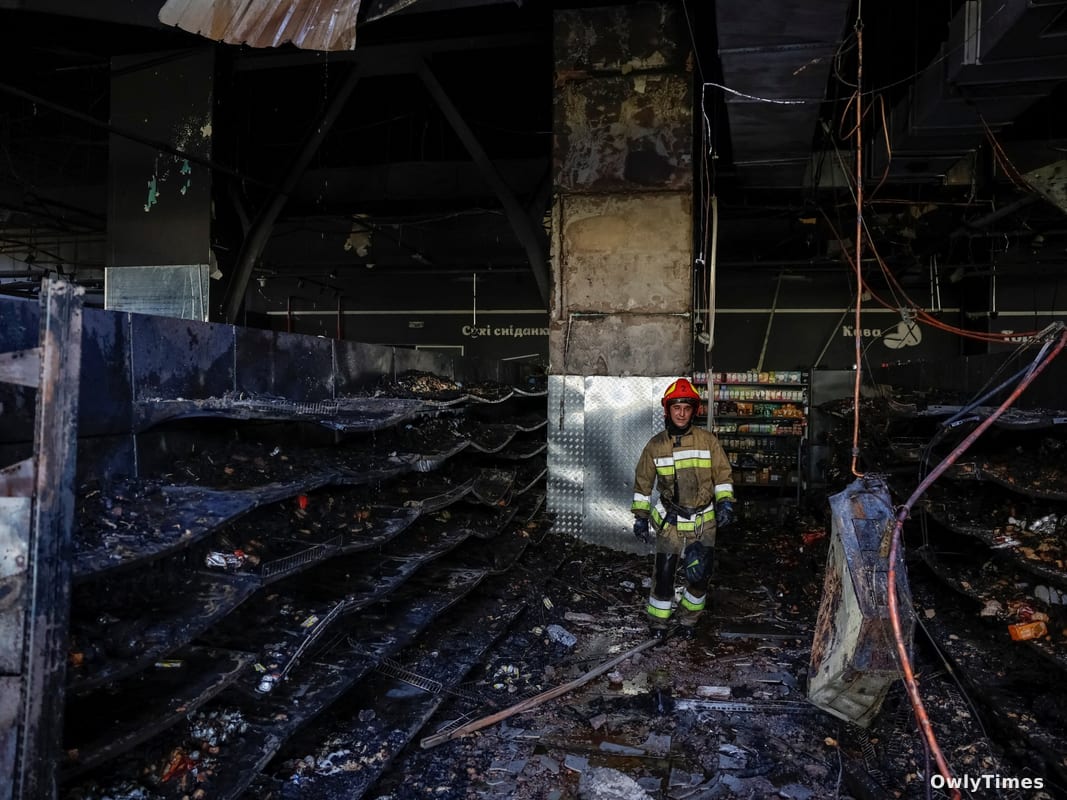
The strategic goal of removing Khamenei to facilitate a "different Iran" has immediately triggered widespread retaliation, making regional and global stability the clear loser. Iran's proxies, notably Hezbollah in Lebanon, swiftly launched missiles at Israel in "retaliation for the pure blood of the supreme leader," drawing Israeli counterattacks on Hezbollah locations. Beyond direct belligerents, Iran's "indiscriminate and reckless" missile and drone attacks targeted at least seven countries, including Bahrain, Iraq, Jordan, Kuwait, Qatar, Saudi Arabia, and the United Arab Emirates. Civilian infrastructure was hit, from major international airports in Dubai, Kuwait, and the UAE, to hotels and residential areas in Bahrain and Qatar. Tragically, a girls' school in Minab, Iran, was struck, with 165 bodies recovered from the rubble, prompting condemnation from Nobel laureate Malala Yousafzai. In Israel, at least nine people were killed and 28 injured in missile strikes on Beit Shemesh, with first responders highlighting the targeting of civilian areas. This broad, destabilizing response, which some analysts, like H.A. Hellyer, describe as "bizarre" and likely to "backfire," has demonstrably put civilians across the region in harm's way, raising the prospect of a conflict that spreads far beyond the initial strategic objective.
Global Repercussions and the Fading Diplomatic Path
The economic and diplomatic fallout of this strategic intervention has been swift and severe. Oil prices surged, with U.S. crude soaring 12% and Brent, the international benchmark, jumping 14%, despite OPEC+ announcing an increase of 206,000 barrels per day in production to calm markets. The vital Strait of Hormuz, through which over 20% of daily global oil supply passes, has seen dozens of cargo shipping companies halt vessels, hinting at wider supply chain disruptions. Diplomatically, efforts to revive the Joint Comprehensive Plan of Action (JCPOA), from which the Trump administration withdrew in 2018, have been severely undermined. Omani Foreign Minister Badr al-Busaidi lamented that ongoing negotiations had been "undermined by this weekend's attack," while the Arms Control Association labeled the attack an "illegal war of choice" that occurred just as U.S. and Iranian negotiators were making "significant progress." This re-escalation directly contradicts the sentiment expressed by Sen. Tim Kaine, who criticized Trump's previous decision to "rip up" the nuclear deal, questioning if he had "learned nothing from decades of U.S. meddling." The current crisis reveals a profound tension: the desire for decisive action against perceived threats versus the long-term, often negative, consequences of abandoning diplomatic pathways and historical precedents of intervention.
The immediate political chess move to watch will be the formation and actions of Iran's temporary leadership council. Will it consolidate power swiftly and decisively, or will internal divisions and popular unrest create openings for further instability? How this interim body navigates both the retaliatory impulse and the immense pressure of succession will determine whether the region descends further into conflict or if a new, albeit fragile, equilibrium can be found. The choice between continued escalation and a renewed, albeit difficult, path to diplomacy hangs precariously in the balance.