
The blue glow of the television screen in the living room serves as a modern hearth, but tonight, the fire is fueled by a complex mosaic of competing narratives. As the clock ticks toward the 8:00 PM hour, millions of viewers are not just choosing a channel; they are choosing a reality. We are witnessing a shift where the rigid linearity of traditional broadcast schedules—once the backbone of American cultural consensus—is being fractured into a hyper-personalized ecosystem of choice.
The Fragmentation of the Evening Prime
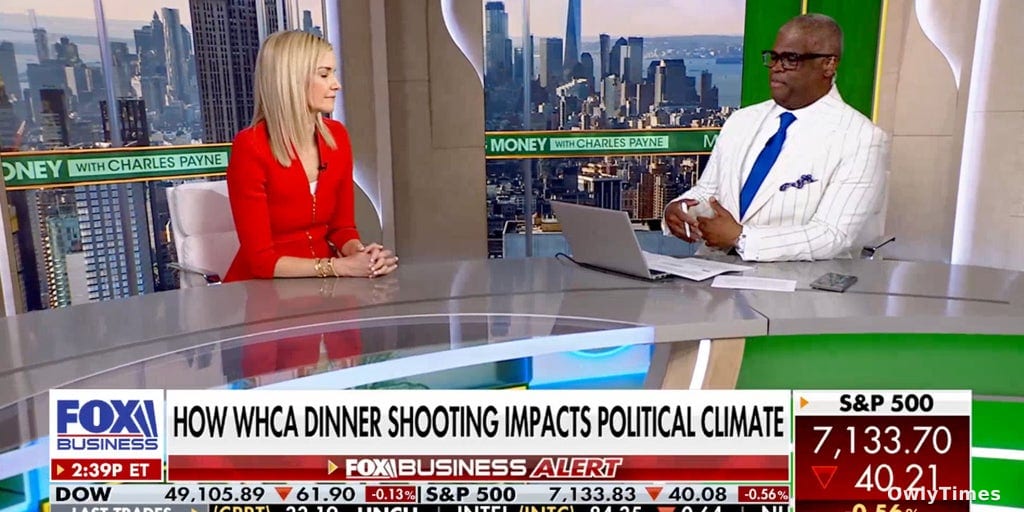
The current television landscape is defined by a dense layering of options, with Fox Business Channel anchoring the early evening with Kudlow at 7:00 PM, followed by the back-to-back iterations of The Fixer running through 10:30 PM. Simultaneously, the Fox News Channel architecture demands attention with The Ingraham Angle, Jesse Watters Primetime, Hannity, and Gutfeld!. These aren't merely shows; they are distinct rhythmic pulses that dictate the cadence of the American night. When we look at these schedules, we aren't just seeing content blocks; we are seeing the intense competition for the viewer's finite attention span in a 24-hour cycle.
A Global Stage Meets Domestic Tensions
Beyond the domestic political fray, the television grid offers a jarring juxtaposition of high-stakes international pageantry and cable news combat. While the Fox Weather Channel maintains a live stream for those tracking the elements, the Fox News Channel provides a window into the diplomatic sphere with the King Charles III and Queen Camilla White House State Dinner. This collision of the regal and the raw—seeing a royal visit hosted mere clicks away from the partisan fervor of primetime commentary—encapsulates the unique pressures of the contemporary media diet. The ability to toggle between the pomp of a state dinner and the pointed critiques of primetime anchors is a defining feature of the modern viewing experience.
The Mechanics of Constant Connectivity
The digital infrastructure supporting these broadcasts has fundamentally altered our relationship with information. The presence of a "Live Now" indicator across platforms—from FOX News Radio to specialized live streams—creates a persistent sense of urgency. We are no longer waiting for the morning paper or the evening broadcast; we are immersed in a state of continuous, real-time consumption. The "picture-in-picture" functionality mentioned in the broadcast data is the ultimate metaphor for our era: we are perpetually attempting to watch two things at once, balancing the weight of world events with the immediacy of localized, cable-driven narratives.
Why the Grid Defines Our Cultural Climate
This era of total accessibility is not without its costs. By providing a menu that spans from the weather and royal diplomacy to the high-octane political discourse of the 10:00 PM hour, the industry has placed the burden of curation entirely on the viewer. The significance of this moment lies in the erosion of the "watercooler moment," replaced by a fractured landscape where two neighbors might watch the same channel but experience entirely different versions of the world. As we look ahead, the next reading of viewer engagement metrics across these live streams and cable channels will show whether the audience continues to favor this high-density, multi-platform approach, or if the fatigue of constant, conflicting information will lead to a new shift in how we engage with the screen.