
The Unexpected Genetic Recovery of Australia’s Koalas
The narrative surrounding species decline often focuses on irreversible loss – a dwindling of genetic diversity leading to inevitable extinction. But a new study published March 5th in Science challenges this bleak outlook, revealing a surprising and rapid genetic recovery in the koala populations of southeastern Australia. This isn’t simply a story of numbers rebounding; it’s a demonstration of how genetic variation, the raw material for adaptation, can be restored even after a severe population bottleneck. The implications extend far beyond the eucalyptus forests of Victoria, offering a cautiously optimistic perspective for conservation efforts worldwide.
Drawn from sciencenews.org.
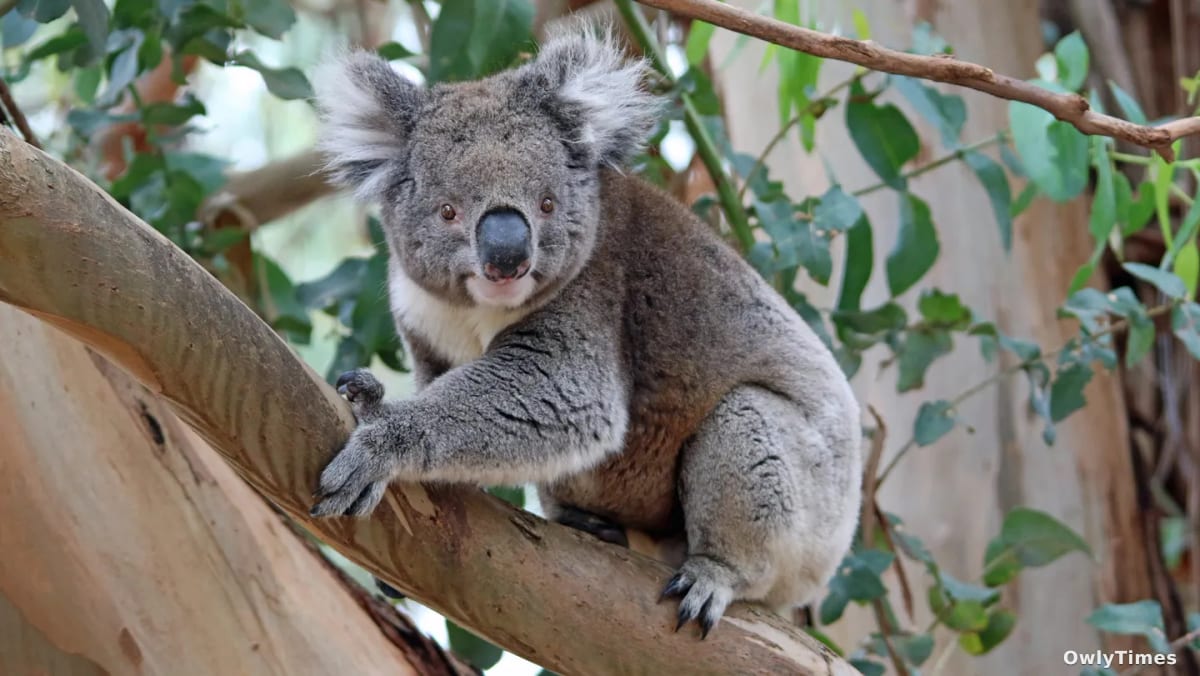
The koala (Phascolarctos cinereus) experienced a dramatic decline in the early 20th century, driven by the devastating demand for their fur. By the 1900s, the population in the Australian state of Victoria plummeted to an estimated 500 individuals. While conservation efforts, including translocation to island populations and subsequent reintroduction to the mainland, successfully boosted numbers to nearly half a million by 2020, a critical question remained: had this rapid growth come at a genetic cost? Initial concerns centered on the potential for inbreeding and the associated health problems – deformities, reduced fertility, and increased susceptibility to disease – that typically plague species recovering from such drastic reductions. Collin Ahrens, an evolutionary biologist at Cesar Australia, explains that these consequences arise when “that’s where you get deformities, poor health, things of that nature.”
To investigate, Ahrens and his team analyzed a comprehensive genetic database encompassing 418 koalas from 27 populations across eastern Australia. Their analysis didn’t just count genes; it reconstructed the demographic history of each population, estimating the timing and magnitude of population declines and subsequent recoveries. What they found was unexpected. While Victorian koalas initially exhibited lower genetic diversity – a clear echo of their near-extinction – this wasn’t a static condition. As the population rapidly expanded, a remarkable process unfolded: the reshuffling of existing genes, coupled with the emergence of new mutations, began to generate novel genetic combinations.
This isn’t to say Victorian koalas now boast the same genetic richness as populations that haven’t experienced such a severe bottleneck. The underlying genetic diversity remains lower. However, the increased mixing and matching of genes significantly increased the likelihood of offspring inheriting beneficial traits without also inheriting harmful ones. The researchers have already observed preliminary evidence of this benefit, noting a reduction in the incidence of tooth and testicle malformations in the Victorian koala population – a potential consequence of this genetic revitalization. This process mirrors what’s often seen in invasive species, which, starting from a small founder population, can rapidly regain genetic variation through interbreeding and mutation, as exemplified by the Roesel’s bush cricket (Metrioptera roeselii) in Sweden.
The study’s findings align with established evolutionary theory, which predicts that population growth can drive genetic recovery. As Cock van Oosterhout, an evolutionary geneticist at the University of East Anglia, notes, “empirical data is still rare, and it is encouraging to observe this directly in a wild species.” This research demonstrates that a species’ genetic toolkit isn’t necessarily permanently limited by a past bottleneck, provided conditions allow for rapid and sustained population growth. This realization, Ahrens believes, could fundamentally shift the approach to conservation genetics, moving beyond simply documenting loss to actively fostering conditions for genetic restoration.
However, it’s crucial to avoid overstating the implications. While the Victorian koala story offers a hopeful counterpoint to the typical narrative of genetic decline, it’s not a universal solution. Van Oosterhout cautions that other recovered species, like whooping cranes and Seychelles paradise flycatchers, continue to grapple with persistent genetic issues. He suggests that rapid population growth may be a crucial first step in recovery, but more targeted interventions – potentially including assisted gene flow or even genetic modification – may be necessary to fully address the long-term genetic health of vulnerable species. The situation in northern Australia, where koala populations are currently declining despite possessing higher initial genetic diversity, further underscores the complexity of the issue.
The next critical step for researchers is to monitor the long-term consequences of this genetic recovery in Victorian koalas. Will the observed reduction in malformations persist? Will the population demonstrate increased resilience to emerging threats, such as climate change and disease? And, perhaps most importantly, can the lessons learned from this success story be applied to other species facing similar challenges? Specifically, conservationists should be watching for whether similar genetic rebounds occur in other species undergoing rapid population growth following severe bottlenecks, and whether the speed of recovery correlates with the intensity of conservation management. The future of biodiversity may depend on our ability to not only prevent extinction, but to actively rebuild the genetic foundations of life.