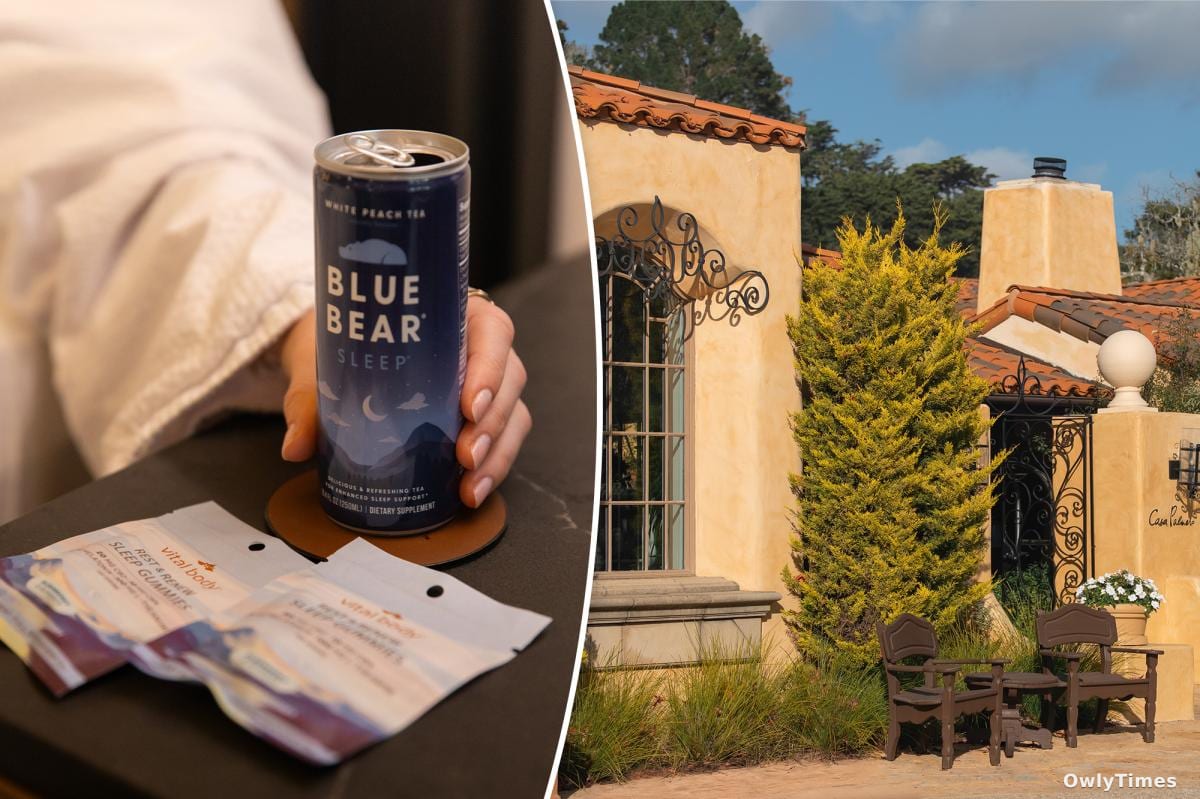

Can a hotel room truly serve as an extension of a clinical recovery space? This is the underlying question posed by the hospitality industry’s latest pivot: moving away from the traditional, snack-heavy mini bar toward what is being billed as the "wellness mini bar." While the concept of in-room service has historically focused on indulgence, the shift at Casa Palmero at Pebble Beach Resorts suggests a desire to commodify the recovery process, allowing guests to bypass the commute to a spa in favor of localized, high-tech intervention.
The operational reality of this amenity involves a curated menu of high-end recovery hardware. Lara Davidson, General Manager at Casa Palmero, notes that the initiative was born from the observation that travelers increasingly seek to maintain wellness routines without leaving their immediate environment. The offerings are not merely amenities; they are professional-grade tools. The menu features equipment from Hyperice, including leg compression boots retailing for $1,099, a heat-and-vibration wrap priced at $269, a $499 knee therapy wrap, and a $299 percussion massage device. For a rental fee of $30 per 24 hours, guests gain access to technology that would typically require a visit to a sports medicine clinic or a dedicated physical therapy center.
The inclusion of these devices raises a critical distinction between actual medical recovery and the "spa-level experience" the resort promotes. While the devices—such as the Higher Dose sauna blanket ($699) and the $1,295 Infrared PEMF mat—are marketed for their restorative properties, they are not a substitute for clinical care. The study of wellness tourism often conflates relaxation with physiological recovery. Here, the "wellness mini bar" functions as a bridge, providing high-value equipment for short-term use. The rental cost of $45 for 24 hours for Higher Dose tools suggests that the hotel is banking on the consumer’s desire for convenience over the high capital expenditure of owning such devices outright.
Limitations to this model are significant, particularly regarding the efficacy of self-directed use. Without the guidance of a trained physical therapist or a certified wellness practitioner, the use of vibration-based recovery tools or infrared mats remains largely in the realm of subjective comfort rather than objective medical treatment. The secondary component of the mini bar—melatonin tea, CBD sleep gummies, a CBD soak, and eye masks—highlights the industry’s focus on sleep hygiene. This mirrors broader trends seen at properties like the Equinox Hotel New York, which utilizes a "Sleep Lab" and personalized room programming to manage circadian rhythms.
While the trend is gaining traction, the next stage of research will need to determine if these passive, in-room wellness interventions actually result in improved health outcomes for travelers. The current iteration is a consumer-facing convenience, but the long-term viability of these programs will depend on whether guests perceive a measurable difference in their recovery or sleep quality. As more properties, such as the Andaz 5th Avenue with its "Wellness Suites" and Lululemon’s Studio Mirror, integrate these services, the next reading of customer utilization rates and guest satisfaction scores will indicate whether this is a genuine shift in travel standards or a fleeting novelty in the luxury market.





