
Is art now just a beta test for Silicon Valley? The Los Angeles County Museum of Art (LACMA) recently announced its 2026 Art + Technology Lab Request for Proposals, and while the press release trumpets “innovation” and “collaboration,” the sheer scale of the backing – a partnership extended with Hyundai Motor Company until 2037, representing LACMA’s largest ever corporate commitment – feels less like patronage and more like a strategic investment. The real story here isn't about fostering artistic expression; it’s about tech companies quietly shaping the cultural narrative around their own advancements, using artists as highly visible, critically-engaged PR.
Since relaunching the Lab in 2013, LACMA has supported 45 artist projects and hosted 121 public events, all geared towards bridging the gap between creative vision and technological possibility. Artists can apply for awards up to $50,000, a significant sum, but one that feels almost… calibrating. It’s enough to build a prototype, to explore an idea, but not enough to truly disrupt the systems these technologies represent. The application deadline is Wednesday, April 22, 2026, at 11:59 pm PT, and the call is open to anyone with a project exploring “emerging or changing technologies.” But what technologies are not being explored? And who decides what constitutes a “critical” approach?
The Hyundai Factor: Beyond Corporate Sponsorship
The extension of the partnership with Hyundai until 2037 is the key to understanding LACMA’s ambitions. This isn’t a simple donation; it’s a long-term strategy to position the automaker at the forefront of cultural conversations surrounding technology. Consider the context: the automotive industry is undergoing a seismic shift towards electric vehicles, autonomous driving, and connected car ecosystems. By funding art that engages with these themes, Hyundai isn’t just supporting creativity, it’s actively shaping public perception. The $50,000 grants, while valuable to artists, represent a tiny fraction of Hyundai’s marketing budget – a calculated investment in “soft power.”
This piece references the blooloop.com report.
This isn’t necessarily nefarious, but it’s crucial to acknowledge the power dynamics at play. The Lab’s new two-year grant cycle, supporting cohorts of 3-5 artists alongside invitational projects, is designed to foster “closer collaboration” and “ongoing artistic growth.” But closer collaboration with whom? The press release emphasizes support from “private partners in technology and science,” but rarely names them specifically. This opacity raises questions about the level of influence these partners exert over the artistic process.
A Biennial Ecosystem: Symposiums, Demos, and Publications
LACMA is building an entire ecosystem around the Art + Technology Lab. The planned biennial Symposium and Demo Day, starting in 2028, will provide platforms for artists to showcase their work and engage with the public. The release of a 10-year anniversary publication, highlighting the achievements of past grant recipients, is a smart move – solidifying the Lab’s legacy and attracting future applicants. The new “Hyundai Project” exhibition series, focused on artists linked to Los Angeles and the Pan Pacific region, further cements the automaker’s brand identity within the local art scene. This isn’t about isolated projects; it’s about creating a self-sustaining cycle of innovation, publicity, and corporate branding.
However, the focus on “public participation” feels somewhat performative. While the Symposium and Demo Day are open to the public, the actual decision-making process – who gets funded, what projects are prioritized – remains largely opaque. The Lab risks becoming an echo chamber, reinforcing existing technological trends rather than challenging them. The 121 public events held since 2013 are a good start, but genuine engagement requires more than just passive viewership.
Beyond the Galleries: LACMA’s Broader Transformation
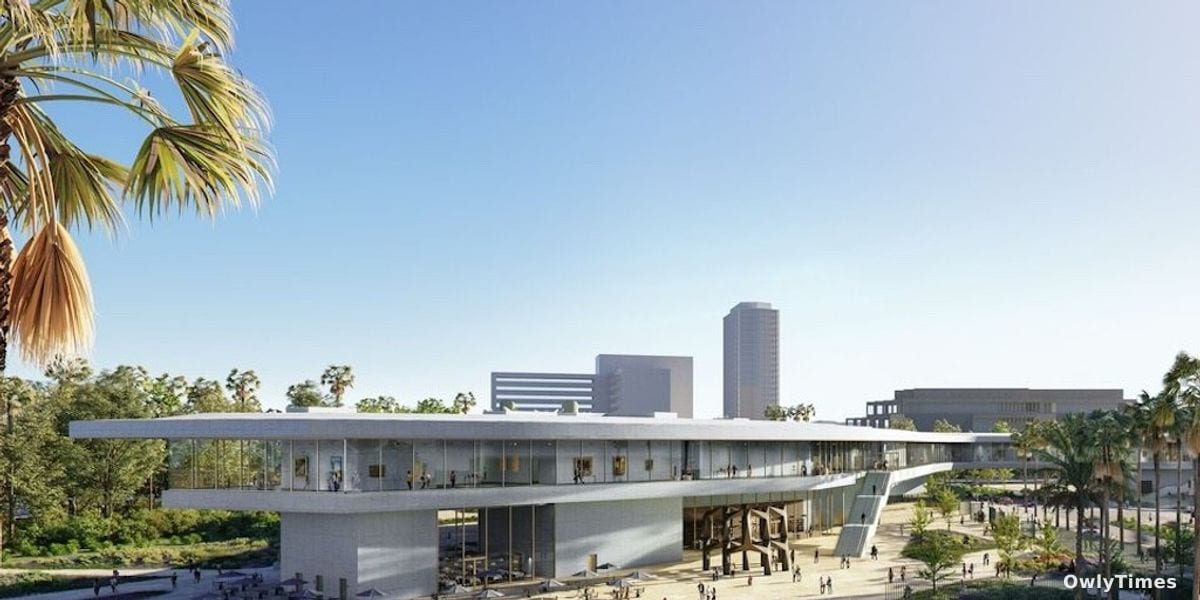
The Art + Technology Lab’s expansion coincides with the opening of LACMA’s new David Geffen Galleries in April 2026, designed by Peter Zumthor. This 110,000 square foot space will display 2,500-3,000 objects from the museum’s collection, offering a dramatically expanded platform for showcasing art. The timing is deliberate. LACMA is positioning itself as a leading cultural institution in the 21st century, one that embraces technology and innovation. But this transformation raises a fundamental question: will LACMA prioritize artistic integrity or corporate interests?
The museum’s reliance on corporate funding – particularly from a company like Hyundai – inevitably shapes its programming and its mission. It’s a trade-off, and one that many cultural institutions are grappling with. But LACMA’s embrace of this model feels particularly pronounced, blurring the lines between art, technology, and marketing.
Here’s what to watch for: in the next two years, pay attention to who is invited to participate in the Lab’s “invitational projects.” Are these artists genuinely pushing boundaries, or are they simply reinforcing the narratives that Hyundai wants to promote? The success of the Art + Technology Lab won’t be measured by the number of projects it funds, but by its willingness to challenge the status quo – even if that means challenging its own sponsors.