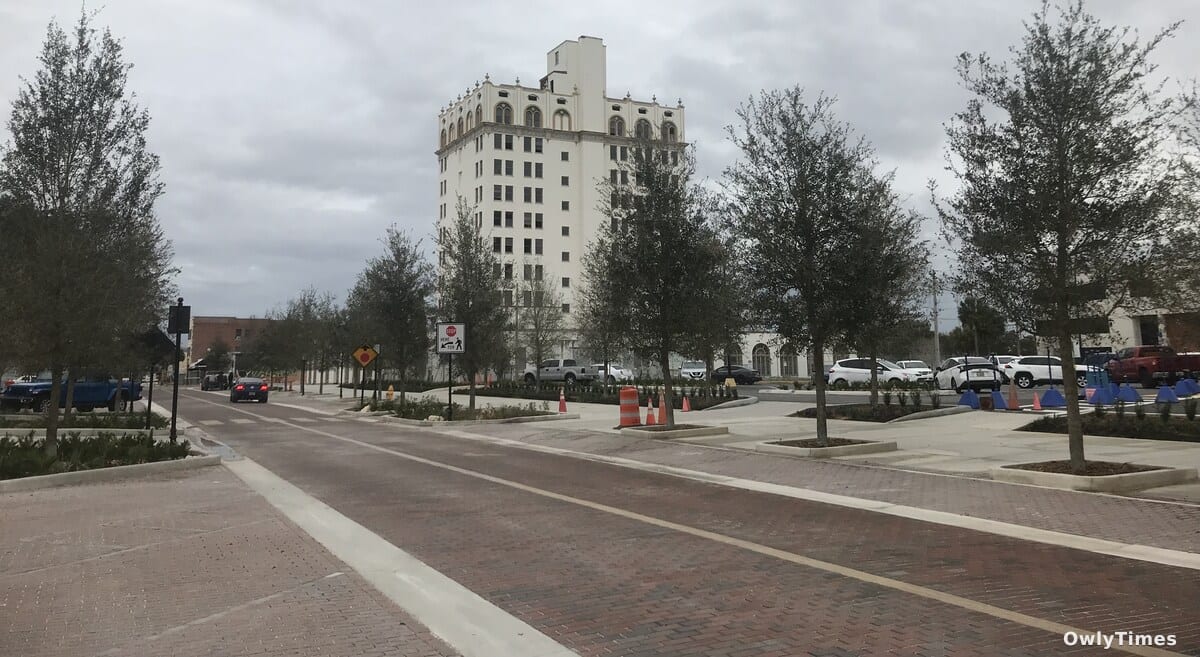

The scent of orange blossoms hung heavy in the air as I walked along Central Avenue in Lake Wales last week, the late afternoon sun casting long shadows on the newly laid brick streetscape. A jazz trio was setting up in Market Plaza, the heart of a downtown poised on the brink of something new. It wasn’t the music itself, but the anticipation of it – the expectation of a crowd, of laughter, of money changing hands – that felt like the real story. Because in a few weeks, that scene will come with a twist: a glass of wine in hand. Lake Wales is betting that a little bit of permissible public drinking is the key to unlocking a long-dormant economic potential, and it’s a gamble that’s dividing the city even as it captures the attention of Florida’s revitalization efforts.
A Calculated Risk for a Historic Downtown
The move to establish an “Arts, Culture and Entertainment” (ACE) district, awaiting final approval from Governor Ron DeSantis, isn’t about encouraging public intoxication. It’s about chasing a proven economic model. Cities like Panama City, Asheville, and Savannah have all seen demonstrable boosts in foot traffic and revenue after implementing similar open-container policies. Lake Wales City Manager James Slaton frames it as more than just economics, though. “This economic strategy has proven to boost foot traffic and business in other U.S. cities, but more importantly the ACE district will create a sense of place in our downtown,” he said. But the “sense of place” argument feels particularly crucial here, in a city grappling with a history of economic decline and a desire to reclaim its identity. For decades, Lake Wales has been overshadowed by its larger Polk County neighbors, its beautiful historic center slowly fading. The Walesbilt Hotel, a grand landmark, has stood vacant for years, a stark symbol of lost prosperity.
The ACE district, bounded by Central and Orange Avenues, First Street and Scenic Highway, is just one piece of a larger revitalization puzzle. The city is already investing in streetscapes and the redesign of Market Plaza, hoping to create a more inviting atmosphere. But the open-container provision is the most visible, and arguably the most controversial, element. It’s a deliberate attempt to inject “night life” into a downtown that currently rolls up the sidewalks after 5 pm. Currently, only two businesses – Melanie’s Seafood Company and The Thirsty Dragon – serve alcohol within the district, and neither has yet confirmed participation, which requires the use of branded, clear plastic cups. This cautious approach highlights a tension at the heart of the plan: balancing economic development with community concerns.
Based on the original lakewalesnews.net report.
The Divide on Downtown’s Future
The 3-2 vote on the ordinance reveals a deep split within the city commission. Commissioners Carol Gillespie and Daniel Williams voiced their opposition, and their concerns echo those of some residents who fear the potential for increased noise, public disorder, and a shift in the character of the downtown. It’s a familiar debate: the tension between progress and preservation, between attracting new businesses and maintaining the quality of life for existing residents. This isn’t simply a Lake Wales issue. Across Florida, and the nation, cities are wrestling with how to revitalize their downtowns in a post-pandemic world. The traditional model of relying on anchor retail stores is crumbling, and cities are increasingly looking to experiential retail – entertainment, dining, and cultural attractions – to draw people in. But that shift often comes with trade-offs.
The success of the ACE district hinges on attracting the right kind of businesses. The ordinance specifically excludes liquor stores and nightclubs, signaling a desire to cultivate a more upscale, family-friendly atmosphere. The upcoming “Cork and Keys” wine walk on April 9th, already a popular event, offers a glimpse of what city officials envision: a vibrant, walkable downtown where people can enjoy a glass of wine while browsing the shops and listening to live music. But the question remains: will that be enough to attract the investment needed to truly transform the area? The city is hoping the district will incentivize new bars and restaurants, but the economic climate remains uncertain, and the success of similar districts elsewhere doesn’t guarantee a similar outcome in Lake Wales.
Beyond the Headlines: A Question of Identity
What’s happening in Lake Wales isn’t just about alcohol sales and economic development. It’s about a city trying to redefine itself. For years, Lake Wales has been defined by its agricultural roots and its proximity to larger urban centers. The ACE district is an attempt to create a new identity, one that celebrates the city’s historic charm and artistic potential. The lush landscaping and the redesigned Market Plaza are visual cues, signaling a commitment to creating a more attractive and inviting environment. But the real test will be whether the city can attract a critical mass of businesses and residents who share that vision.
Lake Wales is the first city in Polk County to take this step, positioning itself as a pioneer in a region often overlooked for its cultural and entertainment offerings. But the real question isn’t whether the ACE district will boost revenue – it’s whether it will foster a genuine sense of community and create a downtown that residents are proud to call their own. Will the clear plastic cups become a symbol of revitalization, or a reminder of a gamble that didn’t quite pay off? That’s what everyone in Lake Wales, and those watching similar efforts unfold across Florida, will be watching closely to find out.