
From $1 Cookies to $100 Million: The Generational Wealth Effect in Food & Beverage
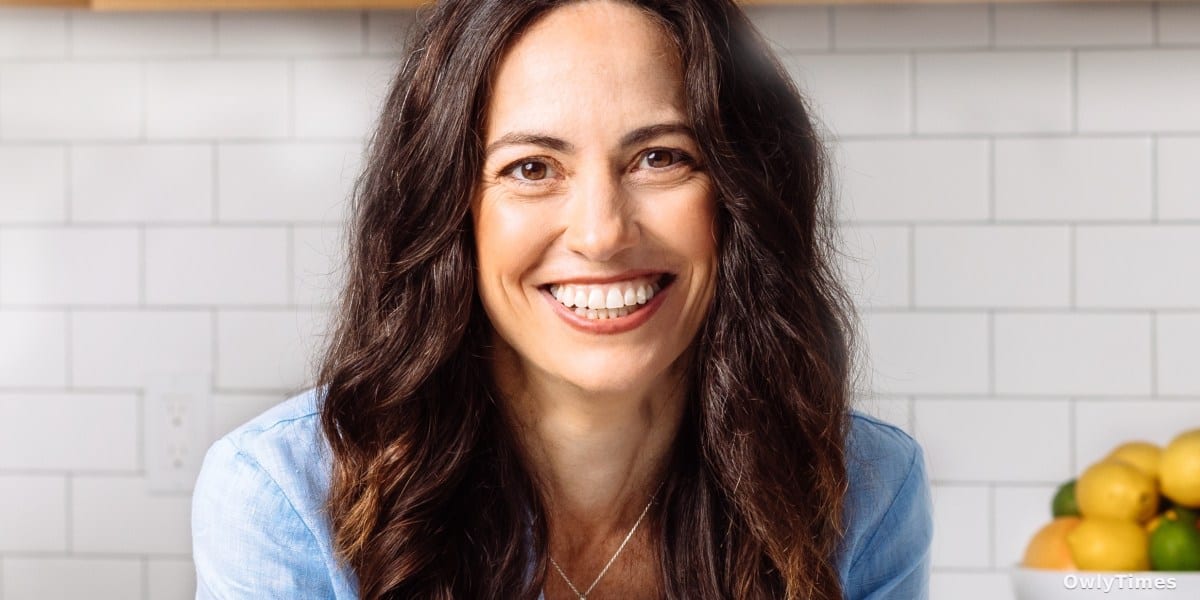
$100 million in annual sales. That’s the figure Nicole Bernard Dawes achieved with her organic tortilla chip brand, Late July, but it’s a number that obscures a far more compelling story: the demonstrable impact of inherited business acumen and a carefully cultivated network. Dawes’ trajectory, from a 12-year-old entrepreneur selling cookies from a wagon to a multi-brand founder, isn’t simply a tale of individual drive; it’s a case study in how early exposure to financial literacy and mentorship can exponentially increase the odds of entrepreneurial success. Following the money reveals a pattern of strategic reinvestment – not just of capital, but of knowledge – that has defined Dawes’ career.
This piece references the Fortune report.
Dawes’ initial $500 summer earnings from her childhood cookie business, while modest, weren’t merely pocket money. They represented a foundational understanding of cost of goods, pricing, and marketing – lessons reinforced by her father, Steve Bernard, founder of the $4.87 billion Cape Cod potato chip brand. Bernard didn’t dismiss his daughter’s early venture as a childish whim; he actively engaged her with the fundamentals of business, even sharing profit and loss statements at a young age. This early immersion is statistically significant. Research from the Kauffman Foundation consistently demonstrates that children of entrepreneurs are twice as likely to start their own businesses, and this advantage is amplified when coupled with direct mentorship.
The 1980 launch of Cape Cod potato chips provides crucial context. The snack food industry in that era was undergoing a shift towards premiumization and regional branding. Bernard capitalized on this trend, building a brand synonymous with New England quality. This understanding of category recreation – identifying underserved niches and building brands to fill them – became a guiding principle for Dawes. She explicitly states her career has been “trying to recreate all the products that I couldn’t have as a child,” a strategy mirroring her father’s success in defining a new segment within a mature market. The subsequent sale of Cape Cod to Anheuser-Busch, and later to Lance, demonstrates the potential for significant returns within the snack food sector, a lesson Dawes clearly internalized.
The timing of Dawes’ return to Cape Cod after her brief stint in management consulting is also telling. Her father had just repurchased the company, leaving it stripped of its manufacturing, distribution, and retail partnerships. This crisis presented a unique opportunity for Dawes to apply her education and inherited business instincts. Four years of focused rebuilding culminated in another sale, but this time, Dawes was prepared to leverage that experience into her own venture. Launching Late July in 2003, while pregnant, wasn’t a coincidence. It was a calculated risk, built on a foundation of familial knowledge and a proven market understanding. The $100 million in annual sales achieved by Late July before its acquisition by Campbell’s isn’t just a revenue figure; it’s a quantifiable return on decades of accumulated business intelligence.
Today, Dawes is applying those lessons to Nixie, her zero-sugar soda brand. The $27 million in funding raised in 2025 and distribution in over 11,000 stores, including Whole Foods, Sprouts, and Amazon, positions Nixie to compete in the rapidly expanding health-conscious beverage market. This market, currently dominated by brands like Olipop and Poppi, is projected to reach $20 billion by 2028, according to a recent report by Grand View Research. However, Nixie’s success isn’t solely reliant on market trends. Dawes’ deliberate cultivation of a network of 20 female founders provides a crucial competitive advantage – a peer-to-peer support system that addresses the unique challenges faced by women in entrepreneurship. This network isn’t simply a social circle; it’s a collective intelligence, a resource for problem-solving and strategic guidance.
What this means for your wallet: The Dawes story highlights a critical dynamic in the consumer packaged goods market. Brands built on a foundation of generational knowledge and strategic networking are better positioned to navigate market volatility and deliver consistent returns. As a consumer, this translates to a greater likelihood of encountering innovative, high-quality products from companies with a long-term vision. But more importantly, watch for the rise of “founder-led” brands – companies where the founder remains actively involved in shaping the brand’s direction and values. Will Nixie’s continued success depend on Dawes’ ability to replicate the mentorship model she benefited from, actively fostering the next generation of female entrepreneurs within her own company? That’s the key question to watch in the coming years.





