
The narrative around athlete endorsements has fundamentally shifted, and it’s not simply about celebrity wattage anymore. While high-profile athletes like Travis Kelce and Aaron Judge continue to lend their names to brands, a new dynamic is emerging – one where athletes aren’t just faces of a product, but active stakeholders, deeply invested in its formulation and ethos. This trend is perhaps most visibly embodied by Olivia Dunne, the former LSU gymnast who has rapidly become a leading figure in the world of Name, Image, and Likeness (NIL) deals, and whose choices are signaling a broader demand for authenticity and athlete agency in the wellness space. It’s not enough for an athlete to appear to believe in a product; consumers, particularly younger demographics, are looking for genuine alignment and demonstrable involvement.
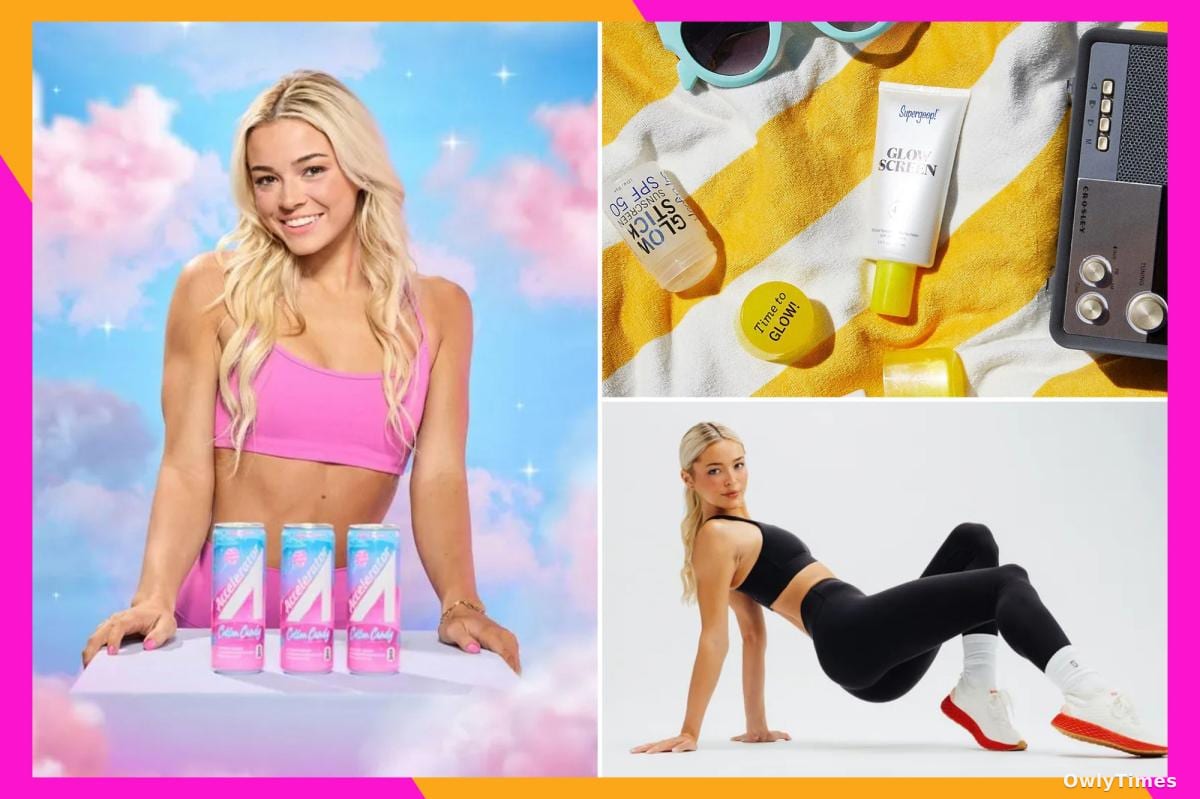
Dunne’s success isn’t merely a result of her athletic achievements or social media presence – though both are significant. With 2.3 million Instagram followers and an estimated earning of $3.2 million in NIL deals as of November 2023, she’s demonstrably the NCAA’s highest-earning female NIL athlete. However, the more compelling aspect of her brand is her proactive role in shaping the products she endorses. Her partnership with Accelerator Active Energy, culminating in the launch of her signature Cotton Candy flavor in April, exemplifies this shift. It’s a move that goes beyond a simple sponsorship; Dunne is an equity partner in the brand, a distinction that underscores her commitment and influence. This isn’t simply about attaching a famous face to an existing product; it’s about an athlete actively participating in its creation and direction.
Based on the original the New York Post report.
The choice of Accelerator Active Energy itself is noteworthy. The energy drink market is saturated with options often criticized for relying on synthetic ingredients like Taurine and Guarana. Accelerator distinguishes itself by utilizing a blend of natural caffeine, plant-based thermogenics, and antioxidants. For Dunne, this focus on a “clean” formula was paramount. “I’m really intentional about how I fuel my body,” she stated in an interview with The Post. “I want something that helps me stay focused and energized without a crash.” This statement reflects a growing consumer awareness – and athlete demand – for products that prioritize health and well-being over quick fixes. The emphasis on natural ingredients isn’t a marketing ploy; it’s a response to a genuine desire for transparency and quality in the wellness industry.
However, it’s crucial to understand what this partnership doesn’t signify. While Dunne’s involvement suggests a commitment to a healthier energy drink alternative, it doesn’t automatically validate the product’s efficacy or negate potential risks associated with caffeine consumption, even natural sources. The “natural” label doesn’t equate to “risk-free.” Furthermore, the success of her flavor doesn’t necessarily translate to broader market trends. While her influence is undeniable, it’s important to avoid overstating the impact of a single athlete’s endorsement on the entire energy drink industry. The data on consumer behavior will need to be tracked over time to determine if this represents a lasting shift in preferences.
Beyond Accelerator, Dunne’s curated selection of “everyday essentials” – Supergoop! Glowscreen SPF, NoBull sneakers, Vuori matching sets, and even wired headphones – reveals a consistent theme: prioritizing functionality, comfort, and a sense of effortless style. Her advocacy for Supergoop! Glowscreen, a sunscreen with added skincare benefits, aligns with a growing emphasis on preventative health and sun protection. Similarly, her endorsement of NoBull sneakers, co-owned by Tom Brady, speaks to the importance of stability and support for active lifestyles. These aren’t random choices; they reflect a carefully constructed personal brand that resonates with her audience. The inclusion of wired headphones, a seemingly anachronistic preference in the age of wireless technology, adds a layer of authenticity and relatability.
Looking ahead, the key question isn’t whether other athletes will follow Dunne’s lead – they already are. The more pertinent inquiry is how brands will adapt to this new paradigm of athlete involvement. Will we see more athletes becoming equity partners, actively shaping product development, and taking on greater responsibility for the brands they represent? And, critically, will this increased athlete agency lead to greater transparency and accountability within the wellness industry? The next phase of research should focus on tracking the financial performance of brands with athlete equity partners compared to those with traditional endorsement deals, and assessing consumer perception of authenticity and trust in these partnerships. The success of this model hinges on genuine collaboration and a shared commitment to quality, not just a lucrative contract.

