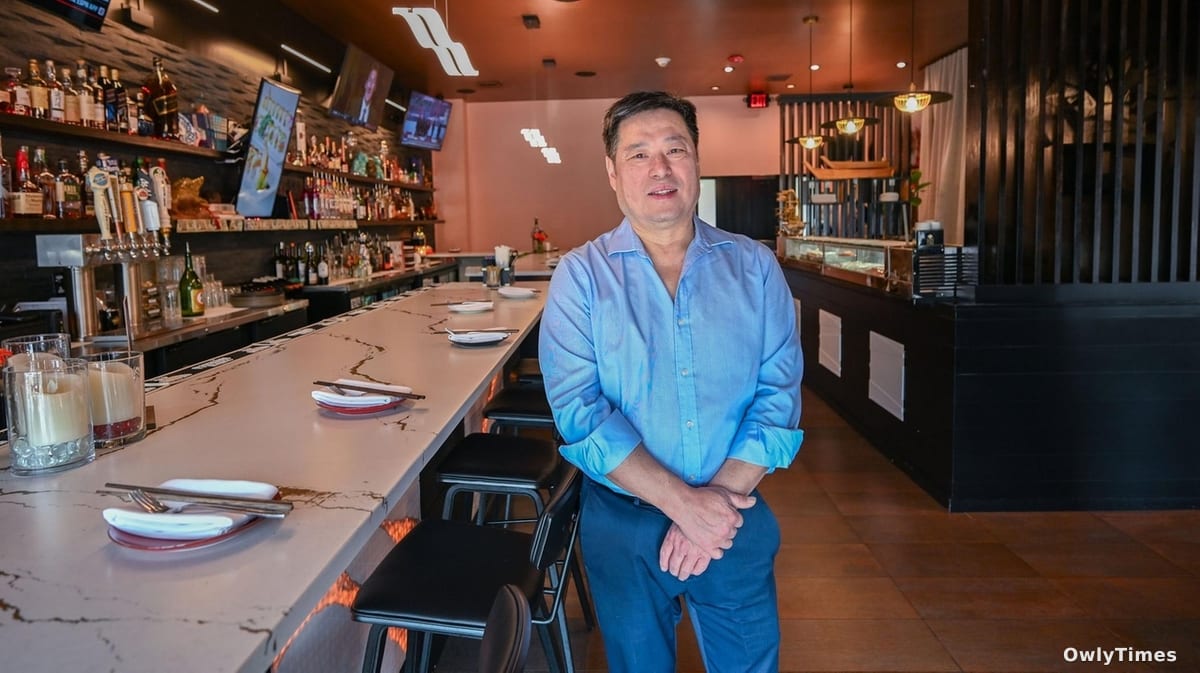

$1.1 million. That’s the total cost to resurrect Lotus, a Farmingdale restaurant nearly lost to a 2020 fire, and a figure that underscores a growing, often hidden, financial burden on businesses and homeowners facing disaster. The story of Lotus isn’t simply about rebuilding brick and mortar; it’s a case study in escalating costs, bureaucratic delays, and the complex interplay between insurance payouts, supply chain disruptions, and a tightening labor market. Follow the money, and a clear pattern emerges: the price of recovery is rising dramatically, even as the frequency of climate-related disasters remains stubbornly high.
Four years ago, Michael Chang watched firefighters battling the blaze at his family’s restaurant, a landmark in Farmingdale since 1988. While the fire itself impacted roughly half the building, the entire structure required a complete overhaul, a reality that quickly translated into a nine-figure rebuild. Chang and marketing manager Jim Sabellico spent two years navigating a labyrinth of permitting issues and a construction landscape plagued by labor shortages, ultimately landing at a final cost of $1.1 million. This figure isn’t an outlier. Across Long Island, the average insurance claim payout jumped 67.2% – from approximately $14,000 in 2019 to $23,400 in 2025 – despite a 45.68% decrease in the total number of claims filed. This inverse relationship reveals a critical trend: while fewer properties are being impacted, the cost to repair those that are is soaring.
Based on the original newsday.com report.
The initial shock of the fire was compounded by the realities of insurance claims. While Chang’s insurance covered 90% of the rebuild, leaving him responsible for the remaining 10%, that 10% included a $9,000 monthly mortgage payment on a shuttered business. The insurance payout wasn’t a lump sum; installments arrived over months, forcing Chang to take on Uber driving to cover expenses. This staggered payment structure, explained by insurance broker Tom Donohue as a verification measure, highlights a common friction point. Insurers release funds incrementally to ensure proper use, but this creates a cash flow crisis for businesses already reeling from lost revenue. This is further exacerbated by the fact that insurance typically doesn’t cover upgrades, meaning owners are left to shoulder the cost of modernizing during the rebuild.
The timing of the fire – just before the full force of pandemic-era inflation hit – proved particularly damaging. According to a 2022 analysis by the Associated General Contractors of America, construction material costs nationally surged over 20% between January 2021 and January 2022. Robert Fonti, chairman of the Suffolk County Alliance of Chambers, succinctly puts it: “Contractors’ costs went up. Everything went up.” This inflationary pressure isn’t limited to materials. Labor shortages, a direct consequence of pandemic disruptions, drove up construction costs, extending project timelines and adding further financial strain. The experience of Liz Treston, whose Long Beach home was “substantially damaged” during Superstorm Sandy, mirrors this struggle. Despite aid from NY Rising, she ultimately shouldered $200,000 in out-of-pocket expenses over a five-year rebuild, funded by her 401(k) and family assistance.
The vulnerability extends beyond individual cases. A 2020 FEMA report indicates that between 40% and 60% of businesses don’t reopen after a major disaster. This isn’t simply a matter of financial inability; it’s a consequence of a system that often prioritizes mitigation over full recovery. Phil DePaul, CEO of BoomZeal Enterprises, notes that some clients opt for “partial mitigation” due to cost concerns, accepting a degree of risk rather than undertaking a complete repair. This short-term cost-saving measure can lead to long-term structural problems and further financial burdens. Even seemingly minor issues, like frozen pipes or cesspool backups, can quickly escalate into expensive emergencies, particularly during periods of extreme weather.
The Lotus story, however, isn’t solely one of hardship. Chang and Sabellico leveraged the rebuild as an opportunity for innovation, incorporating a silver strip of wallpaper marking the fire’s origin as a design element and creating a saltwater fish tank featuring charred wood remnants. This symbolic gesture reflects a broader trend: businesses are increasingly viewing disaster recovery as a chance to reimagine and rebuild stronger. But this requires access to capital, streamlined permitting processes, and a proactive approach to risk management.
What this means for your wallet: Don’t assume your insurance policy adequately covers rebuilding costs. Review your coverage every two to three years, factoring in current construction costs and potential inflationary pressures. For homeowners, consider the cost of elevating your property to mitigate flood risk, and for business owners, develop a comprehensive contingency plan that addresses potential disruptions and outlines communication strategies. The question isn’t if another disaster will strike, but when – and whether you’re financially prepared to weather the storm.





